
In Bradenton and the surrounding areas, spring doesn’t stay mild for long. As we get closer to Florida’s long, humid summer, most homeowners are already thinking about AC and airflow. One thing that often gets overlooked is the ductwork. If the ducts aren’t working right, the air from your HVAC system won’t move easily or evenly, no matter how new or high-powered your AC or heat pump may be.
That is where professional ductwork services come in. Whether you’re updating an old system or setting up new air pathways during a remodel, the way the ducts are designed and installed will shape how your home feels during every season. Here is a step-by-step guide to how the ductwork process works, and what to expect every step of the way.
Understanding the Role of Ductwork in Your HVAC System
Ducts are how your heating and cooling system pushes air throughout the house. If everything is working correctly, each room feels just right, never too warm or too cold. But when the ductwork is poorly designed, leaking, or just not sized right, things get uncomfortable fast.
In homes throughout Parrish, Lakewood Ranch, or Sarasota, we often see a clear pattern. Weak airflow in certain rooms, different temperatures throughout the house, or AC systems that run longer than they should all trace back to ductwork issues. Older ductwork may be crushed or disconnected in areas you do not usually inspect, like attics or inside walls.
Sometimes, ductwork problems are not just about comfort. Not getting the right amount of air in each room can make your HVAC system work much harder. When parts of your home seem stuffy or take longer to cool, the system runs longer and uses more energy. This can also make electric bills feel higher than they should be.
Plus, Florida’s heat and year-round humidity put extra stress on HVAC systems. If warm attic temperatures or poor sealing are making the ducts lose their cool air before it reaches you, your system will not keep up, especially as we head into those early summer months.
Initial Planning and Ductwork Assessment
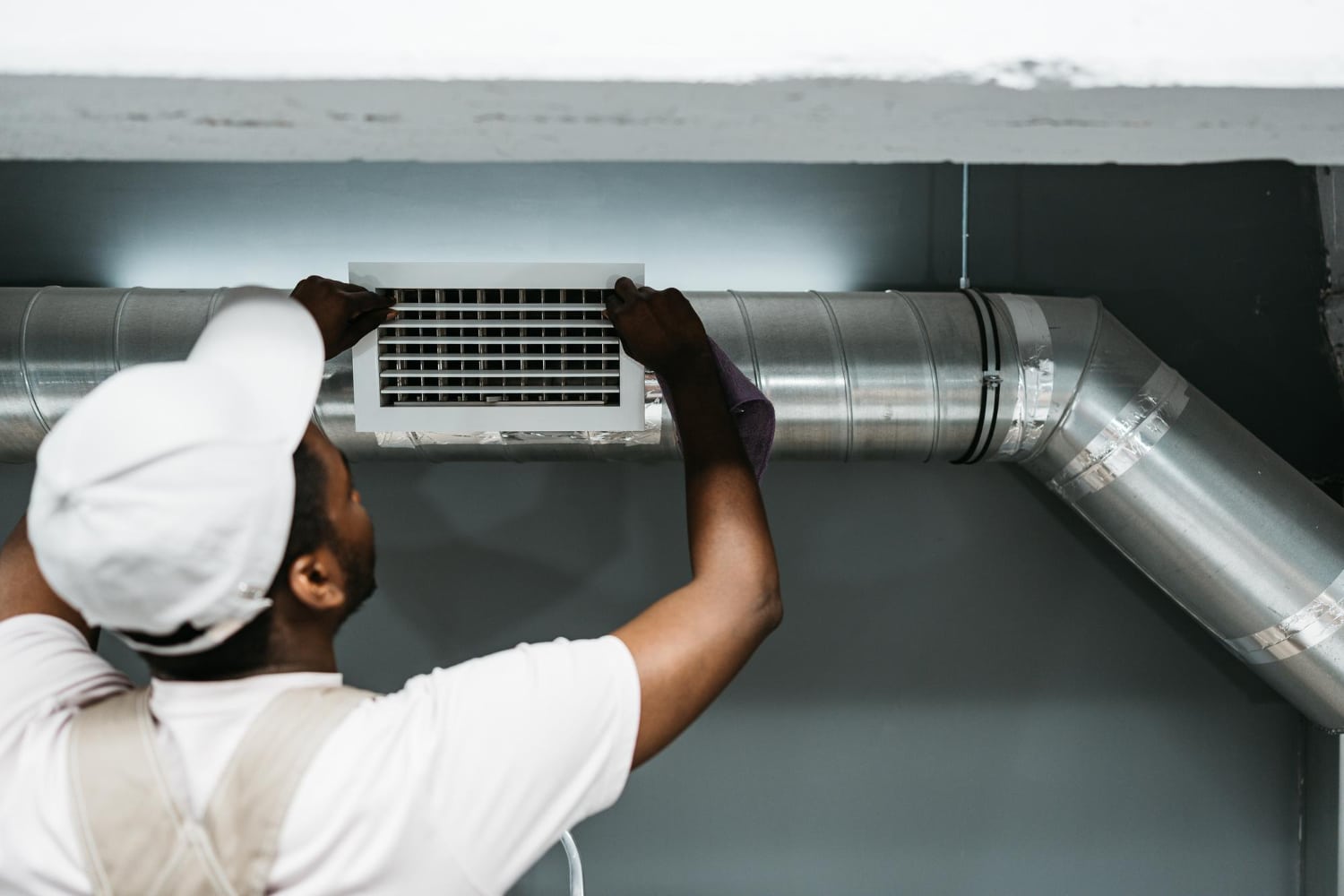
Every good ductwork installation starts with a detailed check of what is already there. That is usually where most homeowners first get a real look at how their current setup is performing. During an in-person inspection, we look at your home’s layout and how the heating and cooling system moves air today.
We check for:
- Damage or disconnects in existing duct sections
- Sizing problems: too small and the system strains, too big and airflow slows down
- Layout issues where air has to pass through too many bends or long distances
This phase also includes checking the insulation around the ducts, especially if they run through a hot attic. Gaps in insulation mean cool air gets lost to the heat before it ever reaches your rooms. After this check, we talk through whether a few repairs will work, or if completely new ductwork makes more sense. This step shapes all the plans that come next.
A big part of this first step is listening to the homeowner to understand which rooms feel too hot or too cold. Sometimes comfort problems are hidden until we ask the right questions. When rooms feel stuffy or temperature differences are obvious, that’s a sign there might be air balancing problems or leaks somewhere.
The Installation Step-by-Step Process
Installation begins with prep and layout planning. If old ductwork needs to be removed, we do that before setting anything new in place. From there, we use home measurements to create a layout that balances airflow across different rooms.
We use the most common types of duct materials for Florida homes:
- Flexible ductwork, which bends around tight attic spaces
- Metal ducts, which work well for long, straight lines with high airflow
Flexible ductwork is especially useful in places where space is tight, like older attics or homes with low ceilings. Metal ducts, on the other hand, can be perfect for moving a lot of air through long, open stretches, keeping air moving quickly and efficiently.
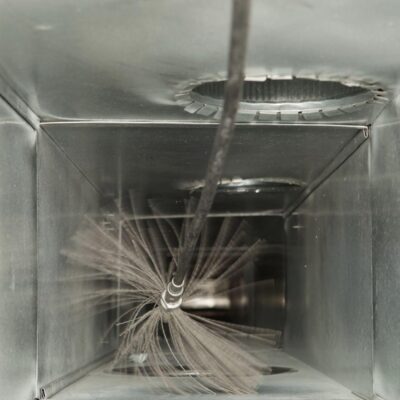
As we install each section, we make sure that joints and seams are sealed tight. This helps avoid air leaks and keeps indoor air quality clean. Sealing each connection also helps make sure there are no drafts where unwanted air escapes, and it keeps dust and pollen from sneaking in. After all the pieces are fitted, we run a full airflow test. That is how we double-check that the air is moving correctly, without blockages or waste. This last step is just as important as the layout itself and can affect how well your system runs for years to come.
Once everything is tested and running, we walk through the setup with the homeowner. This way, you know how air will move in the house and where vents are located, making it easier to spot signs of trouble later on.
What Homeowners Can Expect During and After Installation
During the job, we will often need access to attics, garage ceilings, or crawl spaces. That might mean moving a few things or walking through options if space is tight. Install times vary depending on how much needs to be changed or rebuilt, but most projects stay within one to three days.
We do our best to respect your space while working, but there may be some extra dust or a little bit of noise in the area as old ductwork is taken out and new lines are put in. Most of the time, you can stay at home while the team works, and we will keep you updated at every step.
Once the system is in place, most homeowners feel the difference quickly:
- More even temperatures from room to room
- Shorter AC run times, especially on warmer days
- Less indoor humidity, with better airflow overall
It’s not just comfort, either. When air moves the right way, it often means less dust settling on furniture and fewer musty smells, especially in rooms that had weak airflow before.
After the install, it is helpful to think about long-term care. Keeping ducts clean, checking filters on schedule, and doing basic HVAC maintenance keeps the system running well. New ductwork can stay in good shape for years if it is not stressed or ignored. We also recommend having us check it seasonally, especially before summer when daily use spikes.
When filters are changed on time and ducts are checked on a regular schedule, it also helps your HVAC last longer. These small steps can prevent bigger problems and save time and money in the long run, all while keeping your air fresher and more comfortable.
A Smarter Path to Better Airflow and Comfort
Homeowners in Ellenton, Riverview, or Apollo Beach know how fast things heat up in late spring. Getting your home ready before the weather turns fully hot makes a noticeable difference in comfort and peace of mind.
Knowing each part of the ductwork installation process, from the early inspection to the final airflow test, helps you know what to expect and what to ask about. Smart planning now means fewer surprise repairs later on and better indoor air quality all season long. When it is done right the first time, your HVAC system does more than just cool your house. It actually works the way it should: quietly and evenly, even on the hottest days.
Getting the ductwork right gives you a home that feels comfortable all year. It also makes it easier to spot problems early, so you can keep things running smoothly. This kind of attention can make your whole HVAC system last longer and work more efficiently, saving you headaches in the future.
Ready to enhance your home’s comfort and efficiency? When you choose Air Shield Heating & Cooling, LLC, you’re selecting a partner who ensures seamless airflow and optimized temperature balance throughout your living space. Our expert team specializes in ductwork installation services, guaranteeing that your HVAC system functions at its peak. Contact us today to take the first step toward a more comfortable and energy-efficient home.