
When we think about keeping our homes safe, indoor air often gets overlooked. Most of us spend more time indoors once the weather cools off here in Florida, which means we are breathing a lot of the same air every day. That is where indoor air quality monitoring services come in. These systems help spot problems in the air you might not see, smell, or feel but that still affect your comfort. By tracking things like dust, humidity, and other small particles, monitoring helps take the guesswork out of keeping your indoor air cleaner and healthier. We have seen how helpful it can be, especially during the winter when people shut windows and rely more on their heat pump systems for warmth.
Why Indoor Air Quality Matters in Florida Homes
Florida homes deal with a few unique challenges when it comes to indoor air. Our warm, humid climate helps keep things green outside, but can also make it easier for mold and dust to build up inside. Even during the cooler months, humidity does not completely go away. Add in other indoor sources, like pet dander, cleaning supplies, and cooking fumes, and the air in your home can get crowded with things you do not want to breathe in.
When indoor air starts to feel stale or irritating, it often shows up in small ways. Someone in the house might be sneezing more often or waking up with a scratchy throat. Rooms may start to feel stuffy, or you might notice bits of dust collecting faster than usual. These are clues that your HVAC system might be circulating air that is not as clean or balanced as it could be.
Here in places like Palmetto, Florida, we do not have to worry about snow or freezing weather, but that does not mean indoor air is always as fresh as it should be. Closing up the house to stay warm can lock in moisture and particles, making it even more important to know what is in the air and how to manage it. Following EPA indoor air quality guidelines can help homeowners think through what might be hiding in their air supply.
What Indoor Air Quality Monitoring Does
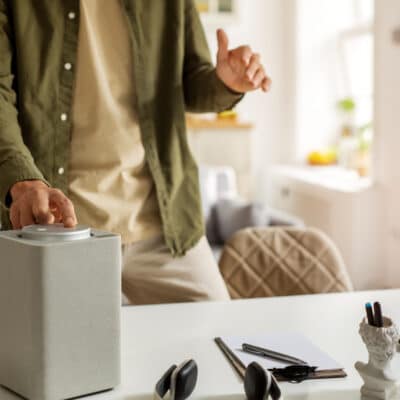
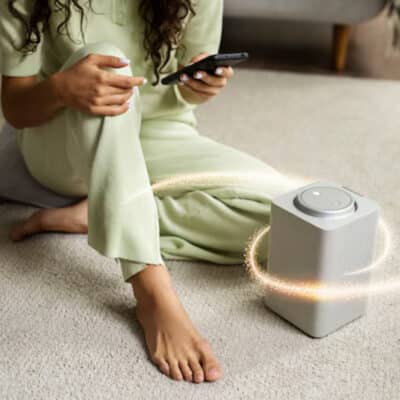
Indoor air quality monitoring services give us a clear sense of what is happening in our homes. These systems are built to watch for changes in air cleanliness and help catch problems early. Most monitors can track levels of dust, carbon dioxide, humidity, and even tiny pollutants that float through the air without us noticing.
What we like about modern monitors is the detail they give. Instead of guessing, we can check real numbers. If the humidity is too high, that might point to mold risks. If carbon dioxide levels spike, it could be a sign of poor airflow, especially in tighter spaces. And if dust or other particles are rising, it may be time to clean or adjust your HVAC system. Staying alert to these changes makes it easier to address issues before they get out of hand, helping your family breathe easier during every season.
There are two main types of monitoring setups.
• Some are add-ons that connect directly to your HVAC system and give long-term readings you can check anytime.
• Others are standalone units you place around the house. Either type adds another layer of awareness, helping you know when something is off even before it feels that way.
A benefit of monitoring is that it turns something invisible into something you can measure and track. This is handy for families with allergies or kids, since little changes in air quality can affect comfort. Being able to respond quickly means you can tackle small problems and make adjustments so air stays fresh.
Signs Your Home Might Need Indoor Air Help
Sometimes, we do not realize the air in our home needs attention until it starts to affect how we feel. There are a few signs that might mean your air quality is not where it should be:
• Strong smells that hang around, like mustiness or cooking odors that do not clear
• Constant dust settling on surfaces, even after cleaning
• People in the house are getting stuffy noses, watery eyes, or dry throats
• Hot or humid spots in certain rooms, while others feel normal
• A general sense of heaviness in the air, especially in closed-off rooms
If your home shows more than one of these signs, it may be time to take a closer look. Monitoring helps confirm what is going on and points us in the right direction to fix it. It takes the guesswork out of whether your HVAC system is working in harmony with your home’s airflow and air quality needs. Spotting these little clues early can make a big difference, since indoor air problems often build up over time rather than all at once.
Sometimes, even after you clean regularly, you might find dust keeps coming back or certain rooms just never feel comfortable. These are hints that air in the home is not moving as it should and that there might be unseen particles building up. Checking in with air quality monitors will give you an answer instead of leaving you to wonder. That gives you peace of mind and a solid step toward making sure your family stays comfortable.
How Monitoring Ties Into a Full HVAC Strategy
Keeping indoor air healthy is not just about one device or one quick fix. It is about knowing how all the pieces of your home’s HVAC system work together. Monitoring plays a part in that bigger picture. If we know what is in the air, we can make smarter choices about how to manage it.
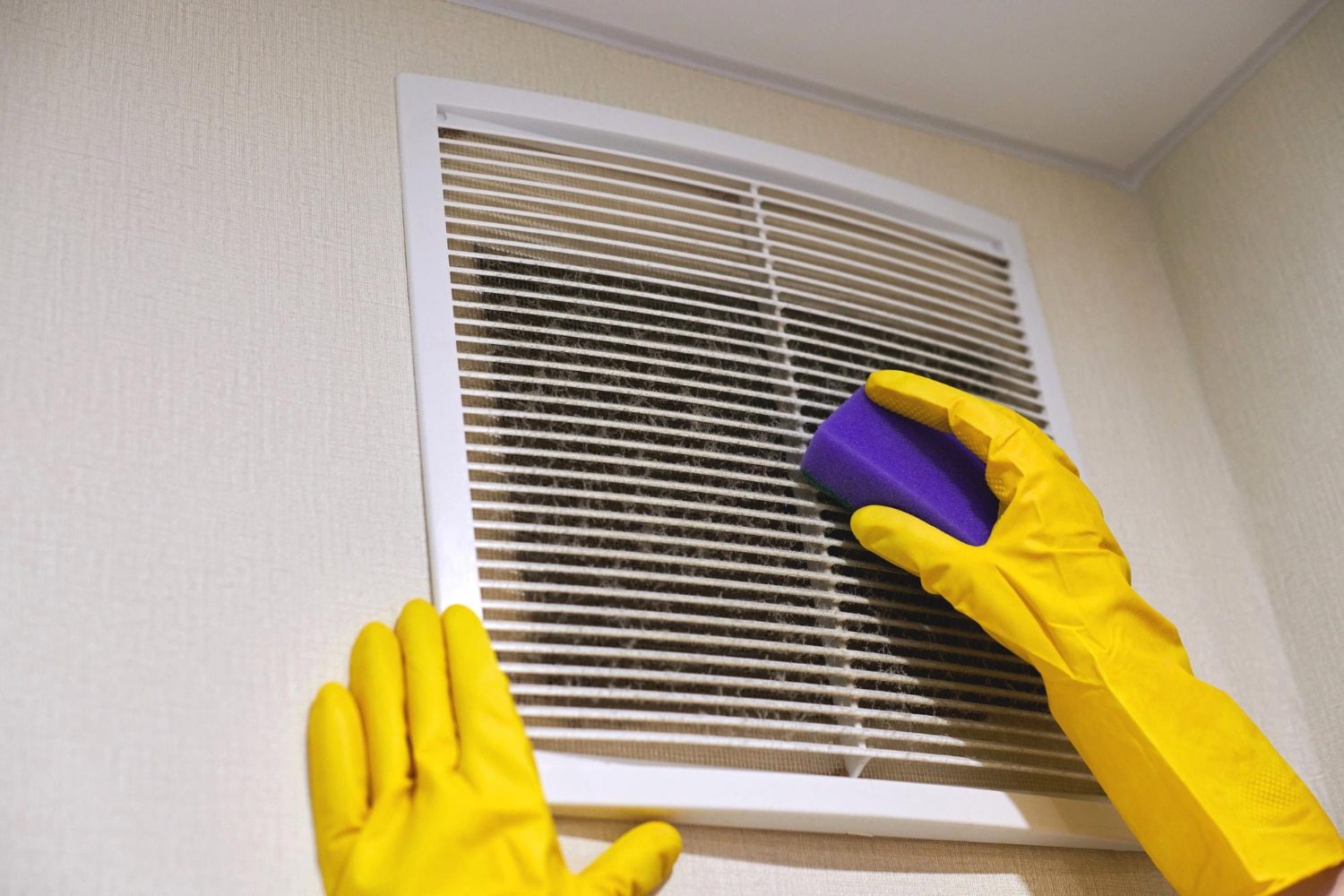
For example, if a monitor shows rising humidity, that is a sign to check ductwork, filters, or moisture sources around the house. If dust levels climb, it may be time to clean the ducts or replace AC filters. Monitoring connects directly with your HVAC system’s efforts by helping it do its job better, not harder.
It also connects with broader solutions like whole-house ventilation systems, especially in sealed-up homes during cooler seasons. These help cycle in fresh air and push out older air, improving comfort all across the house.
We find monitoring extra helpful during Florida’s winter months, when people rely on heat pumps and tend to close windows more often. That seasonal change makes airflow patterns shift, and without fresh air coming from outside, anything inside tends to linger longer. Monitoring creates a simple feedback loop so we can keep adjusting and make sure your air stays fresh all season long. Your HVAC system works best when you know what it needs. By staying updated with monitoring, you can adjust quickly and avoid problems with stale air or buildup, making your home feel better for everyone.
If you have pets, live in a coastal area, or have family members with allergies, monitoring is especially helpful. It lets you take action before small problems become big concerns. This keeps everyone healthier while also helping your HVAC system last longer and work more smoothly.
Breathe Better All Season Long
We cannot always see or smell what is going on in our indoor air, but that does not mean it does not have an impact. Quiet, hidden problems can build up over time, especially in cooler months when we seal up our homes and run the heat. Monitoring helps shine a light on those hidden issues, giving us a clearer look at what our families are really breathing in.
For homes across Florida, air quality matters. When the air feels clean and balanced, everything else feels easier: breathing, sleeping, and simply feeling better indoors. Keeping track of your home’s air is not about being perfect. It is about keeping your space safe, livable, and comfortable during the seasons when you spend the most time inside.
If you’re concerned about the quality of air you’re breathing in your Florida home this winter, consider taking advantage of indoor air quality monitoring services. These services provide a clear picture of potential air issues, helping you maintain a comfortable and healthy environment for your family. At Air Shield Heating & Cooling, LLC, we specialize in creating cleaner air solutions that let you breathe easier all season long. Don’t wait until small problems turn into big concerns; contact us today to enhance your home’s air quality.