Fall in Florida does not bring the sharp cold that hits other parts of the country, but it does bring relief from the summer heat for a little while. That stretch between late October and early December can still see AC systems running more than many homeowners expect. But when your system starts to slow down or struggle, the question comes up: is it worth fixing again, or is it time to replace it? Knowing what to look for can make the decision much easier.
It might be time to start thinking about air conditioning installation if your system no longer cools like it used to, always needs a repair, or causes your energy bills to spike. Catching the warning signs before winter rolls in gives you the space to plan instead of reacting to a problem when it is too late.
Weak Airflow or Warm Air Coming From Vents
When your AC kicks on, you expect to feel a steady stream of cool air coming from the vents. So if the airflow feels weak or the air is not as cool as it should be, that signals something is not right.
Weak airflow could come from a clogged air filter, but if a new filter does not make a difference, other causes might be at play. Issues inside the ductwork can block the flow of air throughout the house. A failing compressor or damaged blower motor could be the cause too. If your AC is blowing warm air instead of cool, it might be struggling to cool at all.
- Inconsistent or warm airflow can signal bigger problems
- Duct issues, blocked coils, or low refrigerant levels may be involved
- If the same issues come back after each repair, upgrading the system might be the better long-term move
Frequent Repairs or Short Cycling
Some repairs are normal, especially for systems that run most of the year like they do in places like Bradenton, or Palmetto. But when you are calling for service repeatedly, it could mean the system is past its reliable years.
Short cycling is another red flag. That is when your AC starts up, but shuts down quickly before finishing a full cooling cycle. The motor has to keep restarting, which uses more power and puts a heavier load on the system. Over time, all that wear and tear can do more harm than good.
- Short cycling wastes energy and adds stress to the components
- Regular service calls may point to deeper system wear
- Replacing an older unit can stop the pattern before it gets worse
Higher Energy Bills Without Better Cooling
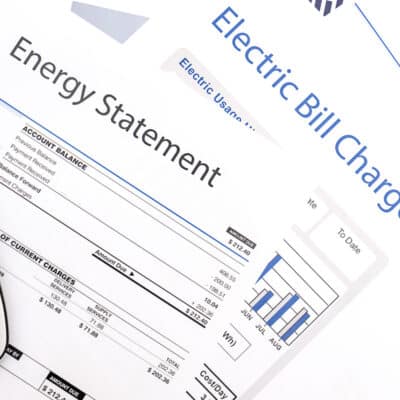
Many people notice that their home does not feel cooler, yet their energy bills keep climbing. If your usage habits have not changed, but your costs keep rising, your AC may be struggling behind the scenes.
At a certain point, old AC systems have to work harder to produce the same results. That is especially true in Florida, where long summers and humid days wear out parts faster. You might not notice the slow decline in performance right away, but your power bill will.
- Rising bills can show up even if your thermostat stays the same
- An aging system often runs more cycles to meet the set temperature
- Upgrading to a newer AC system helps your home cool faster while using less energy
For homeowners comparing repair costs with long-term replacement value, it also helps to look at how much a new HVAC system costs before making a final decision. Understanding the bigger pricing picture can make it easier to choose between another repair and a full system upgrade.
The AC is Over 10 Years Old and Struggles to Keep Up
Like most home systems, AC units have an expected lifespan. In Florida, that window can be shorter than many homeowners think. High heat, salt in the air, and long cooling seasons all take a toll on parts year after year.
If your AC is more than 10 years old and is having a harder time keeping your home comfortable, that is something to pay attention to. You may notice rooms heating up faster in the afternoon or bigger temperature swings between day and night.
- Older units often show slower recovery times after hot afternoons
- Repairs may work short-term, but the full system might be wearing out
- Systems that can no longer hold a steady temperature often need full replacement
What to Expect From a System Evaluation
If your AC is showing signs of stress or poor performance, the next step is a system evaluation by an HVAC technician. A full check lets us spot issues you might not see just by listening or feeling the air around the vents.
An AC evaluation usually includes:
- Looking inside the unit to check coils, filters, and blowers
- Testing refrigerant levels to see if your AC is running low
- Inspecting the ductwork, air handler, and thermostat connections
- Evaluating system age, wear, and noise levels
This inspection gives a clearer idea of whether repairs will solve the problem or if a full air conditioning installation will be more dependable over time.
Stay Ahead Before Cooler Weather Hits
Even when Florida cools down a bit, there is no break for your AC. Whether it is Bradenton or Sun City Center, homes still need to push out humidity and keep steady airflow, especially with heat pumps switching into seasonal balance.
By knowing the signs (like short cycling, warm airflow, frequent repairs, older equipment, or rising bills) you can make smarter choices before things get worse. This is the time of year to take a closer look, before the real stress of seasonal changes begins. A little forward thinking now gives your household more control and fewer surprises later.
Hot Florida weather puts a strain on HVAC systems, and in areas like Parrish and Ruskin where your cooling system works nearly all year, comfort can suffer if your equipment is outdated or needs frequent repairs. When it is time to consider a reliable, lasting solution, we at Air Shield Heating & Cooling can help you determine if an air conditioning installation is right for your home. Contact us today to talk through your options and let us help keep your home cool and comfortable.