Get Your Heating System Ready for Winter in Sarasota, FL
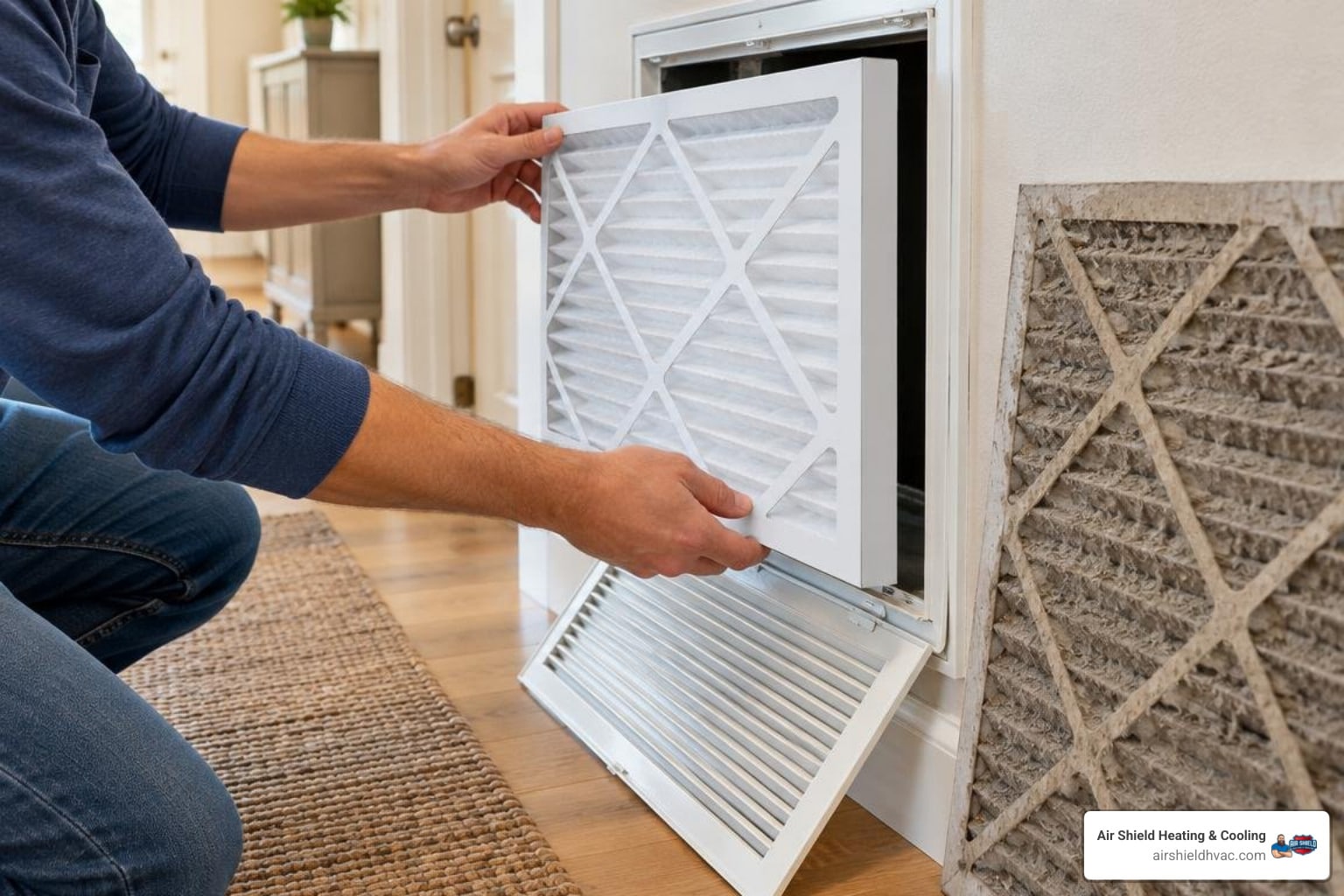
Regular HVAC maintenance starts with a few essential steps: inspecting your air filter, keeping vents and outdoor equipment clear, and testing the heating mode before temperatures dip. Scheduling a professional fall tune-up ensures that your airflow, electrical connections, safety controls, and mechanical heating components operate reliably all winter long.
In Sarasota, FL, heating equipment often sits idle for nine or ten months during the warm season. Testing your heater early allows you to detect subtle mechanical issues before sudden cold weather sweeps across the Gulf Coast. Coastal moisture, elevated humidity, salt-laden sea air, and lingering dust can quietly corrode electrical contacts, seize motor bearings, and coat heating elements during extended summer cooling cycles.
The team at Air Shield Heating & Cooling has served homeowners with heating and AC expertise since 1998. This comprehensive guide explains what regular HVAC maintenance entails, why seasonal inspections are vital along the Florida Suncoast, and which complex tasks require a licensed HVAC technician.
Why Regular HVAC Maintenance Is Vital for Florida Winters
Many homeowners along the Suncoast assume that mild southern winters eliminate the need for heating care. While cooling systems endure heavy continuous use most of the year, our winter cold fronts bring sudden, dramatic temperature drops that place intense mechanical strain on heat pumps and electric heating assemblies. When a heating system sits unused for months in an environment saturated with salt air and high ambient humidity, metal parts corrode, dust blankets electric heating coils, and safety switches can seize.
Prioritizing annual HVAC checkups is the most reliable way to prevent unexpected system failures during unexpected cold snaps. Industry research indicates that proactive preventative care prevents up to 95% of catastrophic HVAC breakdowns. When outdoor temperatures drop into the 40s in Sarasota, FL, you need immediate, reliable heat rather than a tripped electrical breaker, a burning smell, or a frozen heat pump coil.
Winter weather also prompts residents to seal windows and doors, which traps airborne pollutants inside the home. Indoor particulate levels can climb to several times the concentration of outdoor air when ventilation pathways are dirty. Consistent maintenance ensures that filtration assemblies, blower wheels, and internal evaporator coils stay free of microbial growth and debris, maintaining healthy indoor air quality for your family across Bradenton, FL, Lakewood Ranch, FL, and Parrish, FL.
Energy Efficiency and Cost Savings Through Regular HVAC Maintenance
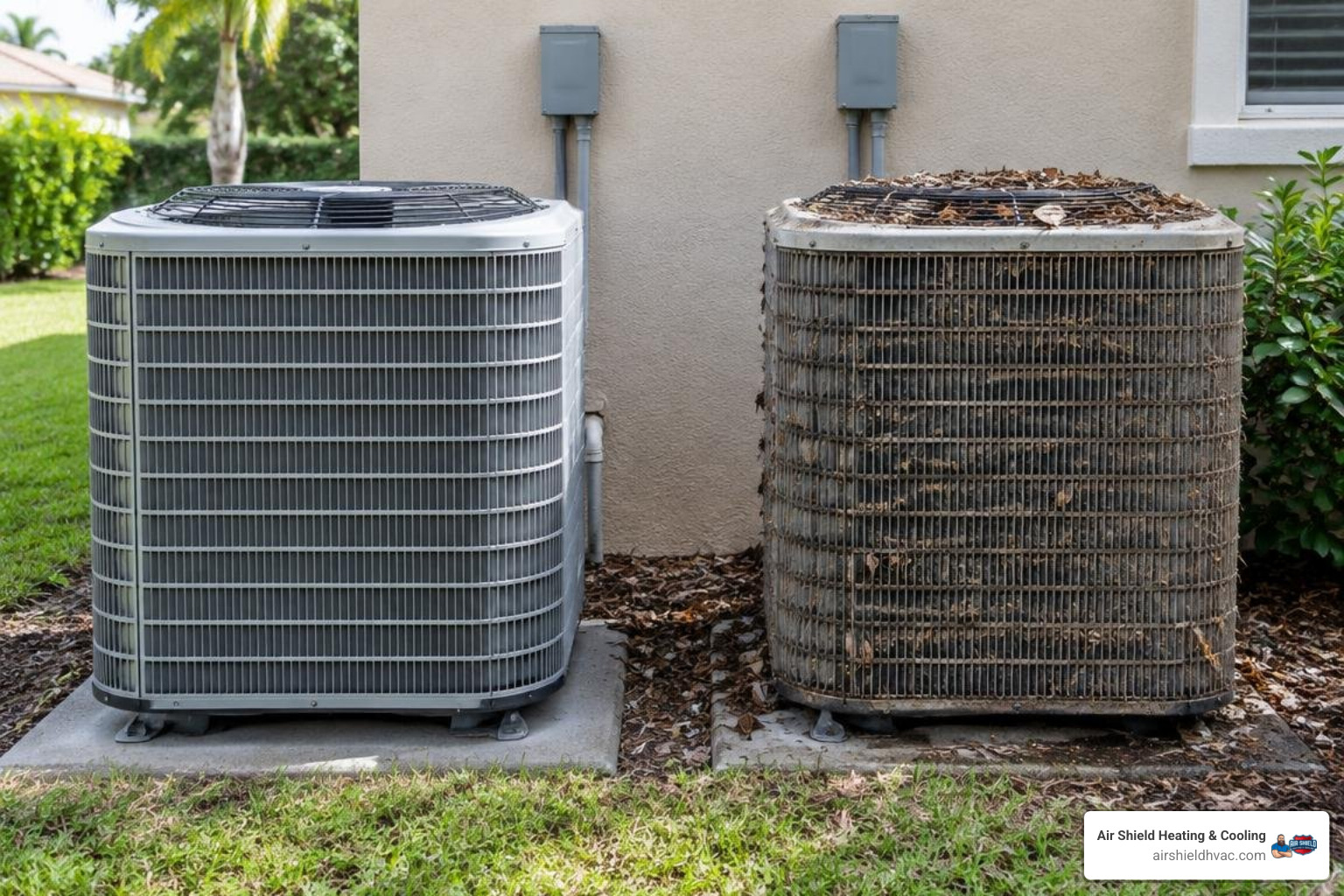
Heating and AC equipment accounts for roughly 40% to 50% of the average home’s total electrical consumption. When internal components accumulate grime or fall out of factory calibration, power demand increases sharply. For example, a dirty outdoor heat pump coil forces the compressor to draw 10% to 20% more electricity to transfer heat into the home.
Restricted airflow caused by clogged media filters or dirty blower fan blades reduces overall system efficiency by up to 15%. According to residential field studies conducted by the U.S. Department of Energy, a professional seasonal tune-up delivers average energy savings of 5% or more. Restoring unrestricted airflow, tightening electrical terminals, and cleaning heat transfer coils eliminates unnecessary utility waste and protects your electrical panel from excessive amperages.
Extending Equipment Lifespan to 15 to 20 Years
A modern HVAC system represents a substantial home investment. Neglected heat pumps operating in coastal environments often experience premature compressor burnout or coil failure within 8 to 10 years. In contrast, equipment supported by consistent preventative maintenance can achieve a reliable operational lifespan of 15 to 20 years.
Routine servicing mitigates wear and tear by keeping contactors clean, lubricating motor bearings, balancing blower assemblies, and verifying refrigerant subcooling levels. This meticulous care is essential for extending your equipment lifespan while keeping factory warranties fully intact. Equipment manufacturers routinely require documented maintenance records from licensed HVAC contractors to honor warranty claims on expensive parts like compressors and coils.
What Comprehensive Heating Maintenance Includes
A complete seasonal heating inspection is a rigorous electrical, mechanical, and thermodynamic evaluation. Certified technicians follow rigorous industry procedures, including the ACCA Standard 4 QM, to inspect every mission-critical system component.
Professional Inspection and Safety Protocols
During a professional heating inspection, our professional heating technicians carry out critical diagnostic steps to safeguard your home:
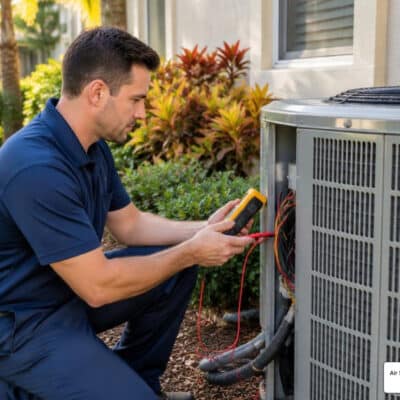
- Electrical Terminal Tightening: Technicians measure operating voltage, test motor run capacitors, inspect contactor points for pitting, and torque wire terminations to prevent high-resistance electrical arcs.
- Safety Control Verification: High-limit thermal switches, emergency shut-off controls, and condensate overflow float switches are tested to verify they will disengage the system during abnormal operating conditions.
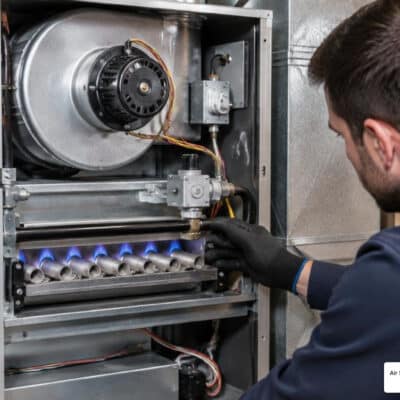
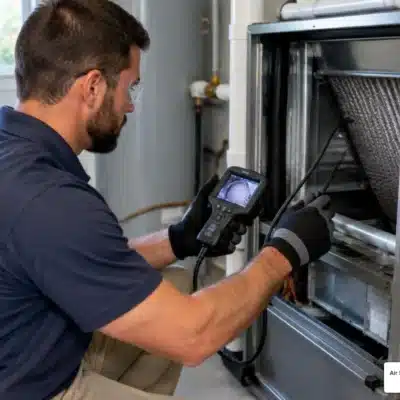
- Combustion and Heat Exchanger Analysis: For gas furnaces or hybrid heating systems, technicians inspect the heat exchanger for hairline metal fractures that could vent carbon monoxide into your living spaces.
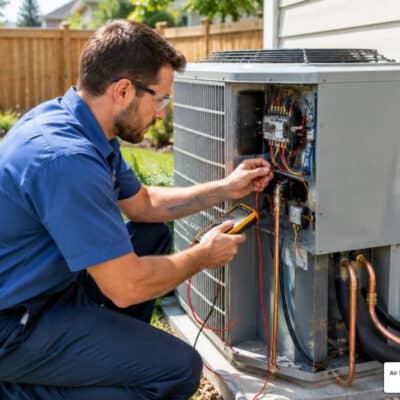
- Reversing Valve and Defrost Operation: For heat pump systems, technicians test the 4-way reversing valve solenoid and electronic defrost boards to ensure smooth transitions from cooling to heating without freezing the outdoor coil.
Core Steps in Regular HVAC Maintenance for Heating Systems
Comprehensive heating service also includes detailed performance tuning and airflow optimization:
- Refrigerant Charge Verification: In heating mode, heat pumps absorb ambient thermal energy from outdoor air. Incorrect refrigerant charge diminishes heat delivery, increases cycle times, and subjects the compressor to severe mechanical strain.
- Auxiliary Electric Heat Strip Testing: Technicians test staged electric strip heaters to confirm that secondary heat energizes properly during extreme cold without pulling excessive electrical current.
- Blower Assembly and Airflow Balancing: Technicians clean dynamic blower wheel blades, inspect drive assemblies, and measure temperature rise across supply and return plenums.
- Condensate Drain Management: Technicians flush drain lines, clean drain pans, clear biological build-up, and test primary and secondary safety float switches.
- Thermostat Calibration: Technicians verify temperature sensor accuracy, evaluate heat anticipator cycles, and calibrate operational staging parameters.
Seasonal Maintenance Schedules and Industry Standards
In Florida, residential AC and heat pump systems run almost year-round. Because cooling equipment operates under heavy load through the summer and transitions into heating during sudden winter cold snaps, industry best practices recommend a bi-annual service schedule. A comprehensive cooling inspection in the spring should be paired with a dedicated heating and safety checkup every fall.
Fall Tune-Up Checklist for Sarasota, FL Homeowners
Before chilly weather reaches Sarasota, FL, Palmetto, FL, and Bradenton, FL, a fall tune-up primes the entire HVAC installation for quick weather shifts. Technicians inspect duct connections for static pressure loss, evaluate insulation integrity around the air handler cabinet, test emergency heat sequences, and remove summer organic debris from the outdoor heat pump cabinet. Scheduling fall tune-up services in Bradenton, FL ensures your system operates at peak safety and efficiency before holiday gatherings and seasonal cold fronts arrive.
Modern Refrigerant Regulations and System Care
The heating and AC industry is undergoing significant technological transitions under federal environmental guidelines, including the EPA AIM Act. Modern heat pumps are transitioning to low-Global Warming Potential (low-GWP) refrigerants. Servicing these modern systems requires specialized digital manifold gauges, calibrated electronic leak detectors, and strict adherence to flammability safety protocols. Certified technicians possess the training and specialized equipment necessary to maintain modern heat pumps in full accordance with environmental regulations.
DIY Upkeep vs. Professional Service
While homeowners play a vital role in everyday system care, there are clear boundaries between basic home upkeep and complex technical service. The table below outlines tasks appropriate for DIY maintenance alongside those that require a licensed professional:
| Maintenance Task | Homeowner DIY | Professional Technician | Recommended Frequency |
|---|---|---|---|
| Air Filter Replacement | Yes | Yes | Inspect monthly, replace every 30 to 90 days |
| Outdoor Cabinet Clearance | Yes | Yes | Clear leaves and cut back shrubs monthly |
| Return Grille Cleaning | Yes | Yes | Vacuum dust every 1 to 2 months |
| Condensate Line Flush | Yes (Vinegar rinse) | Yes (Deep vacuum and clear) | Monthly DIY, bi-annually by technician |
| Electrical Terminal Tightening | No | Yes | Bi-annually during tune-up |
| Refrigerant Leak Detection | No | Yes | Bi-annually during tune-up |
| Heat Strip & Safety Switch Testing | No | Yes | Annually before winter |
| Blower Motor Cleaning | No | Yes | Annually |
Homeowners can maintain steady system airflow by following our Florida DIY maintenance checklist to keep return grilles unobstructed and filters fresh. However, if safety concerns arise, specialized tools are required, HVAC, electrical, plumbing, roofing, or structural systems are involved, or the homeowner is unsure about performing the task correctly, contact a professional technician immediately rather than attempting technical repairs on your own. Handling high-voltage wiring, live capacitors, and pressurized refrigerant lines without professional training creates severe shock hazards, can cause expensive equipment damage, and voids manufacturer warranties.
Warning Signs Your Heating System Needs Immediate Service
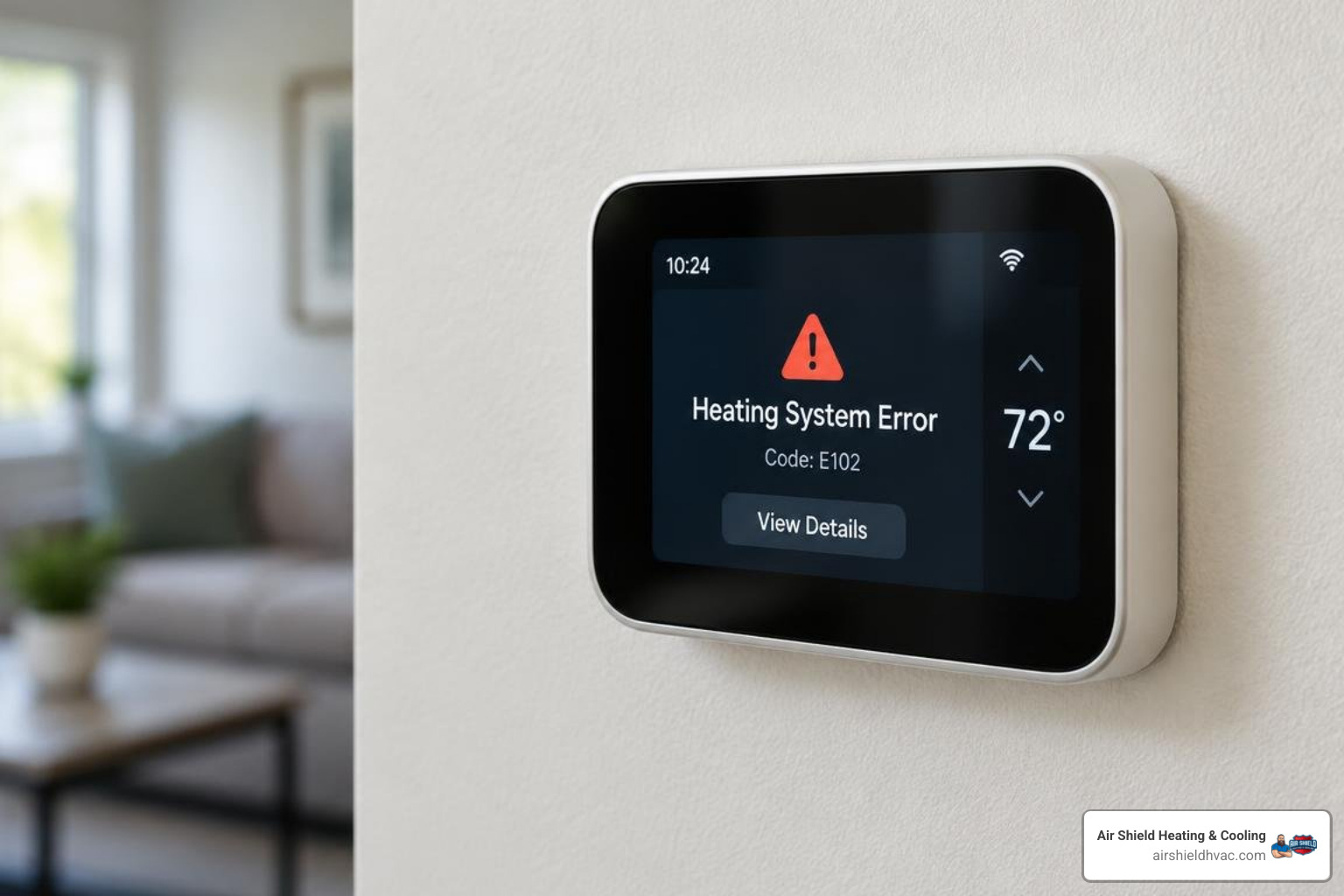
Do not wait for total heating failure during a coastal cold snap. Watch for these common warning signs that indicate your HVAC system needs immediate attention:
- Frequent Short Cycling: If your heater shuts off after running for only two or three minutes without reaching the set temperature, the unit may be tripping high-limit safety switches or suffering from severe airflow blockages.
- Persistent Burning Odors: A slight dusty aroma during the first 15 to 20 minutes of seasonal operation is common as dust burns off electric strip heaters. However, sharp acrid, metallic, or plastic smells that persist indicate overheating wiring, melted insulation, or failing contactors.
- Delayed Starting or Metallic Clanging: Grinding noises, squealing blower motor bearings, or sharp rattles during startup point to loose fan wheels, failing capacitors, or internal compressor wear.
- Uneven Heating Across Rooms: When certain rooms stay cold while others become uncomfortably warm, your system may have ductwork disconnections, malfunctioning zone dampers, or static pressure imbalances.
- Unexpected Utility Spikes: A sharp surge in winter electrical consumption often signals that the heat pump compressor is malfunctioning and forcing the system into expensive emergency auxiliary heat mode.
Homeowners can check basic settings and power switches using practical troubleshooting steps before calling a technician to ensure simple issues like tripped breakers or dead thermostat batteries are not the root cause.
Frequently Asked Questions About Heating and Regular HVAC Maintenance
How often should HVAC maintenance be performed in Sarasota, FL?
In coastal Florida climates, systems run nearly year-round. You should schedule professional service twice per year: a cooling tune-up in the spring and a heating inspection in the fall to combat humidity, salt corrosion, and mechanical wear.
What is included in a professional heating tune-up?
A professional heating service includes testing electrical terminals, checking capacitor ratings, cleaning the blower assembly, verifying the reversing valve, testing auxiliary electric heat strips, measuring airflow, checking refrigerant levels, and testing safety limit switches.
How does skipping maintenance affect manufacturer warranties?
Most equipment manufacturers require documented proof of regular annual maintenance from a licensed contractor to honor warranty claims. Skipping service can void your coverage for major component replacements like compressors and coils.
Can regular HVAC maintenance lower my winter energy bills?
Yes. Routine maintenance eliminates restricted airflow, cleans dirty coils, and ensures heat strips only activate when truly needed, reducing system power consumption by 5% to 20%.
What are the dangers of a cracked heat exchanger or faulty heat strip?
A cracked heat exchanger can release deadly carbon monoxide into your living spaces. Faulty heat strips and loose high-voltage wiring can cause electrical arcing, melted components, and potential house fires.
How often should air filters be changed during the winter months?
Inspect your air filter monthly. In homes with pets, high foot traffic, or family members with allergies, replace standard 1-inch filters every 30 to 60 days, and media filters every 6 to 12 months.
What does annual HVAC maintenance typically cost?
Maintenance plan costs vary depending on system type and service tier, but regular preventative checkups typically pay for themselves by preventing expensive emergency repairs and lowering monthly utility bills.
Why does my heater smell like burning dust when first turned on?
During long periods of disuse, household dust settles on electric heat strips and heat exchangers. When the heater turns on, this dust burns away. The smell should dissipate completely within 20 to 30 minutes.
Is heating maintenance necessary for heat pumps in Florida?
Yes. Heat pumps rely on the same compressor and coils year-round. Fall maintenance ensures the reversing valve transitions smoothly and the outdoor defrost controls work properly to prevent freeze-ups during cold nights.
What should I check before turning on my heating system for the winter?
Inspect your air filter, ensure all supply and return vents are open and unobstructed, clear plants and debris from around your outdoor unit, and set your thermostat to heat mode to test the system before cold weather arrives.
Ensure Winter Comfort With Professional Heating Care in Sarasota, FL
Maintaining your heating and cooling equipment ensures your home remains comfortable during sudden winter cold snaps while keeping utility bills low and protecting equipment longevity. At Air Shield Heating & Cooling, our team has delivered dependable, family-owned service across Sarasota, FL, Bradenton, FL, Lakewood Ranch, FL, Parrish, FL, and nearby communities since 2014. We provide 24/7 emergency response, transparent estimates, veteran discounts, and comprehensive preventative care plans tailored to our coastal Florida climate. Prepare for the next cold snap by contacting our professional heating maintenance technicians at Air Shield Heating & Cooling for prompt, certified service you can trust.