
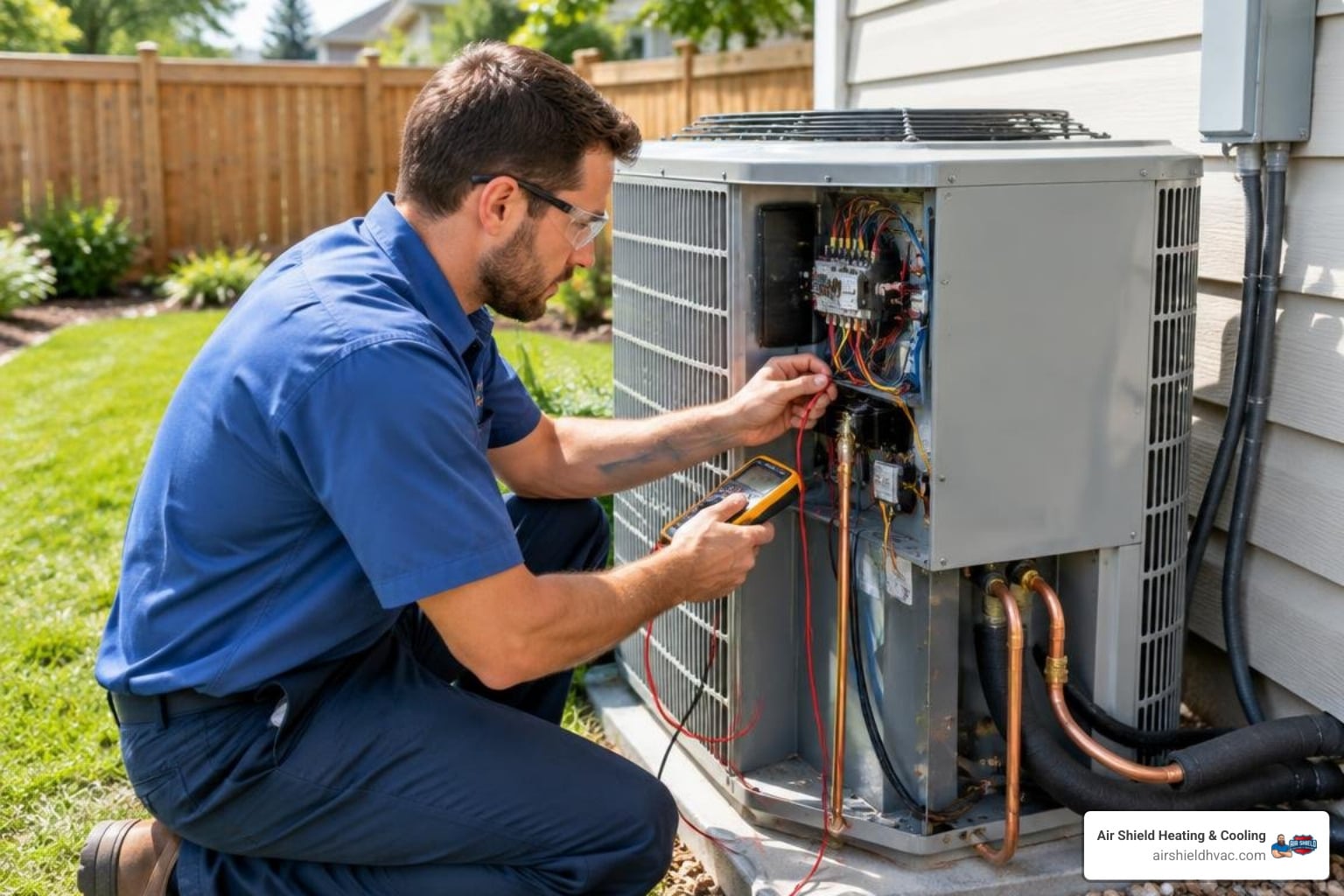
Critical Signs You Need Professional HVAC Heat Pump Repair
A heat pump operates as the workhorse of your home comfort system. Unlike traditional separate heating and cooling setups, this single unit runs continuously across all four seasons. Because of that constant operation, performance issues can develop quietly before turning into complete operational breakdowns. Recognizing the early signs you need heating system repair keeps small component failures from cascading into severe mechanical damage.
One of the most obvious red flags is weak airflow coming from your supply registers. If the air volume feels sluggish regardless of your fan setting, your system may be dealing with a failing indoor blower motor, dirty indoor coils, or ductwork obstructions. Another frequent issue is short cycling, where the system turns on, runs for only two or three minutes, and shuts down abruptly without satisfying the thermostat setting. This rapid starting and stopping places extreme stress on the compressor and quickly wears out critical electrical switches.
You should also pay close attention to unusual sounds. A healthy heat pump produces a steady, low hum during operation. If you begin hearing a metallic buzzing, clicking on startup, screeching, or loud groaning, internal parts are under strain. Electrical buzzing often points to a failing contactor relay or a degrading capacitor, while clanking sounds indicate mechanical interference near the fan blades or motor bearings.
Finally, unexpected spikes in your monthly power bills almost always point to mechanical inefficiency. When internal parts degrade, the system runs longer cycles and draws significantly higher electrical amperage to deliver the same indoor comfort.
Stuck Modes and Blowing the Wrong Temperature
Because a heat pump provides both air conditioning and heating, it relies on specialized internal valving to direct thermal energy. When the system suddenly blows cool air during a chilly morning or warm air during a humid afternoon, a communication or refrigerant routing failure is usually responsible.
A primary culprit is a failed reversing valve. If the internal slide mechanism sticks or the pilot solenoid loses electrical power, the system becomes locked into whichever operating mode it was previously using. Thermostat miscalibration or damaged low-voltage control wiring can also send conflicting signals to the outdoor unit. In these scenarios, homeowners frequently wonder why their heat pump struggles to warm the home properly. Without correct mode switching, the equipment cannot harvest outdoor heat or reject indoor heat effectively.
Outdoor Coil Icing and Defrost Board Malfunctions
Seeing a light layer of morning frost on the outdoor cabinet during cold weather can be part of regular operation, but solid sheets of ice are a clear warning sign. When moisture in the air condenses onto the freezing outdoor coil, the equipment must periodically enter a self-defrost cycle to melt that frost away.
If the outdoor coil becomes encased in thick ice, the unit cannot absorb heat from the ambient air. This issue typically stems from a malfunctioning defrost control board, a faulty defrost temperature sensor, or restricted airflow around the outdoor cabinet. When the defrost board fails to switch the unit into its temporary reverse cycle, the ice accumulates rapidly, crushing delicate aluminum fins and potentially causing catastrophic compressor freeze-ups.
Common Causes Behind Heat Pump Failures in Coastal Florida
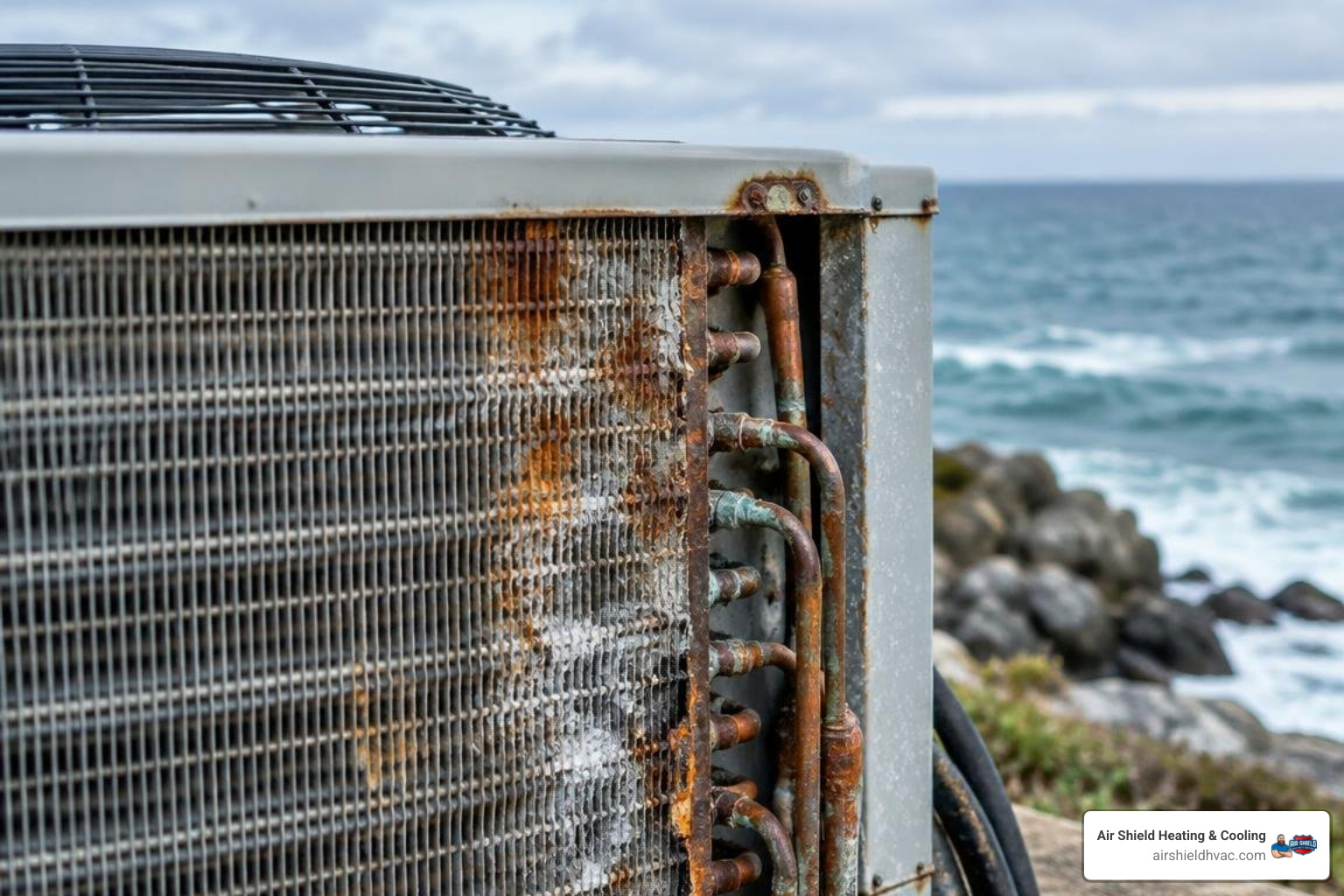
Operating a heat pump in coastal environments presents unique challenges that standard inland systems rarely face. High humidity, intense ultraviolet exposure, and salty coastal breezes create severe operating conditions. Over time, salt air accelerates corrosion along the copper tubing and aluminum fins of the outdoor condenser coil. This galvanic corrosion thins the metal, ultimately causing pinhole refrigerant leaks that drop system pressure and diminish cooling and heating capacity.
Addressing these regional factors requires specialized heating system repair in Sarasota, FL that accounts for coastal wear. Salt buildup on outdoor electrical connections can cause premature arcing, wire degradation, and terminal failure. Certified technicians follow strict regional building codes and industry standards established by ACCA to ensure all high-voltage connections, grounding rods, and line sets remain thoroughly sealed against harsh outdoor elements.
How HVAC Heat Pump Repair Diagnoses Reversing Valve Failures
The reversing valve is an electrically actuated four-way valve that serves as the directional brain of your heat pump. When you switch your thermostat from cooling to heating, a low-voltage electrical signal energizes an external solenoid coil. This creates a pressure shift inside the valve body, sliding an internal brass mechanism that completely reverses the direction of the high-pressure refrigerant flow.
During HVAC heat pump repair, diagnosing this complex component requires precision:
- Technicians measure the electrical voltage reaching the reversing valve solenoid coil to confirm it receives continuous low-voltage control power.
- Technicians check the magnetic pull of the solenoid to verify mechanical activation.
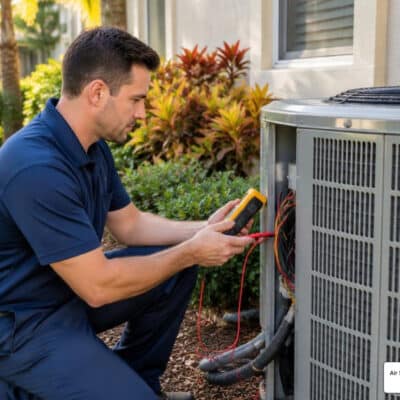
- Technicians take surface temperature measurements across all four copper ports using calibrated digital pipe clamps. A significant temperature bleed between the discharge line and suction line indicates that the internal slide valve is partially stuck, allowing hot refrigerant gas to leak directly back into the intake.
- Technicians test high-side and low-side operating pressures to verify proper refrigerant distribution across the refrigeration cycle.
Electrical and Compressor Complications
Electrical breakdowns account for a substantial percentage of all service calls. The outdoor unit depends on run capacitors to deliver the extra voltage required to spin the compressor and fan motors. Over years of intense heat and daily cycling, capacitors lose their microfarad storage capacity, bulging at the top terminals and causing motors to overheat.
Contactor relays also suffer from electrical arcing. Every time the contactor pulls in to start the system, a small electrical spark occurs across the contact points. Over time, this creates severe pitting and carbon buildup, which can cause the contacts to weld shut or fail to pass current altogether. When these issues are neglected, the compressor experiences “hard starting,” drawing excessive amperage that trips circuit breakers and can lead to complete motor burnout. In situations where your system loses power entirely during extreme temperatures, getting rapid emergency AC repair prevents further damage to sensitive electronic components.
Professional Diagnostic and Restoration Process
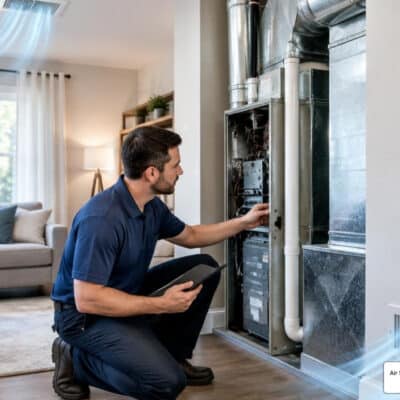
Professional heat pump troubleshooting requires systematic investigation rather than guesswork. When a certified technician arrives at your home, the diagnostic process follows rigorous mechanical and electrical protocols to pinpoint the exact failure point.
A standard diagnostic visit includes the following steps:
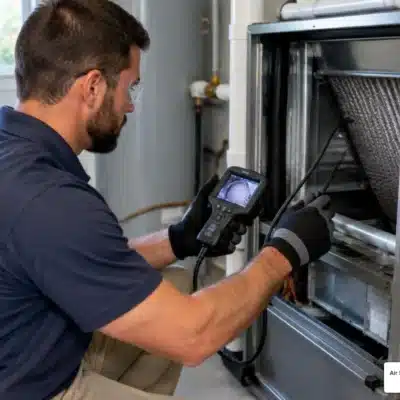
- Performing a comprehensive visual inspection of indoor and outdoor coils, electrical disconnects, and blower assemblies.
- Testing line voltage and control voltage across contactors, transformers, and electronic control boards.
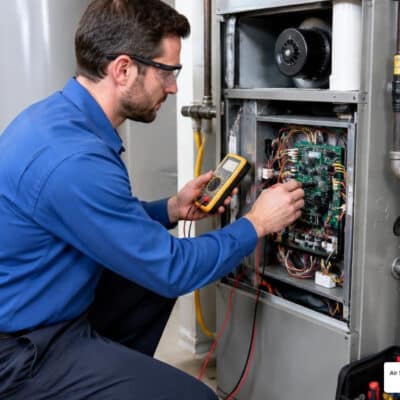
- Load-testing run and start capacitors with a digital multimeter to measure microfarad ratings against manufacturer specifications.
- Connecting digital refrigerant manifold gauges to calculate exact superheat and subcooling levels.
- Inspecting the reversing valve and defrost control board through manual cycling.
- Measuring external static air pressure inside supply and return plenums to verify proper ductwork airflow.
- Evaluating thermal output using calibrated digital thermometers at indoor supply registers.
Utilizing comprehensive HVAC services guarantees that underlying airflow restrictions, refrigerant imbalances, and electrical faults are fully corrected in a single visit.
Average Costs and Timeline for HVAC Heat Pump Repair
The overall cost and timeline for restoring a heat pump depend entirely on the specific components involved, the age of the unit, and the accessibility of replacement parts. Minor electrical fixes, such as replacing a worn contactor or a weak run capacitor, can often be completed on the same day during the initial service visit because service vehicles carry standard universal electrical inventory.
More complex repairs, such as replacing a seized outdoor fan motor, repairing an active refrigerant leak, or rebuilding a frozen reversing valve, require specialized labor and system recovery procedures. When opening the sealed refrigeration circuit, a technician must safely recover the existing refrigerant, braze in the replacement component using nitrogen purge techniques, pull a deep vacuum to remove moisture, and recharge the system by weight. Transparent diagnostic reporting ensures you receive a clear explanation of all necessary work before repairs begin.
Emergency Heat Mode vs. Normal Operation
Modern heat pump systems feature an emergency heat (or auxiliary heat) setting on the thermostat. This setting activates supplemental electric resistance heat strips located inside the indoor air handler cabinet. These electric strips operate much like a giant toaster, heating the air directly with high-voltage resistance coils.
Emergency heat is designed strictly as a temporary backup for situations where the outdoor heat pump has suffered a mechanical failure during cold weather. Running electric resistance heat requires a massive amount of electrical power compared to the standard heat pump cycle. If you leave emergency heat running continuously, your utility bills will increase dramatically. You should only engage this mode while awaiting professional service to keep your home safe from uncomfortably cold indoor temperatures.
Repair vs. Replacement: Making the Right Decision
Deciding whether to continue repairing an aging heat pump or invest in a modern replacement is a common dilemma for homeowners. A well-maintained heat pump typically provides an operating lifespan of 12 to 15 years. However, in regions with heavy cooling demands and coastal salt exposure, equipment often begins showing serious wear around the 10 to 12 year mark.
| Evaluation Metric | Pursue Professional Repair | Invest in System Replacement |
|---|---|---|
| Equipment Age | Under 10 years old | Over 10 to 12 years old |
| Repair Cost Factor | Cost is under 50% of system value | Repair exceeds 50% of system value |
| Refrigerant Type | Current standard refrigerants | Phased-out or obsolete refrigerants |
| Energy Consumption | Stable, normal power bills | Steady, unexplained bill increases |
| Operating Reliability | Infrequent, isolated minor issues | Multiple major breakdowns per season |
| Comfort Consistency | Even temperatures throughout home | Hot and cold spots, humidity issues |
A reliable guideline in the HVAC industry is the 50 percent rule. If the estimated repair cost approaches 50 percent of the value of a new system, and your unit is already past its tenth year of service, upgrading with a new heat pump installation is generally the smarter financial choice. Modern high-efficiency systems deliver significantly better seasonal energy efficiency ratings, reducing monthly operating costs while providing superior indoor humidity control. Additionally, federal tax credits and regional energy efficiency rebates can help offset the initial investment of a modern heat pump upgrade.
The Value of Preventative Maintenance
The most effective way to avoid emergency breakdowns and extend the operating life of your heat pump is through structured, regular maintenance. Because your heat pump runs throughout both summer and winter, it accumulates double the operating hours of standalone furnace or air conditioning systems.
Scheduling proactive heating maintenance ensures that critical maintenance tasks are handled before minor wear leads to component failure. During a comprehensive maintenance visit, a technician thoroughly cleans the indoor and outdoor coils, flushes the condensate drain line, tightens all electrical wire connections, lubricates motor bearings, and verifies exact refrigerant pressures. This routine care preserves energy efficiency, prevents sudden mode-switching failures, and protects manufacturer warranty coverage.
Frequently Asked Questions About Heat Pump Repair in Sarasota, FL
What are the most common heat pump problems and their typical causes?
The most frequent heat pump issues include weak airflow from dirty filters or failing blower motors, loss of heating or cooling capacity caused by refrigerant leaks, mode switching failures due to stuck reversing valves, and electrical shutdowns triggered by worn run capacitors or pitted contactor switches.
Why is my heat pump blowing cold air in heat mode?
A heat pump may blow cool air during heating mode if the reversing valve is stuck in cooling position, the outdoor unit has entered a temporary defrost cycle, the thermostat wiring is faulty, or the system has lost refrigerant charge, preventing proper heat absorption from outside air.
Is it normal for the outdoor heat pump unit to ice up?
A light frost on the outdoor cabinet can occur during cold conditions, but heavy, thick sheets of ice are not normal. Heavy icing indicates restricted airflow, low refrigerant levels, a failed defrost control board, or a malfunctioning defrost temperature sensor requiring service.
What is the typical cost range for heat pump repairs in Sarasota, FL?
Repair costs vary based on the specific component, system age, and labor required. Minor electrical component repairs such as capacitors or contactors are relatively straightforward, whereas major repairs involving refrigerant line brazing, compressor replacement, or reversing valves require more extensive diagnostic labor and materials.
How long do heat pumps typically last in Florida?
With regular preventative maintenance, a heat pump typically lasts between 12 and 15 years. However, in coastal areas with high humidity and salt exposure, systems that do not receive routine coil cleaning and maintenance may begin experiencing significant component degradation closer to 10 to 12 years.
How can I tell if my heat pump needs repair or replacement?
If your system is under 10 years old and the repair cost is reasonable, repairing the unit is generally best. If the heat pump is older than 10 to 12 years, requires frequent service calls, uses obsolete refrigerant, or faces a repair quote exceeding 50 percent of a new system cost, replacement is more economical.
What are the signs that my heat pump needs emergency repair?
Emergency warning signs include loud electrical buzzing or metal grinding noises, electrical burning odors coming from vents, a constantly tripping circuit breaker, total loss of cooling during extreme heat, or a compressor that refuses to start while humming loudly.
Can a heat pump be repaired in the middle of winter?
Yes, professional HVAC technicians can repair heat pumps during the winter season. Technicians carry replacement electrical parts, universal controls, and diagnostic equipment to troubleshoot reversing valves, defrost controls, and heating circuits to restore home comfort quickly.
What rebates or incentives are available for heat pump replacement?
Homeowners replacing older heat pumps with qualifying high-efficiency systems can often take advantage of federal energy efficiency tax credits under Section 25C, as well as local electric utility rebates designed to incentivize energy-saving heat pump upgrades.
How does a professional heat pump diagnostic process work?
A professional diagnostic visit involves inspecting indoor and outdoor coils, testing electrical safety switches, measuring operating voltages and capacitor microfarads, checking static air pressure, testing reversing valve operation, and using digital gauges to calculate exact refrigerant superheat and subcooling.
Conclusion: Restoring Year-Round Comfort in Sarasota, FL
Living along Florida’s Gulf Coast means depending on your heat pump every day of the year. From keeping your home cool and dehumidified during long summer afternoons to delivering steady warmth during chilly winter mornings, your system must operate at peak reliability. Paying attention to subtle warning signs such as reduced airflow, strange noises, icing, and sluggish mode switching allows you to address mechanical wear before it causes major system disruptions.
When your system shows signs of performance loss or electrical failure, relying on a licensed local expert ensures your equipment is serviced safely and accurately. Air Shield Heating & Cooling delivers dependable diagnostic solutions, transparent communication, and 24/7 emergency service across Sarasota, FL, Bradenton, FL, Lakewood Ranch, FL, Palmetto, FL, Venice, FL, and surrounding communities. Protect your comfort and contact our professional heat pump repair technicians with our experienced team today.