
Ductless Mini-Split Installation in Parrish, FL: Where to Start
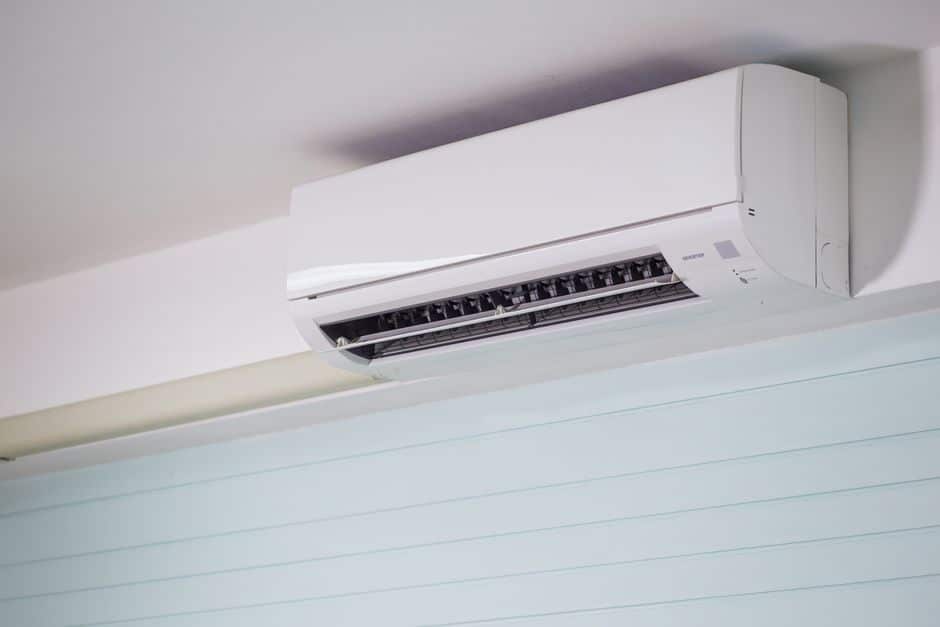
Ductless mini-split installation in Parrish, FL, can be a practical way to cool a room your existing HVAC system struggles to reach without adding ductwork. Start with a room-by-room load calculation, then have an HVAC professional plan the unit locations, electrical connection, and condensate drainage. A single-zone installation often takes one day; a multi-zone system may take longer.
In Parrish’s hot, humid climate, sizing matters as much as equipment choice. An oversized system may cool the room quickly without removing enough moisture.
The Air Shield Heating & Cooling team brings decades of HVAC experience to the ductless mini-split installation options Parrish homeowners are considering, beginning with the needs of each room.
Benefits of Ductless Mini-Split Installation in Parrish, FL
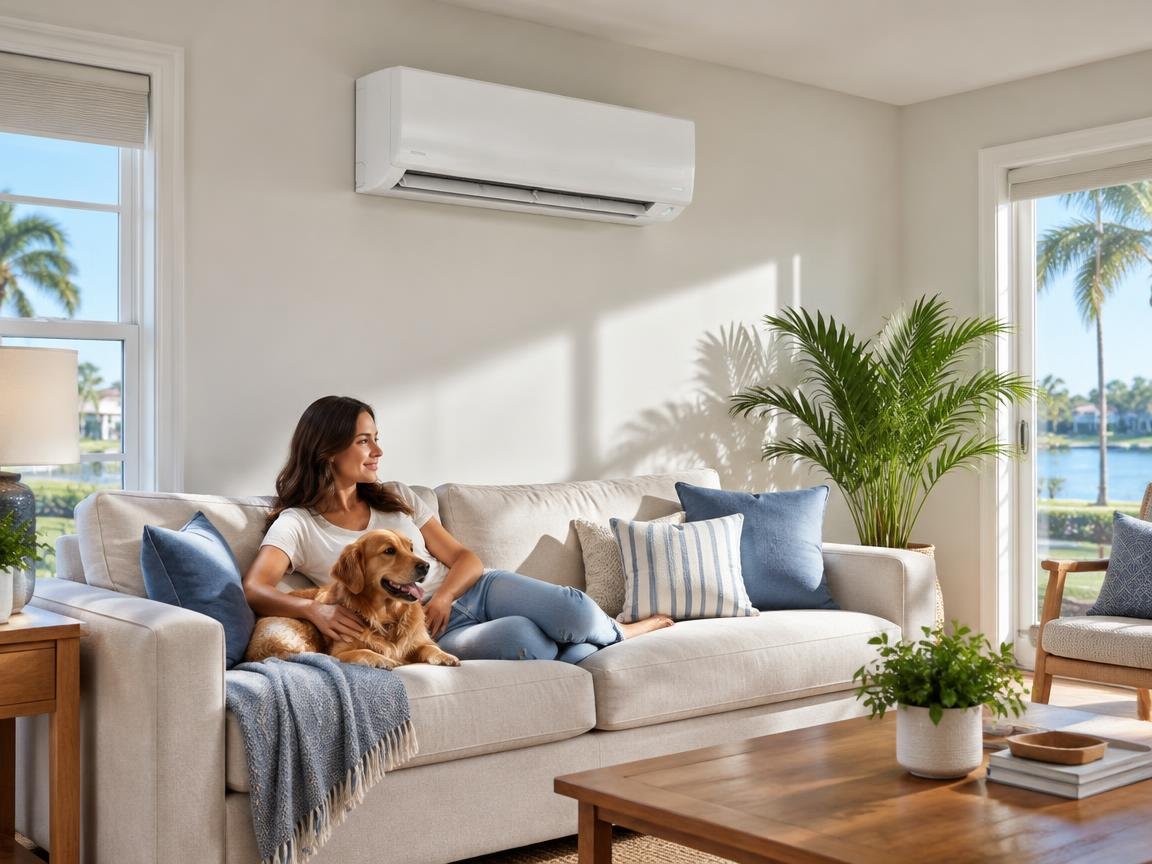
Living in Manatee County means dealing with prolonged summer heat, persistent humidity, and high electric bills. One of the biggest reasons homeowners explore energy-efficient ductless mini-splits for homes is pure efficiency. Traditional central AC systems rely on extensive duct networks hidden in attics. In our Florida climate, attic temperatures frequently surpass 120 degrees in the peak of summer. Standard ductwork can lose 20% to 30% of conditioned air through small seams, unsealed joints, and conduction before it ever reaches your living room. Ductless systems deliver cool air directly into the room, entirely eliminating duct losses.
By switching from outdated window units or inefficient cooling setups, many homeowners see their cooling energy costs drop by 25% to 40%. Mini-splits rely on variable-speed inverter compressor technology. Instead of running at full blast and shutting down abruptly like a conventional single-stage compressor, the inverter motor speeds up or slows down smoothly to match the exact cooling demand. This continuous, low-speed operation keeps room temperatures remarkably steady, typically within two degrees of your setpoint.
Another major benefit is acoustic comfort. Traditional indoor air handlers can roar to life, drowning out conversations or your television. In contrast, ductless indoor units operate between 19 and 25 decibels on low speed, which is quieter than a whisper in a library. Outdoor condensers are equally quiet, keeping your patio and backyard spaces peaceful.
Because mini-splits pull heavy moisture from our humid air, maintaining the drain components is crucial. Keeping lines clean and preventing AC drain line clogs ensures uninterrupted operation without water backing up into your interior walls. According to the U.S. Department of Energy, air-source heat pumps provide efficient heating and cooling by moving heat rather than generating it, making them an ideal match for our coastal climate.
Room Additions, Converted Garages, and Sunrooms
Many properties throughout Parrish, FL, Palmetto, FL, and Lakewood Ranch, FL, feature home additions, converted two-car garages, enclosed lanais, or detached workshops. Tapping into your existing central system for these extra spaces is often a mistake. Central systems are sized precisely for the original home square footage. Forcing an existing central AC to condition an extra 400 square feet causes the main unit to struggle, leading to elevated humidity and premature wear.
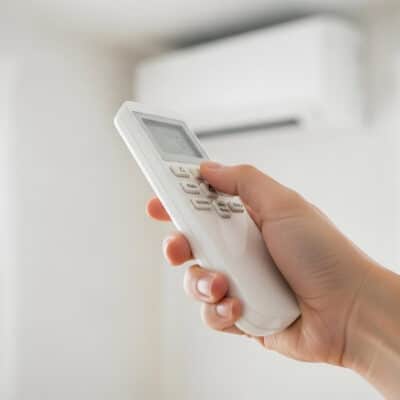
Ductless mini-splits offer targeted spot cooling without requiring major renovations or tearing open drywall to install bulky sheet metal. Smart cooling strategies for ductless mini-split systems allow you to manage each space with an independent thermostat or handheld remote. If you convert a garage into a home gym or a home office, you can cool that zone during the day while leaving unoccupied guest rooms at a higher baseline temperature, saving energy without sacrificing comfort.
Dehumidification and Year-Round Climate Control
Parrish summers are famously muggy, and excessive indoor moisture can create a clammy, uncomfortable living environment. High-efficiency mini-splits excel at continuous dehumidification. Because the inverter system runs extended cycles at lower speeds, the indoor evaporator coil remains constantly cold, pulling moisture out of the air and keeping indoor relative humidity levels between 40% and 50% even during hot August afternoons.
These units are also complete heat pumps. When our brief winter cold snaps sweep through Southwest Florida, the system reverses its refrigeration cycle to provide gentle, energy-efficient heating. When evaluating heat pump vs. AC options for Parrish, FL, homes, mini-split heat pumps offer the perfect year-round balance by eliminating the need for expensive, inefficient electric heat strips.
Comparing Ductless Mini-Splits to Traditional Central AC
Deciding between central air and ductless equipment depends on your home layout, existing duct condition, and lifestyle preferences. Here is a direct comparison of how the two systems perform:
| Feature | Ductless Mini-Split System | Traditional Central AC System |
|---|---|---|
| Ductwork Requirement | None (requires only a 3-inch wall opening) | Requires extensive duct network in attic/walls |
| Duct Energy Losses | 0% (delivers air directly to the zone) | 20% to 30% thermal and leakage losses |
| Zoning Capability | Independent room-by-room temperature control | Single thermostat controls the entire house |
| Sound Level (Indoor) | Ultra-quiet (19 to 25 dB) | Moderate to loud airflow noise (40 to 60 dB) |
| Dehumidification | Superior due to continuous variable-speed operation | Good, but can short-cycle if oversized |
| Installation Invasiveness | Minimal (completed in hours or a couple of days) | High if installing new ductwork across ceilings |
| Typical Lifespan | 15 to 20 years with proper maintenance | 10 to 15 years in coastal Florida |
When comparing central AC and mini-split options for Ellenton, FL, homes and surrounding neighborhoods, ductless units frequently win out for targeted spaces, while central systems remain common for whole-home retrofits where existing ductwork is already in pristine condition. Reviewing the different types of air conditioners and factors to consider helps clarify which layout matches your home architecture. For a deeper look at mechanical operations, you can explore an overview of how HVAC systems work to see how heat transfer keeps your indoor spaces cool.
Sizing and Preparation for Ductless Mini-Split Installation in Parrish, FL
Sizing a mini-split requires professional precision. A common mistake is using generic online square-footage charts to pick equipment. In Florida, solar heat gain through windows, ceiling height, roof pitch, insulation levels, and room orientation heavily influence cooling loads. Understanding AC sizing for a Florida home begins with a detailed Manual J load calculation.
Installing an oversized indoor head causes the unit to satisfy the thermostat setting too quickly. When a unit short-cycles, it fails to run long enough to remove ambient moisture, leaving the room cold and clammy. Getting expert advice for choosing the right size HVAC unit protects your investment, prevents indoor moisture issues, and ensures maximum operating efficiency.
Equipment Options for Coastal and Subtropical Climates
The coastal atmosphere across Manatee County and Sarasota County, FL, brings salt air, heavy rainfall, and intense UV exposure. When selecting equipment for Parrish, FL, I always look for specialized protective features:
- Corrosion-Resistant Coil Protection: Outdoor condensing coils must feature advanced coatings to resist oxidation from salt air and high ambient humidity.
- High Seasonal Energy Efficiency (SEER2): Systems with elevated SEER2 ratings consume substantially less power during our ten-month cooling seasons.
- Multi-Stage Air Filtration: Built-in washable filters and deodorizing elements capture pollen, pet dander, and fine dust, improving indoor air quality.
- Variable-Capacity Compressors: Inverter systems modulate smoothly down to low capacities, preventing abrupt electrical surges and maintaining balanced humidity.
- Elevated Condenser Mounting: Setting outdoor units on raised composite pads or heavy-duty wall brackets keeps them safe from standing yard water during summer tropical storms.
What to Expect During the Installation Process and Timeline
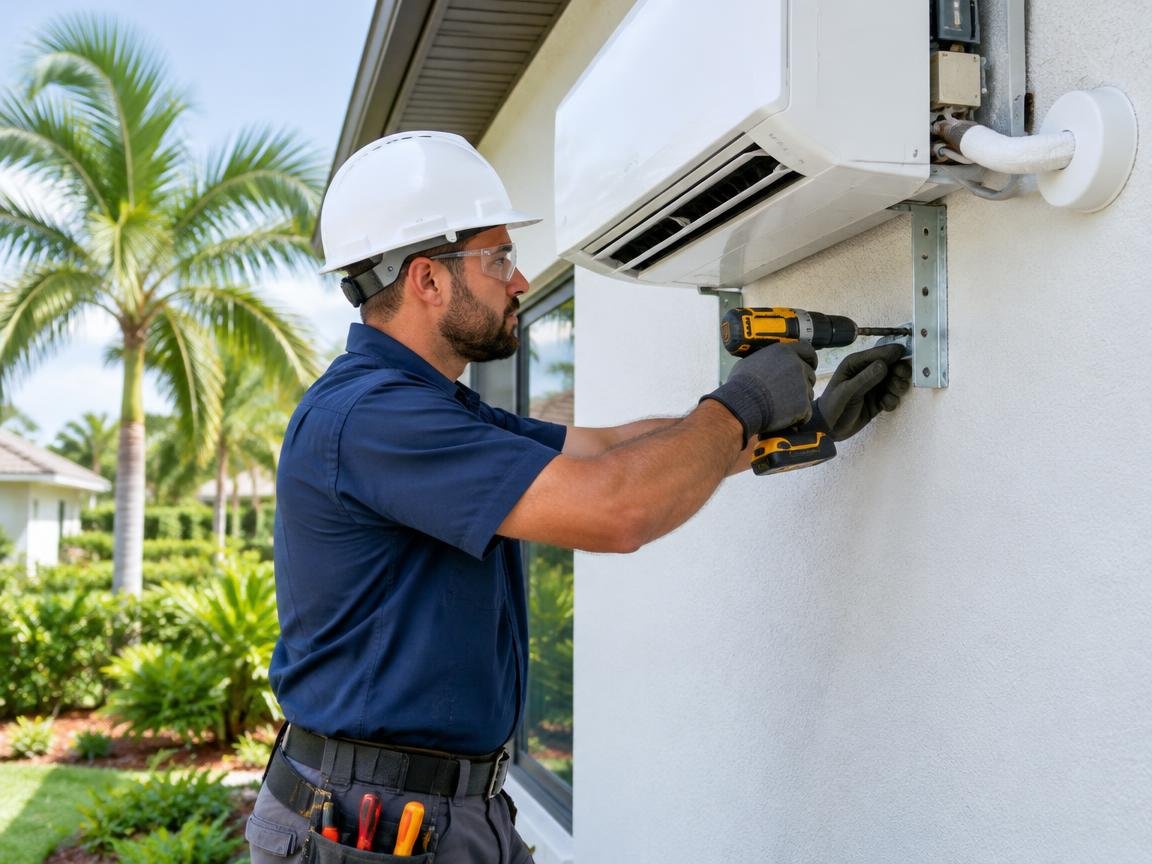
A professional ductless installation is remarkably streamlined compared to installing ducted central air. Because there are no massive metal trunks or flexible ducts to route through ceilings, the process creates very little dust and causes minimal disruption to your daily routine.
Single-zone systems typically take between 4 and 6 hours to install, allowing you to enjoy cool comfort on the very same day. Multi-zone installations spanning three, four, or five rooms across a larger property generally require one to two days. Whether you need an addition conditioned in Bradenton, FL, or complete zoning in Parrish, FL, comprehensive Parrish HVAC services can help identify the right approach. Choosing professional ductless mini-split installation helps ensure the work follows Florida building codes and manufacturer specifications. We adhere to rigorous air conditioning installation standards on every project.
Step-by-Step Guide to Ductless Mini Split Installation in Parrish, FL
Here is the exact step-by-step process I follow during a professional mini-split setup:
- Pre-Installation Assessment and Location Planning: We determine the optimal indoor wall location for balanced airflow distribution and select a stable, well-ventilated exterior location for the outdoor condenser.
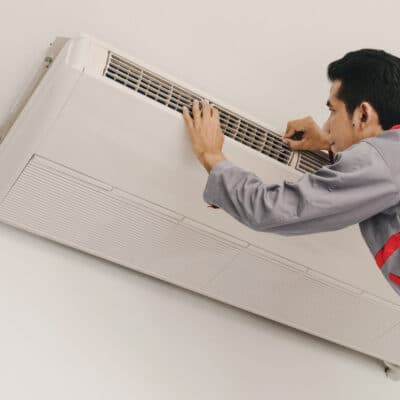
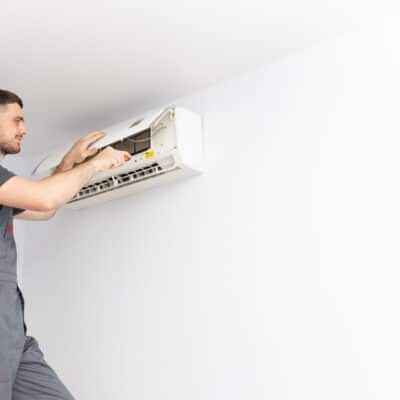
- Mounting the Indoor Air Handler: A heavy-gauge metal mounting plate is secured directly into wall studs, ensuring it is perfectly level to facilitate proper condensate drainage.
- Drilling the Exterior Conduit Hole: We drill a small three-inch hole through the exterior wall at a slight downward angle. This passage houses the insulated refrigerant copper lines, condensate drain tubing, and electrical communication cabling.
- Setting the Outdoor Condenser: The outdoor unit is secured to an elevated hurricane-rated equipment pad or wall brackets, maintaining clear airflow clearances around the coil.
- Connecting Refrigerant Lines and Wiring: The copper lines are flared, connected, and insulated. Electrical disconnects and surge protection devices are wired in accordance with local safety codes.
- Pressure Testing and Vacuum Evacuation: We perform a high-pressure nitrogen test to verify there are zero refrigerant leaks, followed by pulling a deep vacuum below 500 microns to remove all traces of air and moisture from the lines.
- Refrigerant Release and Commissioning: The system valves are opened, releasing the factory refrigerant charge. We power on the system, verify operating pressures, test temperature splits across the coil, and walk you through operating your remote controls.
While educational guides explain the setup, mini-split installation is not a do-it-yourself project. It involves high-voltage electrical connections, structural wall penetrations, and specialized refrigeration tools like micron gauges, vacuum pumps, and torque wrenches. Always contact a licensed HVAC professional if specialized tools are required, high-voltage electrical circuits are involved, or you are unsure about completing the installation safely and correctly.
Avoiding Common Mini-Split Installation Mistakes
Amateur or rushed installations often lead to recurring system issues. One of the most frequent errors is improper drain line slope. Mini-split indoor units rely on gravity to drain moisture away from the coil. If the drain line has an uphill pitch or an unvented dip, water will back up and overflow inside your home.
Another critical error is improper line-set lengths or poor electrical connections. Exceeding maximum piping distances without adding supplementary refrigerant causes compressor strain, while using incorrect communication wire gauges leads to signal errors between the indoor head and outdoor condenser. If your system ever experiences cooling issues or unexpected error codes, scheduling professional HVAC repair services can resolve operational faults before permanent compressor damage occurs.
System Lifespan, Costs, Maintenance, and 2026 Rebates
Investing in a ductless mini-split provides substantial long-term value. With routine maintenance, a premium ductless system installed in our Florida climate typically lasts 15 to 20 years. Because the system bypasses leaky ductwork and uses an inverter compressor, the resulting utility savings often offset the initial installation investment within 5 to 7 years.
Homeowners looking for convenient payment structures can take advantage of flexible HVAC financing solutions. Exploring options for financing a new AC for Florida homeowners in 2026 makes it simple to upgrade your comfort with budget-friendly monthly plans.
Additionally, installing high-efficiency heat pump equipment may qualify you for financial incentives. Under current energy programs, qualifying heat pump systems can be eligible for federal Energy Efficient Home Improvement credits of up to 30% of project costs (subject to annual limits and efficiency standards), as well as local utility rebates. Always check current federal, state, and utility rebate and incentive eligibility before finalizing your equipment selection.
Keeping your system running efficiently requires simple, consistent maintenance:
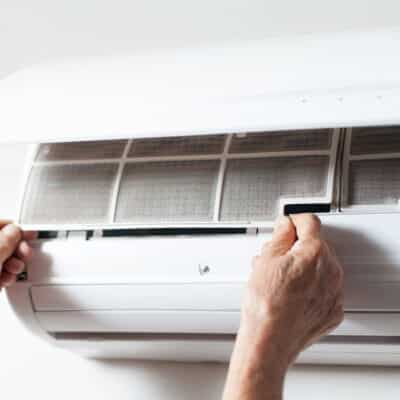
- Bi-Weekly Filter Washing: Pop open the front panel of your indoor head, remove the mesh filters, rinse them under warm water, let them dry completely, and reinstall them.
- Clearing the Outdoor Condenser: Keep shrubs, grass clippings, and mulch at least two feet away from the outdoor unit to promote unrestricted airflow.
- Annual Professional Tune-Ups: Have an HVAC technician inspect electrical terminals, check refrigerant levels, deep clean the blower wheel, and sanitize the condensate pan and drain line.
Whether you need a dedicated system for an addition or a whole-home solution, professional installation guarantees optimal performance. We also handle ductless mini-split installation in Bradenton, FL, and neighboring communities across Manatee County.
Frequently Asked Questions About Ductless Mini-Splits in Parrish, FL
What are the main benefits of ductless mini-split systems for homes in Parrish, FL?
Ductless systems eliminate the 20% to 30% energy losses common in attic ductwork, provide customized room-by-room temperature control, operate almost silently, and deliver continuous dehumidification that keeps indoor humidity between 40% and 50%.
How much does ductless mini-split installation cost in Parrish, FL?
Installation costs vary based on the number of zones required, system capacity, electrical requirements, and mounting locations. Air Shield Heating & Cooling provides detailed, free in-home estimates to give you an accurate, no-obligation quote.
How long does a ductless mini-split installation take from start to finish?
A single-zone installation is typically completed in 4 to 6 hours. Multi-zone installations spanning several rooms or separate levels of a home generally take one to two business days.
What features should I look for in a mini-split for Florida’s humid climate?
Look for variable-speed inverter compressors, corrosion-resistant outdoor coil coatings, high SEER2 efficiency ratings, multi-stage air filtration, and multi-speed fans designed for extended dehumidification cycles.
Do ductless mini-splits provide both cooling and heating?
Yes. Ductless mini-splits are reverse-cycle heat pumps that provide both powerful cooling during Florida summers and energy-efficient heating during winter cold snaps without using expensive electric heat strips.
What are the potential disadvantages of a ductless mini-split system?
Ductless systems require visible indoor wall, floor, or ceiling heads in each conditioned space. They also require regular filter cleanings and must be sized and installed by an experienced HVAC professional to avoid short-cycling.
How do I know if a ductless mini-split is the right choice for my home?
Mini-splits are ideal if you have room additions, converted garages, sunrooms, hot spots that central AC cannot cool, or older homes that lack space for traditional attic ductwork.
What is the average lifespan of a ductless mini-split system in Florida?
A properly sized and professionally maintained mini-split system typically lasts 15 to 20 years in Florida, outlasting many conventional central air conditioning systems.
Are there federal tax credits or rebates available for installing a ductless mini-split in 2026?
Yes. High-efficiency heat pump mini-splits meeting specific efficiency criteria may qualify for federal tax credits of up to 30% under current energy improvement programs, along with potential local utility rebates.
What ongoing maintenance is required to keep a ductless mini-split running efficiently?
Homeowners should clean the reusable indoor air filters every two to four weeks and keep the outdoor unit free of debris. An annual professional service check is essential to clean internal blower components, flush drain lines, and check operating pressures.
Conclusion: Upgrade Your Comfort with Professional Installation
Ductless mini-splits offer one of the most efficient, flexible, and quiet cooling solutions available for Florida homeowners today. Whether you want to eliminate hot spots, turn your garage into a year-round workspace, or lower your monthly electric bills, proper sizing and expert installation make all the difference. At Air Shield Heating & Cooling, our family-owned team has proudly served Manatee County since 2014, offering 24/7 response, free estimates, and veteran discounts. When you are ready for better comfort and humidity control, contact our ductless mini-split installation specialists with our team.