
Why Your AC Maintenance Checklist Could Be Costing You Money Right Now
Following a proper AC maintenance checklist is one of the most important things you can do as a Florida homeowner to protect your cooling system, lower your energy bills, and avoid an unexpected breakdown on the hottest day of the year.
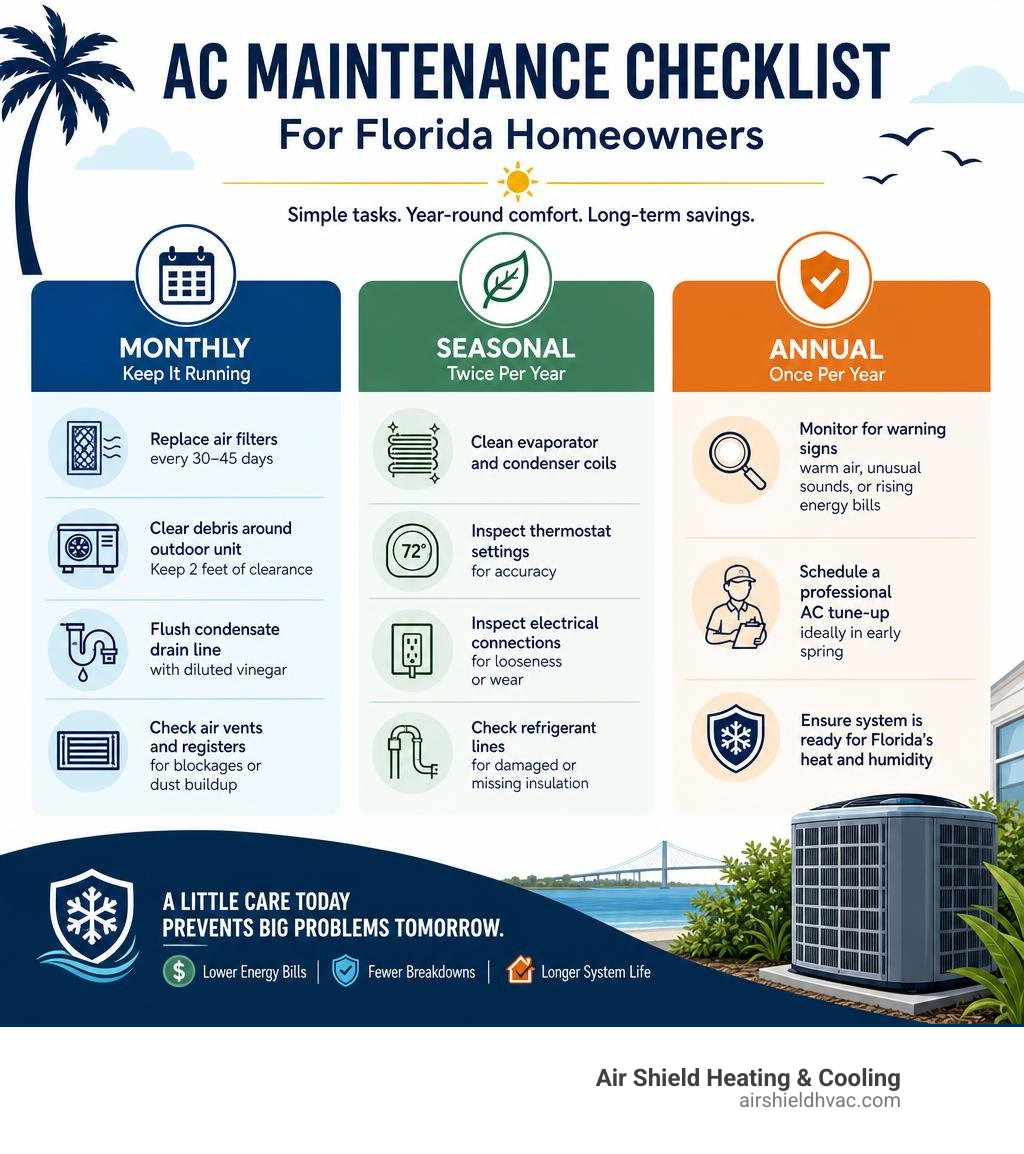
Here is a quick-reference AC maintenance checklist for Florida homeowners:
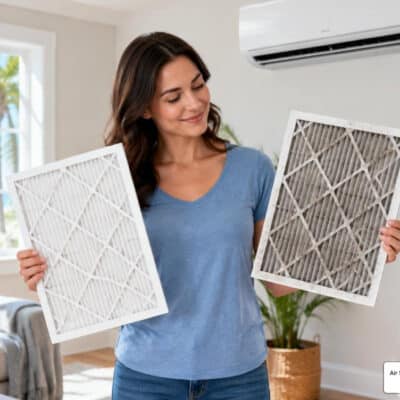
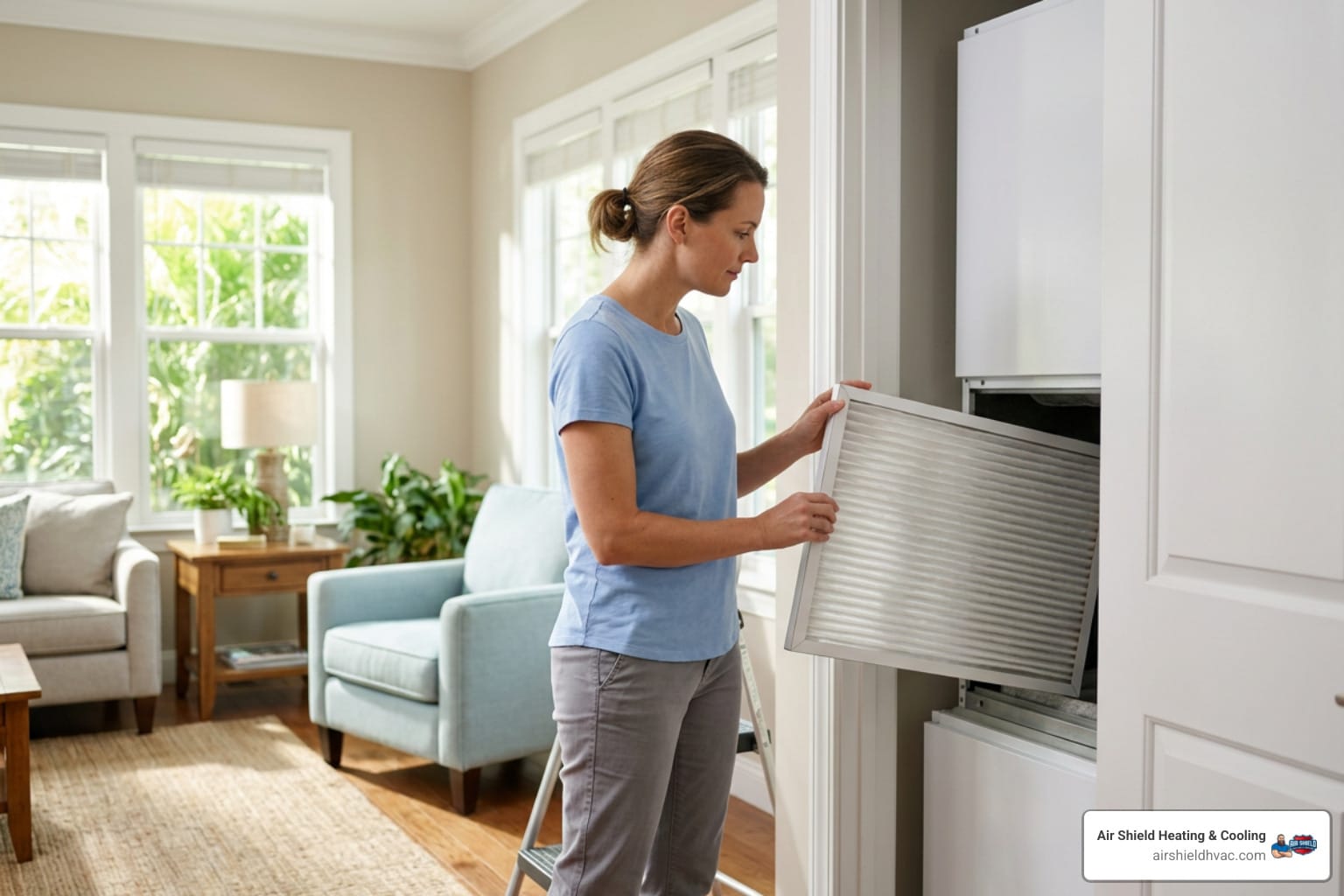
- Replace air filters every 30 to 45 days during peak cooling season
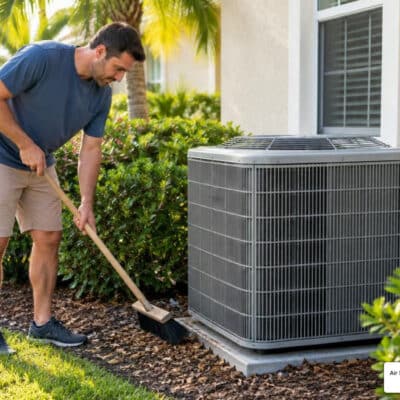
- Clear debris from around the outdoor condenser unit, maintaining at least 2 feet of clearance
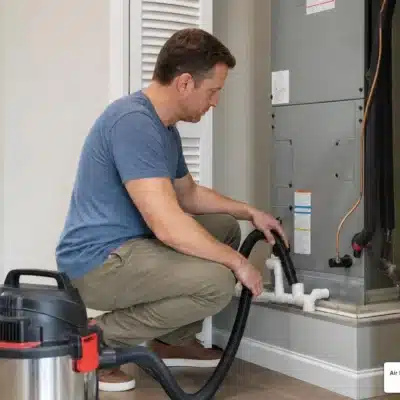
- Flush the condensate drain line monthly with diluted vinegar to prevent clogs and mold
- Inspect thermostat settings to confirm accurate temperature output
- Check AC vents and registers for blockages or dust buildup
- Clean evaporator and condenser coils at least once per season
- Inspect electrical connections for looseness or visible wear
- Check refrigerant lines for damaged or missing insulation
- Monitor for warning signs such as warm air, unusual sounds, or rising energy bills
- Schedule a professional AC tune-up at least once per year, ideally in early spring
In Florida, air conditioning is not a seasonal luxury. It runs nearly year-round, and the combination of intense heat, high humidity, and salty coastal air puts serious stress on HVAC systems in Manatee County. According to the U.S. Department of Energy, nearly half of all energy used in a typical American home goes toward heating and cooling. That number runs even higher for Florida homeowners who rely on their AC systems for eight to ten months out of the year.
The problem most homeowners face is not that they do not care about their system. It is that small maintenance tasks get overlooked until the system starts showing symptoms. A dirty filter here, a clogged drain line there, and before long the system is working twice as hard, driving up electricity costs and wearing out components well ahead of schedule.
The Air Shield Heating & Cooling team has more than two decades of hands-on HVAC experience serving Manatee County, FL, and the surrounding communities. We have seen how a simple, consistent AC maintenance checklist can be the difference between a system that lasts for years and one that fails earlier than it should. In the sections below, we will walk you through exactly what to check, when to check it, and when to call in a professional.
Why Every Homeowner Needs an AC Maintenance Checklist
When you live in places like Bradenton, FL, or Sarasota, FL, your air conditioner is the hardest working appliance in your home. Skipping regular care is a gamble that often leads to costly mid-summer breakdowns. The Air Shield Heating & Cooling team often reminds homeowners that a solid preventive routine is one of the simplest ways to protect home comfort.
First, let us talk about energy efficiency. When your AC system is clean and well-calibrated, it does not have to struggle to pull in air or dump heat outside. Simple issues like dirty coils or a clogged filter can reduce your system’s efficiency and show up directly on your monthly utility bills over the course of a long, hot Florida summer.
Second, consistent maintenance directly extends your system’s lifespan. A well-maintained central AC system can often last 15 to 20 years in our climate, while a neglected system may fail much sooner. By staying on top of your checklist, you protect your compressor, which is the expensive heart of your system. For homeowners who want a professional maintenance routine, our AC maintenance services help keep cooling equipment checked, cleaned, and ready for Florida heat.
Finally, proper maintenance directly impacts your indoor air quality. The average home accumulates a surprising amount of dust, pet dander, and pollen. Since we spend so much of our time indoors during the humid summer months, your AC system acts as the primary defense against these airborne particles.
For a deeper look at how routine service prevents major problems, our blog on annual HVAC checkups explains how minor adjustments can help prevent major component failures.
To help you visualize the difference that consistent care makes, here is a comparison of a well-maintained system versus one that is neglected:
| Feature / Metric | Well-Maintained AC System | Neglected AC System |
|---|---|---|
| Average Lifespan | 15 to 20 years | 10 to 12 years |
| Monthly Energy Bills | Baseline, optimized efficiency | Higher due to added system strain |
| Risk of Summer Breakdown | Very low | High, especially on the hottest days |
| Indoor Air Quality | Clean, low dust, controlled humidity | High dust, potential mold, stuffy air |
| Airflow Performance | Strong and consistent throughout the home | Weak airflow, uneven cooling, hot spots |
| Warranty Status | Fully protected by documented service | Risk of being voided due to lack of care |
The Complete DIY AC Maintenance Checklist
Taking care of your AC system does not mean you need to be a certified technician. There are plenty of safe, simple tasks you can handle yourself to keep things running smoothly. Before you touch anything, let us cover the most important rule of DIY HVAC care: safety first.
Always turn off the power to your system before performing any inspection or cleaning. For the indoor unit, this usually means flipping the switch on your furnace or air handler cabinet, or turning off the dedicated breaker in your electrical panel. For the outdoor condenser, locate the metal disconnect box mounted on the wall near the unit. Pull the T-shaped disconnect plug out entirely to ensure there is no electrical current running to the system while you work.
To handle the basic DIY tasks, you will only need a few simple tools:
- A standard screwdriver set to open access panels if needed
- A soft-bristle brush or a shop vacuum with a brush attachment
- A replacement air filter of the correct size
- A standard garden hose with a gentle spray nozzle, never a pressure washer, which can bend the delicate aluminum fins
- A cup of household white vinegar
How to Use This AC Maintenance Checklist for Monthly Tasks
Your monthly routine is the foundation of your system’s health. The single most important task on this list is inspecting and replacing your air filter. A dirty filter restricts airflow, forcing your blower motor to work harder and run hotter. This extra strain can cause your evaporator coil to freeze over, completely blocking cold air from entering your home.
When choosing a filter, pay attention to the MERV, or Minimum Efficiency Reporting Value, rating. For most homes in Bradenton, FL, and Sarasota, FL, a filter rated between MERV 8 and MERV 11 offers the right balance of particle filtration and unrestricted airflow. Avoid high-efficiency MERV 13+ filters unless your system was specifically designed for them, as they can restrict airflow even when clean.
If you want help matching your filter schedule to your home, our blog on how often to change your HVAC filter explains how pets, allergies, household size, and Florida cooling demand affect replacement timing.
The next monthly task is clearing debris from your outdoor unit. High winds and summer storms in places like Bradenton Beach, FL, and Lakewood Ranch, FL, frequently blow leaves, grass clippings, and twigs against the condenser. Walk outside and clear away any vegetation, keeping a clear 2-foot perimeter around the metal cabinet. This ensures your system can dump heat into the outside air efficiently.
Finally, you must tend to your condensate drain line. Because of the extreme humidity in Southwest Florida, your AC system pulls gallons of water out of your indoor air every day. This water flows through a PVC drain line to the outside of your home. The warm, wet environment inside that pipe is a perfect breeding ground for algae and slime, which can quickly cause a clog. To prevent water damage in your home, pour one cup of regular white vinegar down your condensate drain line access T-joint once a month. This simple step kills algae before it can form a solid blockage.
When to Upgrade Your AC Maintenance Checklist for Seasonal Changes
While monthly tasks keep things running, seasonal shifts require a slightly different approach. In early spring, before the intense heat settles over Manatee County, FL, you should perform a thorough system startup check. This is the time to clean your outdoor condenser coils with a gentle spray from your garden hose, clearing away any accumulated pollen or dust.
As we transition into the peak humid season, your system has to work twice as hard to control indoor moisture levels. During these months, you should monitor your indoor relative humidity, aiming to keep it between 45 percent and 55 percent. If your home feels clammy or smells musty, your system may not be running long enough to dehumidify properly, or your fan settings might need adjustment.
For homeowners who prefer a professional seasonal check before summer humidity peaks, our HVAC maintenance service gives your system a thorough inspection, cleaning, and performance review before the hardest months of the year.
When our brief winter arrives in places like Sun City Center, FL, and Palmetto, FL, you might use your AC less frequently. While we rarely shut our systems down completely, this milder season is the perfect time to inspect your ductwork for visible leaks and ensure your thermostat is calibrated correctly. If you have a programmable or smart thermostat, make sure your seasonal schedules match your current daily routine to avoid wasting energy when you are away from home.
Professional HVAC Tune-Ups vs. DIY Maintenance
While DIY steps are incredibly valuable, they do not replace the need for professional service. There is a clear line where homeowner maintenance ends and professional expertise must take over. Certain tasks require specialized diagnostic tools, technical training, and specific certifications to be completed safely and legally.
For example, checking and adjusting electrical connections is a job for a professional. A technician will measure the voltage and amperage on your blower motor and compressor, inspect the contacts for pitting, and test the capacitors. Capacitors act like temporary batteries that help your motors start up, and they are one of the most common causes of system failures during hot Florida summers. Testing them requires a specialized multimeter and the knowledge of how to discharge stored electrical energy safely.
Refrigerant levels are another area that must be left to the pros. Your AC system does not consume refrigerant like a car consumes gas. If your refrigerant is low, it means you have a leak. Finding, repairing, and recharging a refrigerant line requires EPA Section 608 certification, as these chemicals are highly regulated and can harm the environment if handled incorrectly.
Furthermore, professional technicians ensure your system complies with local building safety regulations. If you live in Bradenton Beach, FL, you can refer to the 7th edition Florida building codes checklist to see the commercial and residential inspection standards that professional installations and maintenance services must meet. To plan your professional maintenance schedule, the Air Shield Heating & Cooling team can help you choose the right service frequency for your specific system and local climate.
Signs Your AC Unit Needs Immediate Professional Service
Even with a consistent AC maintenance checklist, components will eventually wear out. Knowing the early warning signs of a failing system can help you schedule a repair before you are left without cooling in the middle of a July heatwave.
- Warm Air Blowing from Vents: If your thermostat is set to cool but the air coming out of your registers is warm, you could have a failed compressor, a bad capacitor, or a severe refrigerant leak.
- Frequent Short Cycling: If your system turns on and off every few minutes without completing a full cooling cycle, it is short cycling. This puts massive strain on your compressor and is often caused by restricted airflow, an oversized unit, or a malfunctioning thermostat.
- Unusual Noises: While your AC will make a gentle hum as it runs, you should never hear squealing, grinding, clanking, or loud buzzing. Squealing often points to a failing blower motor belt, while grinding suggests worn-out motor bearings.
- Water Pooling Around the Indoor Unit: If you see water pooling around your air handler, your condensate drain line is likely completely blocked, or your drain pan is cracked. Shut the system off immediately to prevent water damage to your drywall and floors.
- Ice on the Evaporator Coil or Refrigerant Lines: Ice is a clear sign of an airflow problem or low refrigerant. Never try to scrape the ice off yourself, as you can easily puncture the delicate copper lines. Turn the system off and call a technician to diagnose the root cause.
If you notice any of these issues, it is best to address them immediately. To learn more about how regular inspections prevent these emergencies, read about the 13 essential reasons to invest in an HVAC maintenance plan this year to protect your home and keep your system running reliably.
Frequently Asked Questions About AC Maintenance
How often should I perform AC maintenance in Florida?
Because our systems run almost constantly, you should follow your monthly DIY checklist year-round. This includes checking your filter every 30 days and flushing your drain line. For professional care, you should schedule a comprehensive tune-up at least once a year, ideally in the spring before the extreme summer heat arrives.
Can a dirty air filter increase my energy bills?
Yes, absolutely. A dirty air filter restricts airflow, forcing your system to run longer and work harder to cool your home. This added resistance can raise cooling costs during our long Florida summers.
What is the average cost of a professional AC tune-up?
Pricing for a professional AC tune-up depends on the age of your system, its current condition, the type of equipment you have, and your location. The best next step is to request a professional estimate that reflects your home’s specific cooling needs.
How do I clean my outdoor AC condenser unit safely?
First, turn off the power at the outdoor disconnect box. Use a soft brush to clear away loose leaves and grass from the exterior fins. Then, use a standard garden hose with a gentle spray pattern to rinse the coils from the top down, washing away accumulated dirt and salt residue. Never use a pressure washer, as the high pressure will permanently damage the delicate aluminum fins.
Why is my AC blowing warm air?
Your AC might blow warm air due to a simple issue like a dirty air filter blocking airflow, or a tripped circuit breaker on your outdoor unit. More serious causes include a failed compressor capacitor, a broken blower motor, or a refrigerant leak, which require professional diagnostic tools to resolve.
What are the signs of a refrigerant leak?
Common signs of a refrigerant leak include warm air coming from your vents, a hissing or bubbling sound near your indoor or outdoor unit, and ice building up on your copper refrigerant lines or evaporator coil. If you suspect a leak, turn off your system and call a professional immediately.
Should I turn off my AC when I go on vacation?
No, you should never turn your AC completely off when leaving your Florida home, even in the winter. Without the AC running, indoor humidity levels will quickly skyrocket, creating the perfect environment for mold and mildew growth. Instead, raise your thermostat slightly to save energy while keeping your indoor humidity safely controlled.
What is the difference between a central AC and a ductless mini-split maintenance checklist?
While both systems require filter cleaning and coil maintenance, central systems rely on a network of ductwork that must be inspected for leaks and clean registers. Ductless mini-splits have individual indoor air handlers with reusable filters that must be washed manually, and their unique blower wheels require specialized cleaning to prevent dust buildup.
How long does a professional AC tune-up take?
A thorough, professional AC tune-up typically takes between 60 and 90 minutes. During this time, the technician will clean the coils, flush the drain line, test all electrical connections, measure motor currents, check refrigerant pressures, and verify thermostat calibration.
Will skipping regular AC maintenance void my manufacturer warranty?
Yes, many major HVAC manufacturers require proof of regular, professional maintenance to keep your warranty valid. If a major component like your compressor fails and you cannot provide documented proof of annual professional service, the manufacturer may deny your warranty claim, leaving you responsible for the replacement.
Conclusion
Keeping your cooling system in top shape does not have to be a stressful chore. By staying consistent with your monthly DIY tasks and scheduling your annual professional tune-ups, you can enjoy lower energy bills, cleaner indoor air, and peace of mind knowing your system is ready to handle whatever the Florida summer throws its way.
Whether you need fast AC repairs, seasonal HVAC maintenance, or a complete system replacement, the team at Air Shield Heating & Cooling is ready to help. As a family-owned business serving Bradenton, FL, and Manatee County, FL, since 2014, we are proud to offer 24/7 response times, free estimates, and exclusive club memberships to keep your home comfortable year-round. Ready to protect your cooling system before Florida heat and humidity create problems? Contact our professional AC maintenance technicians today.