Why Florida Homeowners Need to Prevent AC Emergencies Before They Happen
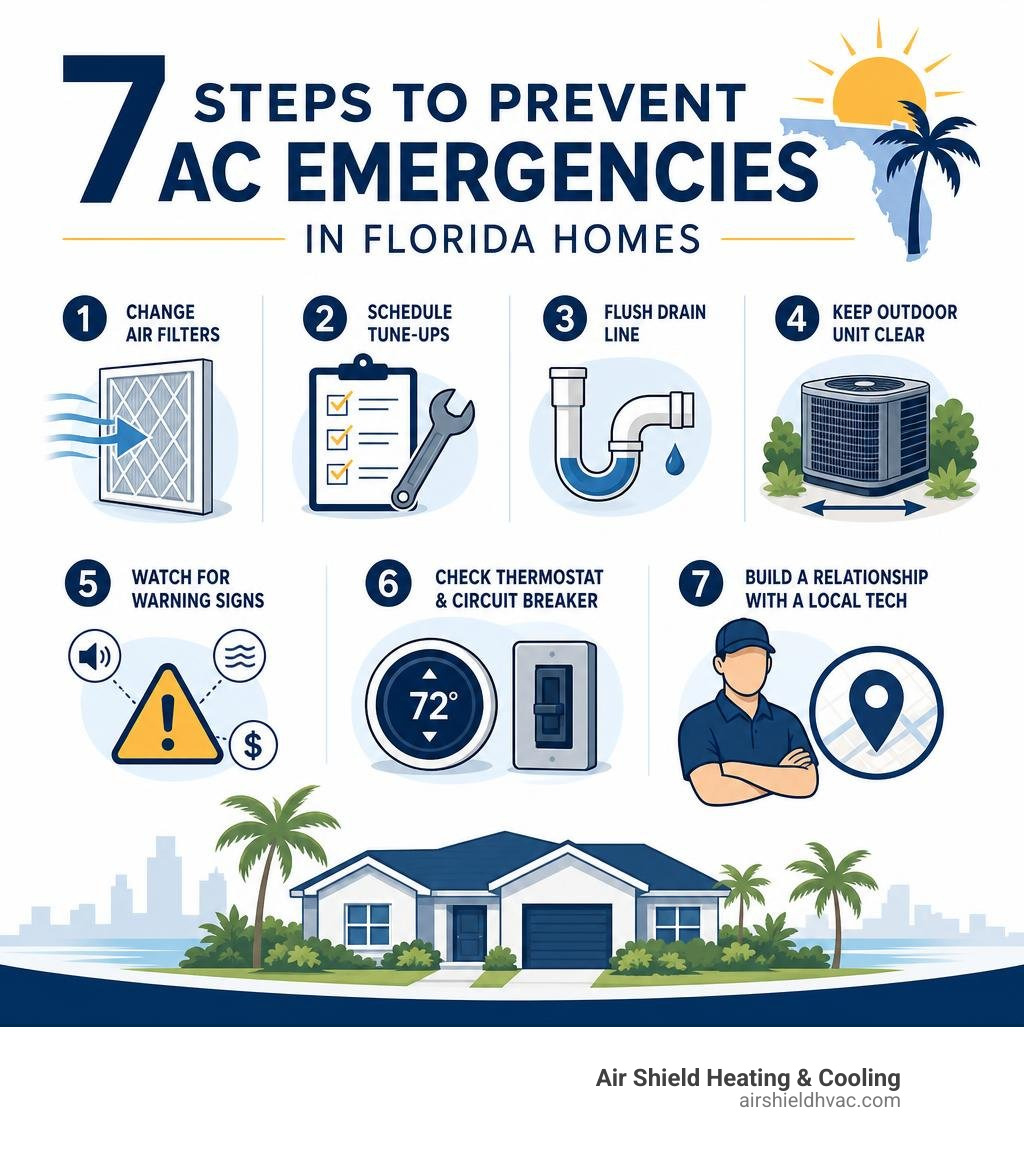
The best way to prevent AC emergency situations in your Florida home comes down to a handful of consistent habits most homeowners overlook until something goes wrong. Here is a quick summary of what works:
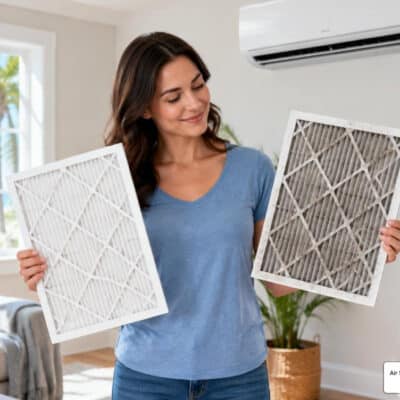
- Replace air filters every 30 to 60 days during peak cooling season
- Schedule professional HVAC tune-ups twice a year in spring and fall
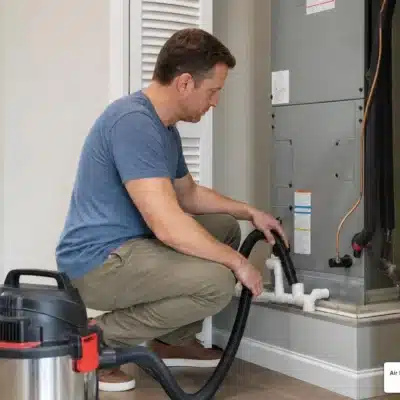
- Flush your condensate drain line every three months to prevent clogs and shutdowns
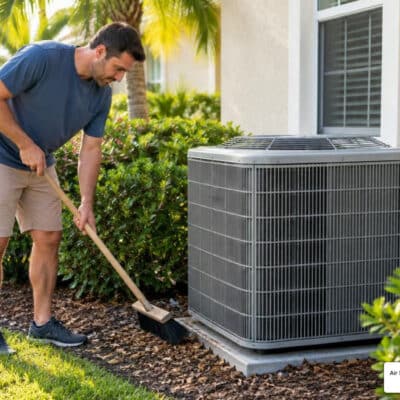
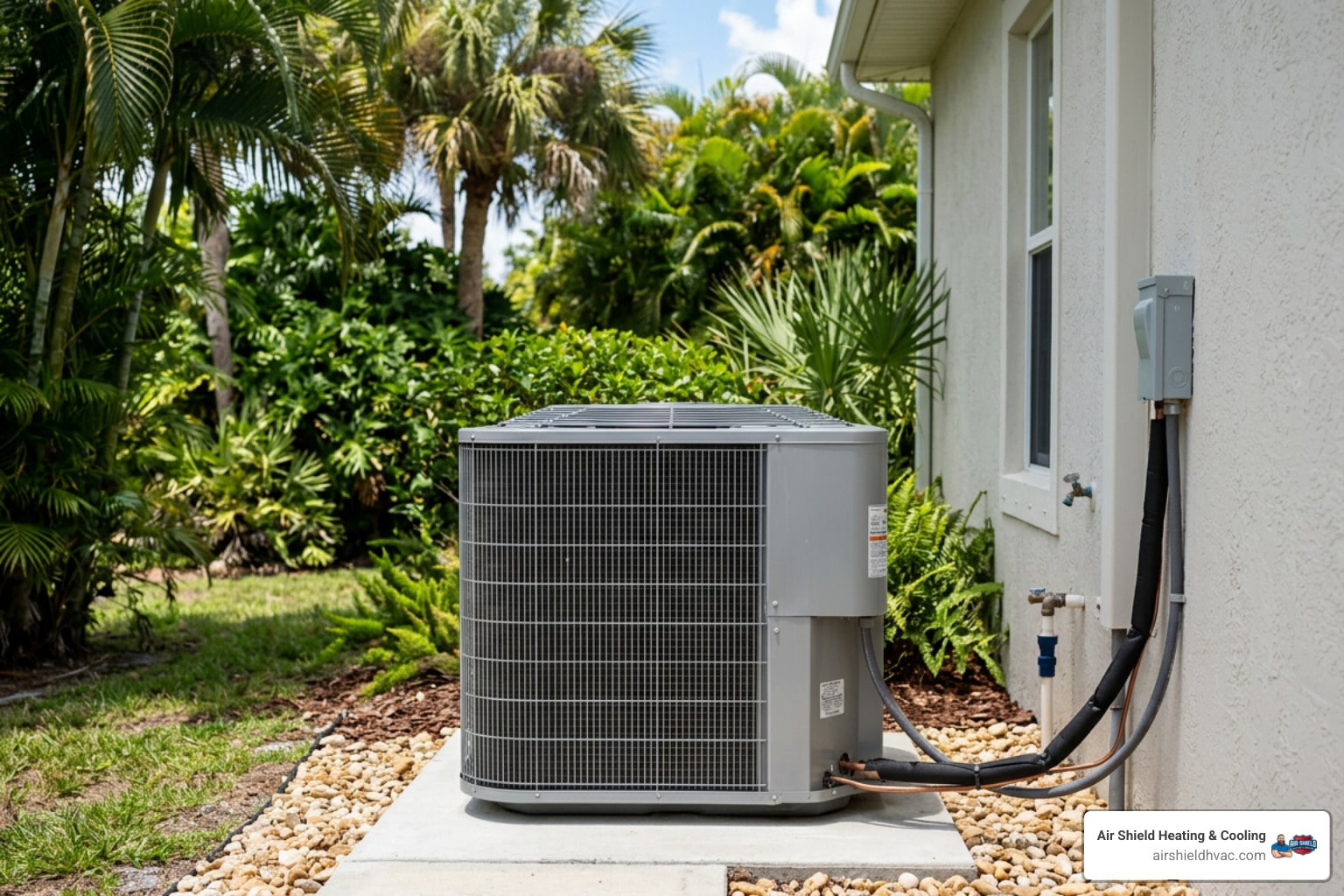
- Keep the outdoor unit clear with at least two feet of clearance around it
- Watch for early warning signs like unusual noises, weak airflow, or rising energy bills
- Check your thermostat and circuit breaker first before assuming the worst
- Build a relationship with a trusted local HVAC team before an emergency happens
A broken air conditioner during a Florida summer is not just an inconvenience. It can become a genuine health risk within hours. Manatee County, FL, experiences intense heat and humidity that puts relentless stress on residential AC systems from late spring through early fall. When outdoor temperatures regularly push past 90 degrees and indoor humidity climbs unchecked, a cooling system that is even slightly behind on maintenance can go from struggling to completely failing in a matter of days.
According to research on HVAC system reliability, 70% of homeowners experience an HVAC breakdown during peak seasons, and most of those breakdowns are not random. They are the result of small, ignored issues that built up quietly over months. The good news is that homeowners who stick to a regular maintenance routine are 50% less likely to face an unexpected breakdown compared to those who skip it.
For Florida homeowners specifically, the combination of salt air near the coast, high humidity, heavy pollen seasons, and systems that run nearly year-round creates a maintenance environment that is more demanding than most other regions. Your AC system in Bradenton, FL, or surrounding Manatee County communities is simply working harder and longer than systems in cooler climates, which means the window for catching small problems before they escalate is narrower.
At Air Shield Heating & Cooling, our team has spent years helping homeowners across Manatee County and surrounding Florida communities avoid sudden cooling failures through practical maintenance, honest recommendations, and fast support when problems appear. In the sections ahead, we will walk you through exactly what qualifies as an emergency, what you can safely check yourself, and how to build a prevention routine that keeps your system running reliably through even the hottest Florida summers.
What Qualifies as an AC Emergency vs. a Non-Urgent Issue?
When your home starts warming up, it is easy to panic. However, understanding the difference between an issue that needs immediate attention and one that can wait for normal business hours can save you stress. Our team always tells customers in Bradenton, FL, that a true AC emergency is defined by risks to your health, your property, or the structural integrity of the HVAC system itself.
A true AC emergency includes the following situations:
- Complete System Failure in Extreme Heat: If the outdoor temperature exceeds 90 degrees and your system will not turn on at all, this is an emergency, especially if your household includes infants, elderly individuals, or anyone with a chronic illness.
- Electrical Issues or Burning Smells: If you smell burning plastic, sulfur, or see smoke coming from your vents or the outdoor unit, shut the power off at the breaker immediately. This is a severe fire hazard.
- Refrigerant Leaks: A sudden loss of cooling accompanied by a hissing sound usually indicates a major refrigerant leak. Refrigerant is a hazardous substance that requires certified handling.
- Significant Indoor Water Leaks: While a minor drip is non-urgent, a clogged drain line that is actively flooding your ceiling or drywall can cause thousands of dollars in water damage and rapid mold growth.
To help you distinguish between urgent and non-urgent situations, we have put together a quick reference table below. If you notice any of the urgent symptoms, the warning signs often overlap with the problems covered in our blog on emergency AC warning signs, including burning odors, major leaks, frozen coils, and complete system failure.
| Issue Type | Emergency Call Immediately | Non-Urgent Schedule Regular Service |
|---|---|---|
| Cooling Power | System is completely dead during a 90+ degree day | System is cooling but struggles to reach the exact thermostat setting |
| Odors | Strong burning smell, electrical ozone odor, or smoke | Musty or dusty smell when the system first turns on |
| Noises | Loud metal-on-metal screeching, heavy banging, or rapid clicking | Soft humming or normal expansion and contraction sounds |
| Water Leaks | Water actively overflowing onto drywall, ceilings, or near electrical panels | Minor condensation on the outdoor line or small drips in the pan |
| Coil Condition | Evaporator coils are completely encased in a thick block of ice | Coils are dusty but free of ice |
Signs Your AC System is Heading Toward a Breakdown
Very few AC systems fail without warning. Most of the time, your system will drop subtle hints that it is struggling before it finally shuts down. If you can catch these warning signs early, you can schedule a standard repair and avoid the stress of a midnight system failure.
The most common warning sign is a change in the sounds your system makes. A failing capacitor or a struggling fan motor often produces a loud humming, squealing, or rattling noise before it fails completely. You should also watch out for rapid cycling, which is when the AC turns on and off every few minutes without actually cooling your home. This places immense strain on the compressor.
If you notice weak airflow or warm air coming from your vents, your system is likely dealing with a clogged filter, a failing blower motor, or low refrigerant levels. Many of the same symptoms appear in common fixes for AC emergencies in Florida homes, so addressing them early can keep a manageable repair from becoming a full shutdown.
The Hidden Risks of Ignoring AC Warning Signs
Many homeowners try to get one more month out of a struggling AC system to delay a repair. In Florida, this is a dangerous gamble. When you ignore warning signs like weak airflow or minor refrigerant leaks, you force the compressor to work twice as hard under extreme heat. The compressor is the heart of your AC system, and if it overheats and fails, the repair can be significant, often forcing a full system replacement.
Additionally, our high humidity in coastal areas like Bradenton, FL, and Sarasota, FL, means that any loss of cooling power will cause indoor humidity levels to surge past 60 percent. Mold can begin growing on drywall, carpets, and inside ductwork in as little as 48 hours under these conditions. What started as a simple electrical issue can quickly turn into an expensive mold remediation project.
DIY Troubleshooting: Is It a Quick Fix or a Professional Job?
Before you call for emergency service, it is highly beneficial to spend five minutes performing some basic troubleshooting. You might be surprised to learn that a significant portion of emergency service calls turn out to be simple issues that homeowners can safely resolve themselves.

When your system stops cooling, start with these simple checks:
- Check the Thermostat: Ensure it is set to “Cool” and the fan is set to “Auto” or “On.” Sometimes, a simple slip of the finger can set the thermostat to “Heat” or “Fan Only.”
- Inspect the Batteries: If your thermostat screen is blank, replace the batteries. A dead thermostat cannot communicate with your AC unit.
- Look at the Circuit Breaker: Check your home’s main electrical panel. If the breaker for the AC has tripped, reset it once. If it trips again immediately, do not attempt to reset it a second time, as this indicates a serious electrical fault.
- Examine the Air Filter: A completely clogged air filter restricts airflow so severely that the system will overheat and shut down, or the evaporator coils will freeze.
For a deeper dive into diagnosing these common issues on your own, you can follow these step-by-step AC troubleshooting steps to see if your system just needs a quick adjustment.
Safe DIY Checks Before Calling a Technician
If your thermostat and breakers look good, there are a few other safe physical checks you can perform. First, walk outside and look at your outdoor condenser unit. Ensure that weeds, shrubs, or fallen branches are not blocking the airflow. The outdoor unit needs at least two feet of clear space around it to release heat efficiently.
Next, check your indoor condensate drain line. Many modern Florida AC systems are equipped with a safety float switch. If the drain line clogs with algae, water backs up in the drain pan, lifts the float switch, and instantly cuts power to the entire system to prevent water damage. If you see water pooled in your auxiliary drain pan, a clogged drain line is almost certainly the culprit.
Immediate Steps to Take During an AC Emergency
If you have completed your basic troubleshooting and your AC is still down during a severe heat wave, you are officially dealing with an emergency. Knowing what to do in the first few minutes can protect your equipment from further damage and keep your household safe.
First, turn the system off at the thermostat. If your system is struggling, running warm air, or making loud grinding noises, leaving it on can destroy the compressor or fan motor. Turning it off stops the damage from escalating. If you suspect an electrical issue or smell burning, go directly to your breaker panel and switch the AC breakers to the “Off” position.
Next, locate your main condensate drain line and check for active leaks. If you see water dripping near your indoor ceiling or walls, place a bucket underneath the drip and lay down towels to protect your flooring. Once your home and system are secure, contact a professional to get a technician dispatched. Understanding how to handle emergency AC repair can help you navigate this stressful process smoothly.
How to Prevent AC Emergency Situations with Regular Maintenance
The single most effective way to prevent AC emergency calls is through proactive, regular maintenance. Nearly all emergency calls our team handles in Bradenton, FL, could have been avoided if the system had been serviced regularly.
Just like your car, your AC system is a complex machine with moving parts that wear down over time. In our intense Florida climate, systems run for thousands of hours every year. Routine maintenance allows a technician to catch a failing capacitor or a worn fan belt during a scheduled visit, rather than letting it fail on a hot Sunday afternoon.
According to the EnergyRight guide on AC emergencies, establishing a relationship with a licensed professional before an emergency occurs ensures you receive priority service when extreme weather hits. Seasonal upkeep is especially important in Florida, and our blog on annual HVAC checkups explains how regular inspections help protect long-term system reliability.
Simple DIY Habits to Prevent AC Emergency Breakdowns
While professional service is essential, there are several simple habits you can adopt to keep your system happy between visits. These DIY tasks are straightforward, safe, and highly effective at preventing sudden breakdowns.
First, stay on top of your air filters. During our hottest months, check your filter every 30 days. If you have pets or allergy sufferers in your home, you will likely need to replace it monthly. A clean filter ensures proper airflow, which keeps your system’s operating temperatures within safe limits.
Second, keep your condensate drain line clear. Because of our extreme humidity, algae and mold grow rapidly inside AC drain lines. To prevent clogs, pour a quarter-cup of distilled white vinegar down your drain line access port every three months. Avoid using harsh bleach, as it can degrade the PVC glue holding your drain pipes together. Homeowners who want a simple seasonal checklist can also use these AC maintenance tips before spring to prepare the system before Florida heat ramps up.
Scheduling Professional Tune-Ups to Prevent AC Emergency Risks
While DIY habits are great, they cannot replace the specialized tools and training of a professional technician. A comprehensive professional tune-up involves testing the electrical systems, measuring refrigerant levels, and deep-cleaning the coils.
During a professional tune-up, our technicians use specialized meters to test the microfarad ratings of your system’s capacitors. Capacitors are like temporary batteries that help your motors start and run. If a capacitor’s strength drops below 80 percent of its rated value, it will eventually cause the compressor or fan motor to overheat and fail. Catching this early is simple and inexpensive, but ignoring it can lead to a complete system breakdown.
Additionally, a professional will check your refrigerant charge. Because an AC is a closed system, any drop in refrigerant levels indicates a leak that must be located and repaired. Running a system with low refrigerant will freeze the coils and eventually destroy the compressor. If maintenance has not kept your system reliable or indoor air issues are making comfort harder to manage, Air Shield Heating & Cooling can also help with indoor air quality solutions that support a healthier, more comfortable home.
How to Stay Safe and Cool While Waiting for Emergency AC Repair
When your AC goes down during a major heat wave, the indoor temperature can easily climb past 85 degrees in less than three hours. While you wait for a technician to arrive, your priority must shift to protecting your family and pets from heat-related illness.
Here are the best ways to stay safe and cool:
- Create a Sanctuary Room: Choose one room in your home, close the door, and seal any window gaps with towels. Focus all your portable fans in this single space to maximize air circulation.
- Stay Hydrated: Drink plenty of cold water and avoid caffeine or alcohol, which can accelerate dehydration.
- Use Ceiling Fans Correctly: Ensure your ceiling fans are rotating counterclockwise to push cool air straight down.
- Take Cold Showers: A quick, cool shower is one of the fastest ways to lower your core body temperature.
- Know When to Leave: If your indoor temperature exceeds 85 degrees and you have vulnerable family members, do not hesitate to relocate to a local library, shopping mall, or a friend’s home until repairs are completed.
Preparing Your Home for Extreme Florida Heat Waves
If you know a major heat wave is approaching, you can take several steps to minimize the heat load on your home. Keep your blinds, drapes, or curtains closed on any windows that receive direct sunlight. Medium-colored draperies can reduce solar heat gain by up to 33 percent, which takes an enormous load off your AC system.
You should also avoid using heat-generating appliances like your oven, stove, dishwasher, or clothes dryer during the hottest parts of the day. If your system is already struggling, these appliances will quickly push your indoor temperature past the comfort zone.
Choosing a Reliable Emergency AC Repair Service in Bradenton, FL
When your AC breaks down at 2:00 AM, you do not want to scramble to find a technician. It is crucial to choose a company with a strong local reputation, certified technicians, and transparent pricing.
Look for a family-owned business that has been serving your community for years. Companies with deep roots in Manatee County are more likely to provide honest, reliable service because their reputation depends on it. Ensure the company employs NATE-certified technicians who undergo regular training to handle the latest HVAC technology, including modern high-efficiency systems. If your system is already down or showing urgent warning signs, Air Shield Heating & Cooling provides emergency AC repair services for homeowners who need fast help.
Understanding Emergency AC Repair Timeframes
Emergency repair timeframes can vary depending on several factors, including the time of day, seasonal demand, the complexity of the issue, and the specific parts required. Most reputable companies will perform a diagnostic visit to locate the problem and explain the repair options before work begins.
Minor repairs, such as replacing a bad capacitor, clearing a clogged drain line, or replacing a contactor, are typically resolved quickly during the initial visit because technicians keep these common parts stocked on their service vehicles. However, if your system has a failed compressor or a severely leaking coil, the repair may take longer if specialized parts must be ordered from a local distributor. Homeowners should request a professional estimate before any major work begins.
Frequently Asked Questions about AC Emergencies
What is considered a true AC emergency in Florida?
A true AC emergency in Florida is any situation where your cooling system completely fails during extreme heat (outdoor temperatures above 90 degrees), posing a health risk to vulnerable residents. It also includes situations involving electrical burning smells, smoke, active refrigerant leaks, or severe indoor water leaks that threaten to damage your home’s structure.
How much does emergency AC repair typically cost in Bradenton, FL?
Pricing for emergency AC repairs can vary depending on several factors, including the specific part that failed and the time of the service call. Most minor electrical or drain repairs are relatively straightforward, while major components like compressors or coils will be more significant. Homeowners should request a professional estimate for accurate pricing.
Can a dirty air filter cause my AC system to shut down completely?
Yes, a heavily clogged air filter restricts airflow across the evaporator coil. This lack of airflow causes the coil’s temperature to drop, leading to condensation freezing into a solid block of ice. Once the coil freezes, airflow is completely blocked, and the system will either shut down via a safety switch or continue running without cooling your home, which can damage the compressor.
Why is my AC running but blowing warm air?
An AC that runs but blows warm air is usually caused by a tripped outdoor breaker, a failed capacitor preventing the outdoor fan or compressor from running, low refrigerant levels due to a leak, or a completely frozen evaporator coil. Check your outdoor unit to see if it is running, and inspect your air filter before calling for service.
Is it safe to sleep in a house with no AC during a summer heat wave?
Sleeping in a house without AC can be risky in Florida, especially if indoor temperatures remain above 85 degrees and humidity is high. This environment makes it difficult for your body to cool itself naturally through sweat, which can lead to heat exhaustion or heat stroke, particularly for children, seniors, and pets.
How long does it take for an emergency HVAC technician to arrive?
Response times can vary depending on seasonal demand and your location. During peak summer heat waves, HVAC companies experience high call volumes. However, established local companies with 24/7 staffing typically strive to dispatch a technician within two to four hours of your call to restore your cooling as quickly as possible.
Can I perform emergency AC repairs myself?
While you can safely perform basic troubleshooting like replacing batteries, resetting a breaker once, or changing a dirty filter, you should never attempt to repair electrical components, fans, or refrigerant lines yourself. Handling high-voltage electricity and refrigerants requires specialized licensing, tools, and EPA certification. DIY attempts can void your warranty and cause further damage.
Why is my AC unit freezing up and forming ice?
An AC unit freezes up when there is a restriction in airflow (such as a dirty filter, closed vents, or a failing blower motor) or when the refrigerant charge is low. When either of these issues occurs, the evaporator coil gets too cold, causing the moisture extracted from your indoor air to freeze instantly on the coil.
How often should I schedule professional HVAC maintenance in Florida?
In Florida’s demanding climate, you should schedule professional HVAC maintenance at least twice a year. I recommend scheduling a cooling tune-up in the spring before the extreme summer heat hits, and a heating and system check in the fall. Regular maintenance can reduce your risk of a costly breakdown by up to 95%.
What should I do if I smell a burning odor coming from my AC vents?
If you smell a strong electrical burning odor or see smoke coming from your vents, turn off your AC system at the thermostat immediately. Then, go to your main electrical panel and shut off the breakers dedicated to your indoor and outdoor AC units. This indicates a serious electrical failure or motor burnout and requires immediate professional inspection.
Conclusion
Taking a proactive approach to your cooling system is the absolute best way to protect your home, your family, and your wallet from the stress of a sudden breakdown. By staying on top of simple DIY habits like monthly filter checks and seasonal drain line flushing, you can prevent the vast majority of common system failures before they ever have a chance to start.
Whether you need fast AC repairs, seasonal HVAC maintenance, or a complete system replacement, the team at Air Shield Heating & Cooling is ready to help. We have been family-owned since 2014, offering 24/7 response, free estimates, club memberships, and veteran discounts to keep our community safe and comfortable. If your system is struggling or you want to schedule your next preventative tune-up, contact our professional AC technicians today.