Why Indoor Air Quality Solutions Matter More Than You Think
Indoor air quality solutions are methods and products used to reduce pollutants, control humidity, and improve the air you breathe inside your home. Here’s a quick overview of the most effective approaches:
- Source Control – Remove or reduce the source of pollutants (mold, dust, chemicals)
- Ventilation – Bring in fresh outdoor air and exhaust stale indoor air
- Air Filtration & Purification – Use filters, HEPA purifiers, or UV lights to capture and destroy contaminants
- Humidity Control – Use dehumidifiers or humidifiers to keep indoor humidity in a healthy range
- Professional Testing – Monitor air quality with sensors to identify hidden problems
Many Florida homeowners do not realize that indoor air can be up to five times more polluted than outdoor air. The EPA considers indoor air pollution one of the top public health concerns, and in Manatee County, heat, humidity, and seasonal allergens can make these indoor air quality problems even worse.
Tight, energy-efficient homes trap pollutants inside. Your HVAC system circulates that air over and over. Without the right solutions in place, every breath your family takes indoors could include dust, mold spores, pet dander, volatile organic compounds (VOCs), and more.
The good news? The right mix of filtration, ventilation, and humidity control can make a dramatic difference, and many solutions work with your existing HVAC system.
At Air Shield Heating & Cooling, we bring decades of hands-on HVAC experience helping Florida families choose the right indoor air quality solutions for their homes. In this guide, you’ll learn what causes polluted indoor air, which fixes work best, and how professional products and services can help you create a cleaner, healthier indoor environment.
Primary Causes of Poor Indoor Air Quality
Understanding why your air gets “stale” or “dirty” is the first step toward fixing it. In our experience serving homeowners from Bradenton to Sarasota, we see a few recurring villains that compromise your breathing space.
The Call is Coming from Inside the House: Internal Pollutants
Many people picture pollution as smog outside, but indoor air can be dirtied by common household products. Volatile organic compounds, or VOCs, are gases released from paint, cleaning products, new flooring, furniture, and even air fresheners. Over time, they can contribute to headaches, irritation, dizziness, and breathing problems. As explained in scientific research on improving indoor air, source control, which means removing or reducing the pollutant at its source, is often one of the simplest and most affordable ways to improve indoor air.
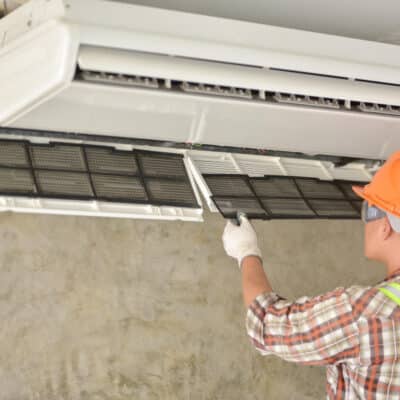
Biological contaminants are a big part of poor indoor air quality. That includes pet dander, dust mites, and mold. In Florida’s humid climate, mold spores can grow in dark, damp areas, including ductwork. If you notice a musty smell when the A/C turns on, it may be a sign you need air duct cleaning. Over time, ducts can spread allergens through the home if dust and debris build up inside them. There are several signs it’s time for home air duct cleaning, including dusty vents or allergy symptoms that seem to get worse indoors.
External Factors and HVAC Health
Outdoor pollution doesn’t stay outdoors. Pollen, exhaust, and even wildfire smoke can infiltrate your home. Research shows that indoor air quality can be compromised by up to 20 times during and after a wildfire event. Even if the fire is hundreds of miles away, fine particulate matter (PM2.5) can find its way inside through “infiltration”—the natural leakage of air through cracks in windows and doors.
Fuel-burning appliances like gas stoves and water heaters can hurt indoor air quality if they are not vented properly. They may release carbon monoxide and nitrogen dioxide, which are harmful and hard to detect without the right equipment. That is one reason why air duct cleaning is essential. Clean, unobstructed ducts support healthy airflow and can help reduce the buildup of dust and debris inside the system.
Proven Indoor Air Quality Solutions for Your Home
Once we identify the “gunk” in your air, we need a strategy to get it out. We recommend a multi-layered approach that targets different types of pollutants.
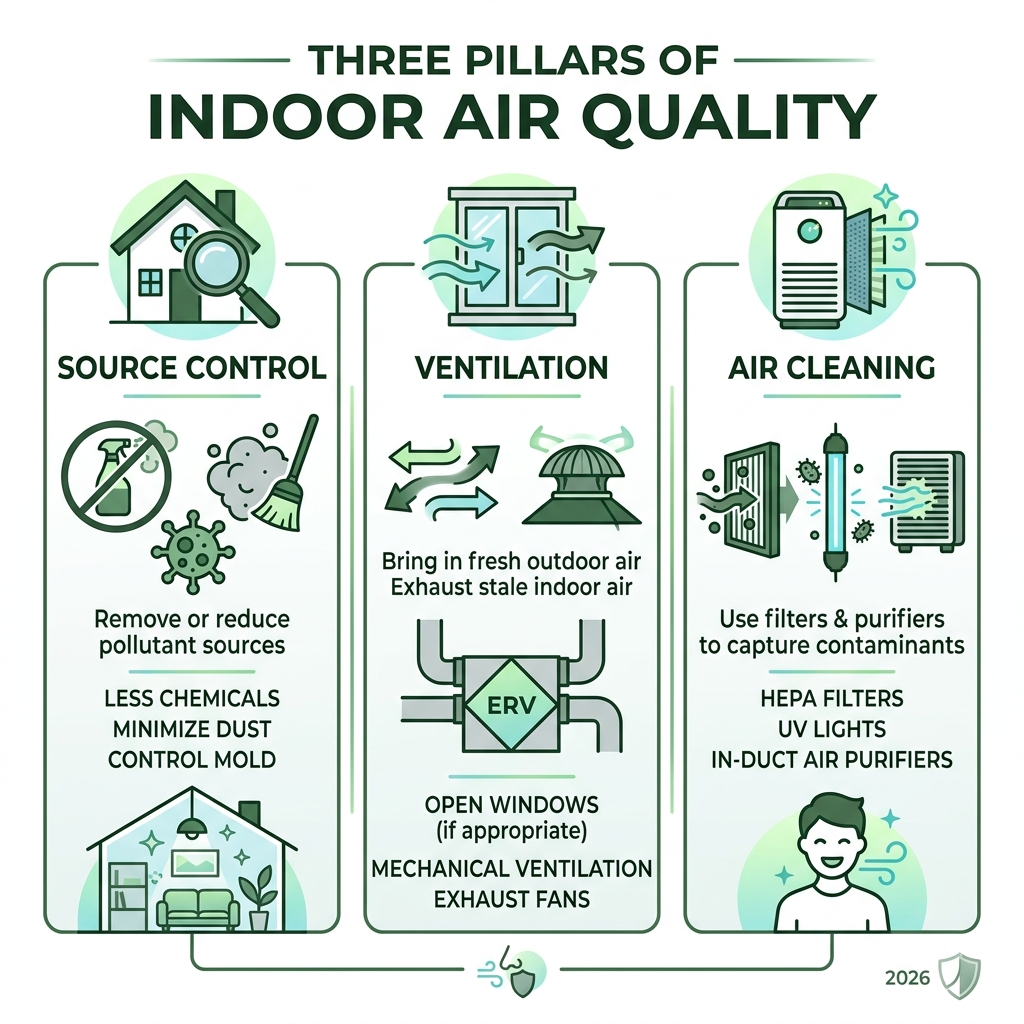
The Three-Part Strategy
-
Source Control: This is the first and often most effective step. Reduce pollutants at the source by choosing lower-VOC products, managing dust and pet dander, and addressing materials or appliances that may release harmful particles or gases.
-
Mechanical Ventilation: Many Florida homes are tightly sealed for energy efficiency, which can also trap stale indoor air. Systems like HRVs and ERVs bring in fresh outdoor air and move out polluted indoor air while helping reduce energy loss. This approach aligns with ASHRAE guidance for healthier air exchange.
-
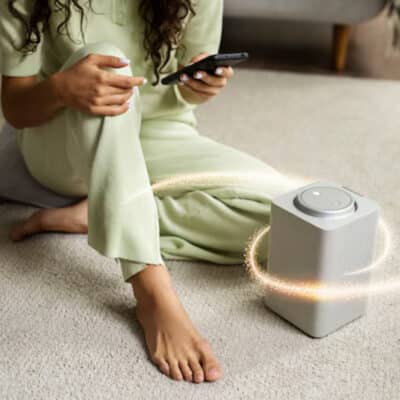
Air Cleaning: This is where filtration and purification help fill the gaps. A home air purifier can help in a single room, but whole-home systems often provide broader coverage. The benefits of a whole home air purifier include continuous treatment throughout your home without relying on several separate portable units.
Comparison of Air Cleaning Technologies
| Technology | Best For | How it Works |
|---|---|---|
| HEPA Filtration | Particulates (Dust, Pollen) | Traps 99.97% of particles 0.3 microns or larger. |
| UV-C Germicidal Lights | Biologicals (Mold, Bacteria) | Uses ultraviolet light to scramble the DNA of germs. |
| Activated Carbon | Odors and VOCs | Adsorbs chemical gases and smells into a porous bed. |
Advanced Air Filtration and Purification Technologies as Indoor Air Quality Solutions
When standard 1-inch filters aren’t enough, we look toward advanced indoor air quality solutions.
HEPA Standards and MERV Ratings Most “off-the-shelf” filters have a MERV (Minimum Efficiency Reporting Value) rating between 1 and 8. For real air quality improvement, we recommend MERV 11 to 16. Higher MERV ratings can trap smaller particles, but they also restrict airflow. We can help you find the “sweet spot” where your air is clean, but your A/C isn’t struggling to breathe.
Active purification
Some systems do not wait for polluted air to pass through a filter. Technologies like photocatalytic oxidation and electrostatic precipitation actively target certain airborne particles and contaminants. For example, you can learn more in kill viruses in your home with air scrubber by aerus. These systems are typically installed in ductwork and work alongside your HVAC system to help reduce contaminants in the air.
Yes, it helps your HVAC system too. Cleaner ducts and better HVAC performance are backed by how airflow systems work. Cleaner air means less dust on cooling coils, better heat transfer, and often lower energy use. On top of that, home air purifiers cut down dust, so your home stays cleaner, and you spend less time dusting.
Humidity Control as Part of Comprehensive Indoor Air Quality Solutions
In Florida, humidity isn’t just a comfort issue; it’s an air quality issue. High humidity (above 60%) is an invitation for mold and dust mites to move in.
The Dehumidification factor
A whole-home air purifier helps with humidity when it works alongside your A/C system to remove excess moisture from the air. Drier air usually feels cooler, so many homeowners stay comfortable at a higher thermostat setting and may reduce energy use.
Mold Prevention and Comfort
Managing indoor humidity is one of the best ways to reduce respiratory discomfort and lower the risk of mold growth. When ductwork stays damp, it can trap moisture and support biological contaminants. Choosing to improve indoor air quality by cleaning ducts can help remove buildup that traps moisture and debris. The benefits of air duct cleaning go beyond fresher air. They can also support a cleaner HVAC system and help limit conditions that allow mold to spread.
The Role of Professional IAQ Testing and Monitoring
You can’t fix what you can’t measure. Many homeowners “feel” like their air is bad but aren’t sure why. That’s where professional testing comes in.
Establishing Baseline Data
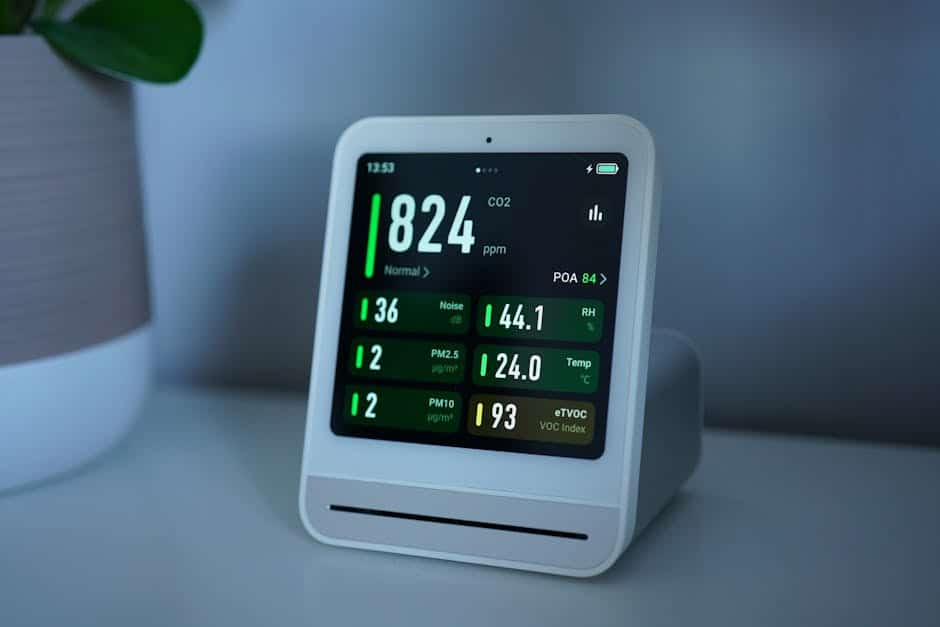
Professional-grade sensors can track PM2.5, VOCs, CO2, and humidity to show what is really happening in your home. IAQ monitoring keeps Florida homes safe. Real-time readings during sleeping, cooking, and cleaning help create a clearer starting point and guide the right solution for your home’s needs.
There are 3 reasons you might need urgent HVAC duct cleaning:
- Visible mold growing inside the ductwork.
- Evidence of insects or rodents in the system.
- Heavy buildup of dust and debris blocking airflow.
If you notice signs you need air duct cleaning in Bradenton, such as dirt trails around your supply registers, do not wait. The longer pollutants remain in your system, the harder they are to remove and the more they can affect your indoor air and health.
Frequently Asked Questions about IAQ
How often should I replace my air filters in Florida?
In the Bradenton and Sarasota area, we recommend checking your filters every 30 days. Because our A/C systems run almost year-round and we deal with high pollen counts, filters clog faster than the “3-month” recommendation on the box suggests. If you have pets or smokers in the home, you might need to change them even more frequently to maintain optimal indoor air quality solutions.
Can air purifiers really remove viruses and bacteria?
Yes, but it depends on the technology. HEPA filters are excellent at trapping bacteria and some larger viruses. However, for total sanitization, you want a system that uses UV-C light or PCO (Photocatalytic Oxidation). These technologies actively “kill” or deactivate the DNA of pathogens, preventing them from reproducing.
Why is indoor air often more polluted than outdoor air?
It’s a “trapping” effect. Modern homes are built with tight seals to keep the cool air in. Unfortunately, this also keeps the dust, pet dander, skin cells, and chemical fumes in. Without active ventilation or high-level filtration, these pollutants just circulate through your HVAC system over and over, becoming more concentrated over time.
Conclusion
Improving your home’s air isn’t just about buying a fancy filter; it’s about creating a comprehensive ecosystem that supports your health. At Air Shield Heating & Cooling, we’ve been family-owned since 2014, and we treat every home like it’s our own. Whether you’re in Ellenton, Palmetto, or right here in Bradenton, we’re ready to help you breathe easier.
We offer everything from basic air quality testing to advanced whole-home purification installs. With our 24/7 emergency response, free replacement estimates, and veteran discounts, we make it easy to prioritize your family’s well-being. Don’t let poor air quality affect your sleep, focus, or health. Contact our air purification specialists today to find the perfect indoor air quality solutions for your Florida home.