
Why Furnace Heat Exchanger Inspection Matters in Bradenton, FL
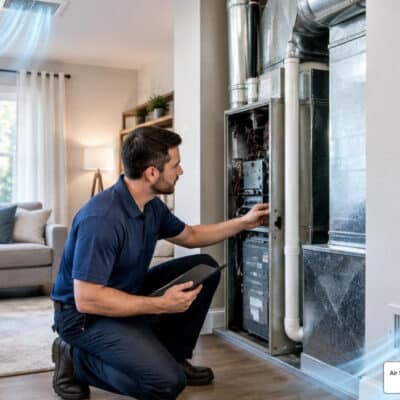
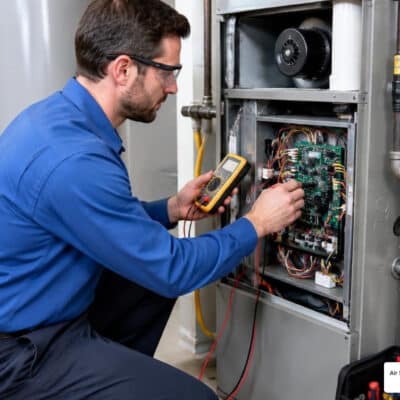
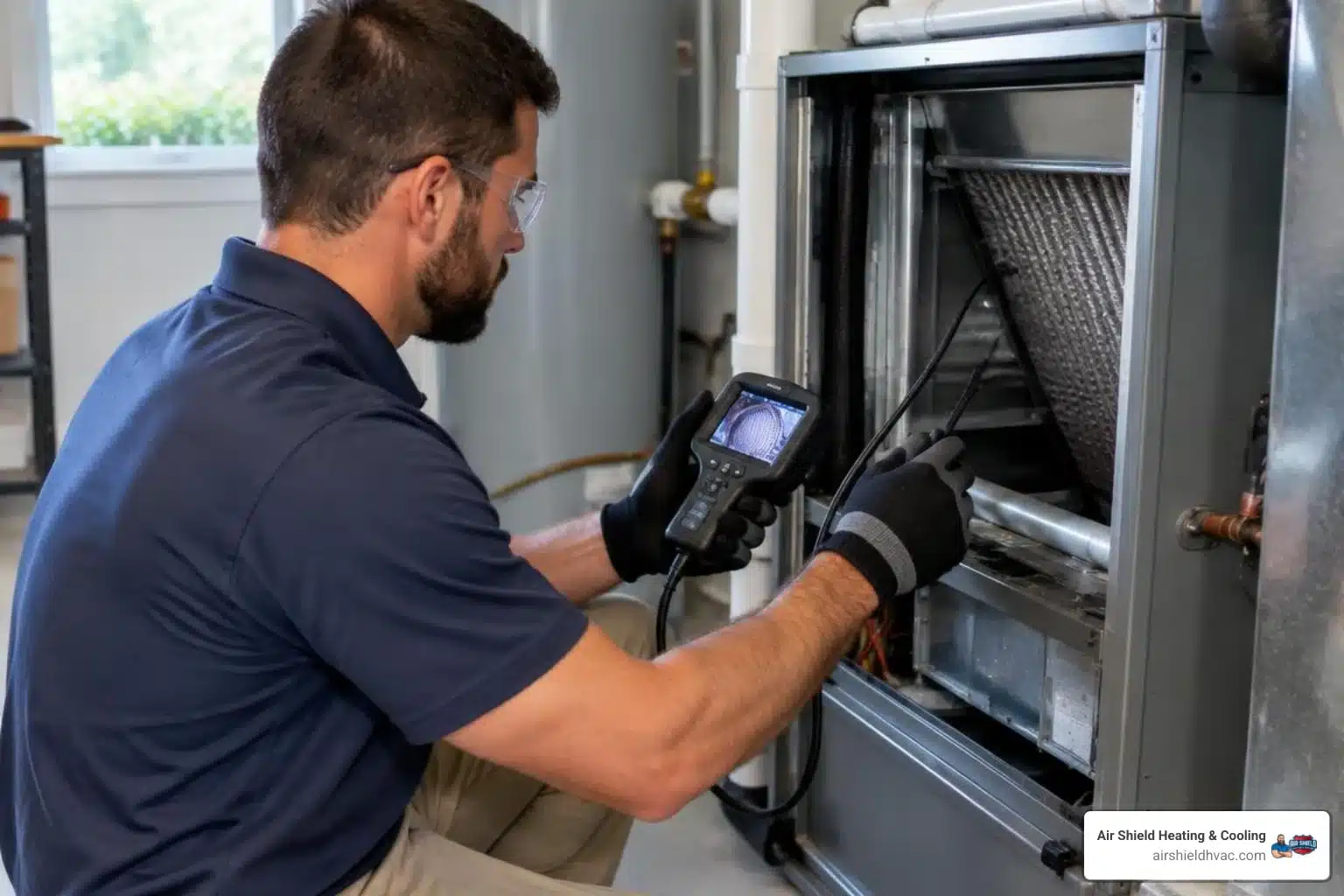
Heat exchanger inspection starts with safety: a qualified HVAC technician shuts off electrical power and gas, checks airflow and combustion, and examines the heat exchanger for rust, soot, corrosion, loose connections, and cracks. A visual inspection may be supported by a borescope and combustion analyzer to identify signs that flue gases, including carbon monoxide, could be escaping where they do not belong.
Your furnace heat exchanger separates combustion gases from the air moving through your home. When it is dirty, corroded, or cracked, heating performance can decline, energy use can rise, and indoor-air safety can become a concern. In Bradenton, FL, humidity, salt-influenced coastal air, and long periods without heating can make routine maintenance especially valuable when cooler nights return.
The Air Shield Heating & Cooling team brings decades of HVAC experience to heat exchanger inspections, helping Manatee County homeowners make practical, safety-focused decisions about furnace maintenance and repairs.
What Is a Heat Exchanger and Why Regular Evaluation Matters
The heat exchanger is the physical heart of any fuel-burning heating system. When your thermostat signals for heat, the burners ignite inside the combustion chamber, sending intense heat and toxic byproducts (such as carbon monoxide, sulfur dioxide, and unburned hydrocarbons) through a network of metal passageways. In residential systems, these are commonly stamped clamshell chambers or serpentine steel tubes. The indoor blower fan pushes return air over the exterior surfaces of these hot metal chambers. The metal transfers thermal energy to the passing air without allowing combustion exhaust to mix with the breathable air in your living spaces.
Because this barrier keeps harmful flue gases isolated, its structural integrity is critical. When a breach develops, dangerous exhaust fumes can enter your ductwork, leading to severe indoor air quality problems and potential carbon monoxide poisoning. Furthermore, an altered pressure balance within the chamber can lead to flame rollout, where flames spill out of the burner compartment and ignite surrounding wiring or structural components. Recognizing the subtle signs you need heating system repair early on helps prevent dangerous system failures.
In coastal Florida communities like Bradenton Beach, FL, and Holmes Beach, FL, furnaces often sit idle in humid garages, closets, or unconditioned attics for eight to nine months every year. Understanding the common furnace issues in Bradenton homes requires looking at how intense ambient moisture interacts with metals during long off-seasons. Without regular evaluations, oxidation and metal fatigue can silently compromise the system before you switch it on for the first cold front of winter.
Common Failure Modes and Corrosion Risks
During normal operation, a furnace heat exchanger expands and contracts repeatedly as it heats up and cools down. This thermal cycling generates microscopic mechanical stress along factory bends, welds, and crimped seams. Over time, that continuous movement causes thermal fatigue, which eventually leads to stress fractures.
In our region, environmental factors accelerate these mechanical breakdown mechanisms:
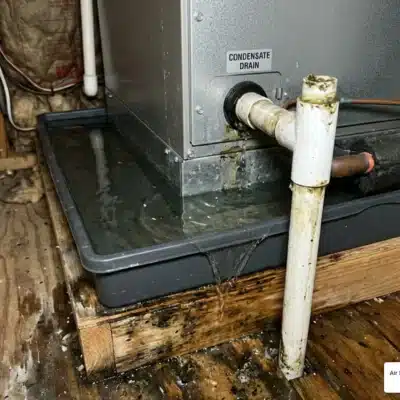
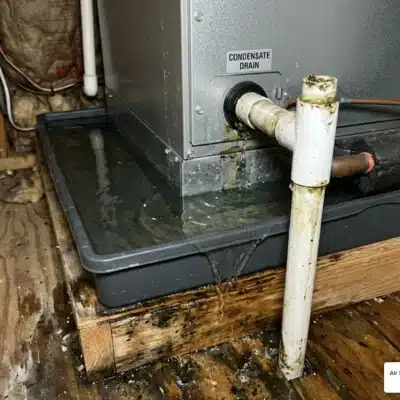
- Acidic Condensation: High-efficiency condensing furnaces produce acidic condensate during the combustion process. If the drainage lines become clogged or restricted, corrosive moisture pools inside the secondary coil, rapidly eating through the metal.
- Salt Air Oxidation: Airborne chlorides from coastal breezes across Sarasota Bay penetrate indoor mechanical spaces, reacting with untreated carbon steel and low-grade alloys to create deep pitting.
- Restricted Airflow Stress: Dirty air filters, undersized ductwork, or blocked supply registers starve the furnace of adequate airflow. Without sufficient air volume to absorb the heat, the internal metal reaches extreme temperatures, accelerating metal fatigue and warping the internal baffles.
- Microscopic Hairline Cracks: Cracks frequently begin at the molecular level around rivet points or high-stress radiuses. While they may remain sealed when the furnace is cold, they expand significantly under operating heat, leaking flue gases directly into the supply airstream.
Professional Heat Exchanger Inspection: Step-by-Step Guide
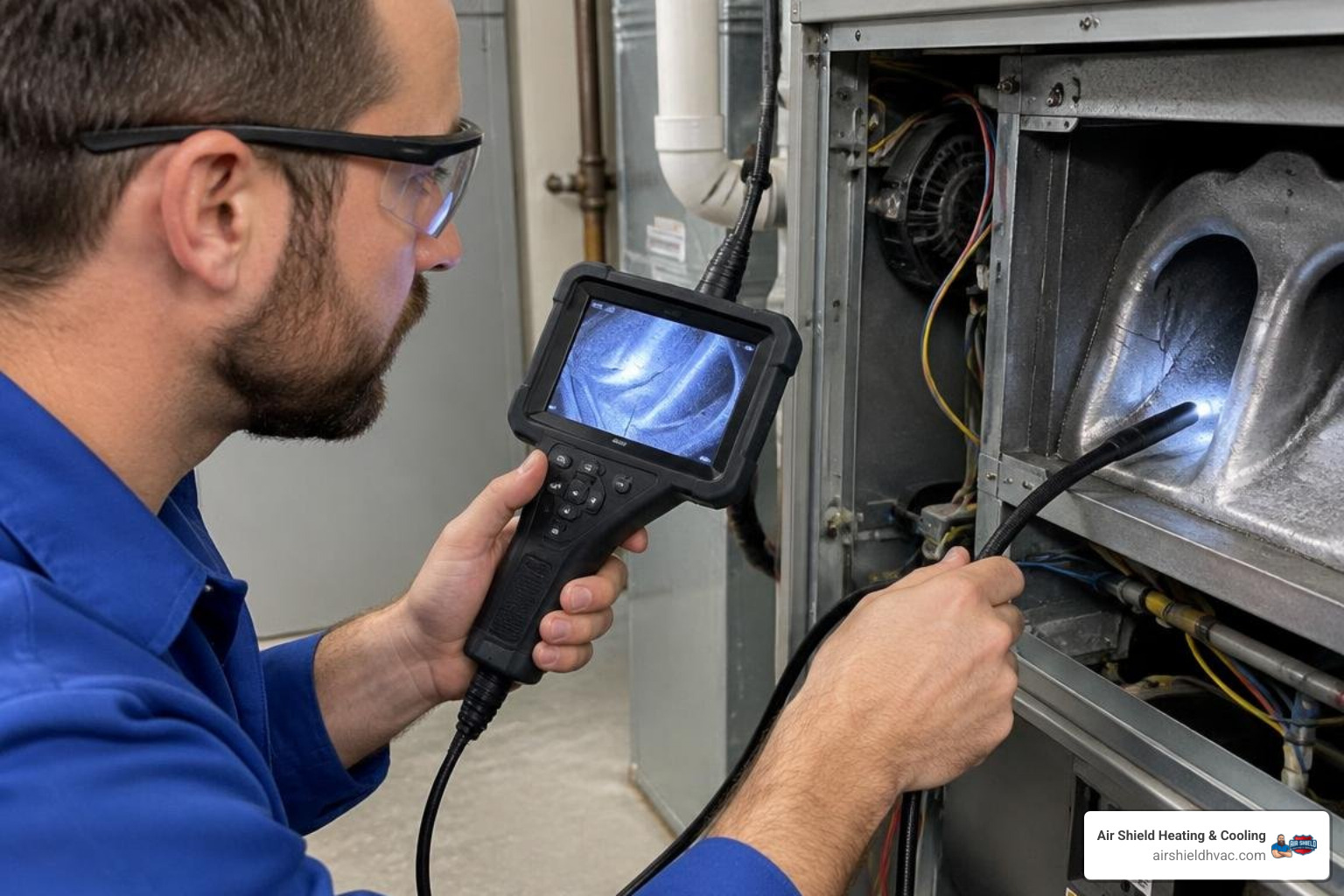
A thorough evaluation requires specialized diagnostic tools, systematic procedures, and strict adherence to technical protocols. It is not a job that can be completed by simply shining a flashlight into the burner vestibule.
Homeowners can easily replace air filters and keep vents clear, but evaluating internal combustion passages requires specialized instruments and advanced mechanical certifications. If you ever suspect a combustion leak, smell sulfur or burning metal, or observe yellow, flickering burner flames, turn the system off immediately and call an experienced HVAC professional.
Every comprehensive assessment follows a structured protocol:
- Electrical and Fuel Isolation: Technicians initiate a complete lockout/tagout by cutting electrical power at the service breaker and closing the manual gas shutoff valve to eliminate accidental ignition hazards.
- Vestibule and Burner Assembly Removal: The technician removes the furnace access doors, burner assembly, and flame rollout shields to obtain a direct line of sight into the heat exchanger inlets.
- Draft Diverter and Flue Pipe Verification: The venting system is disconnected and inspected for physical blockages, bird nests, soot accumulation, backdrafting conditions, or rusted exhaust pipes.
- Optical Borescope Exploration: A high-definition, flexible articulating borescope is guided deep into each individual serpentine tube or clamshell cell, inspecting blind curves and rear weld seams for micro-fractures, rust flaking, and structural deformities.
- Combustion Chamber Static Pressure Analysis: Differential pressure gauges check the draft integrity across the heat exchanger cells to confirm the exhaust induces smoothly without internal resistance.
- Live Operating Diagnostics: Power and gas are restored to conduct dynamic operational tests, evaluating flame behavior, static pressure drop, and real-time combustion gas chemistry.
Scheduling these comprehensive diagnostic procedures is essential, which is why investing in an annual HVAC checkup is vital for keeping your home protected year after year.
Key Parameters Monitored During Heat Exchanger Inspection
Professional assessment relies on quantifiable physical metrics rather than guesswork. Technicians evaluate several core parameters during operation:
- Temperature Rise Profiles: Every furnace has an engineering data plate that lists the factory-specified design temperature rise (the difference between the return air temperature and the heated supply air temperature). If the measured temperature rise exceeds the maximum threshold, the heat exchanger is running dangerously hot and risking structural failure.
- External Static Pressure (ESP): Measuring the total static pressure differential across the indoor blower and cooling coil shows whether airflow resistance is overtaxing the furnace structure.
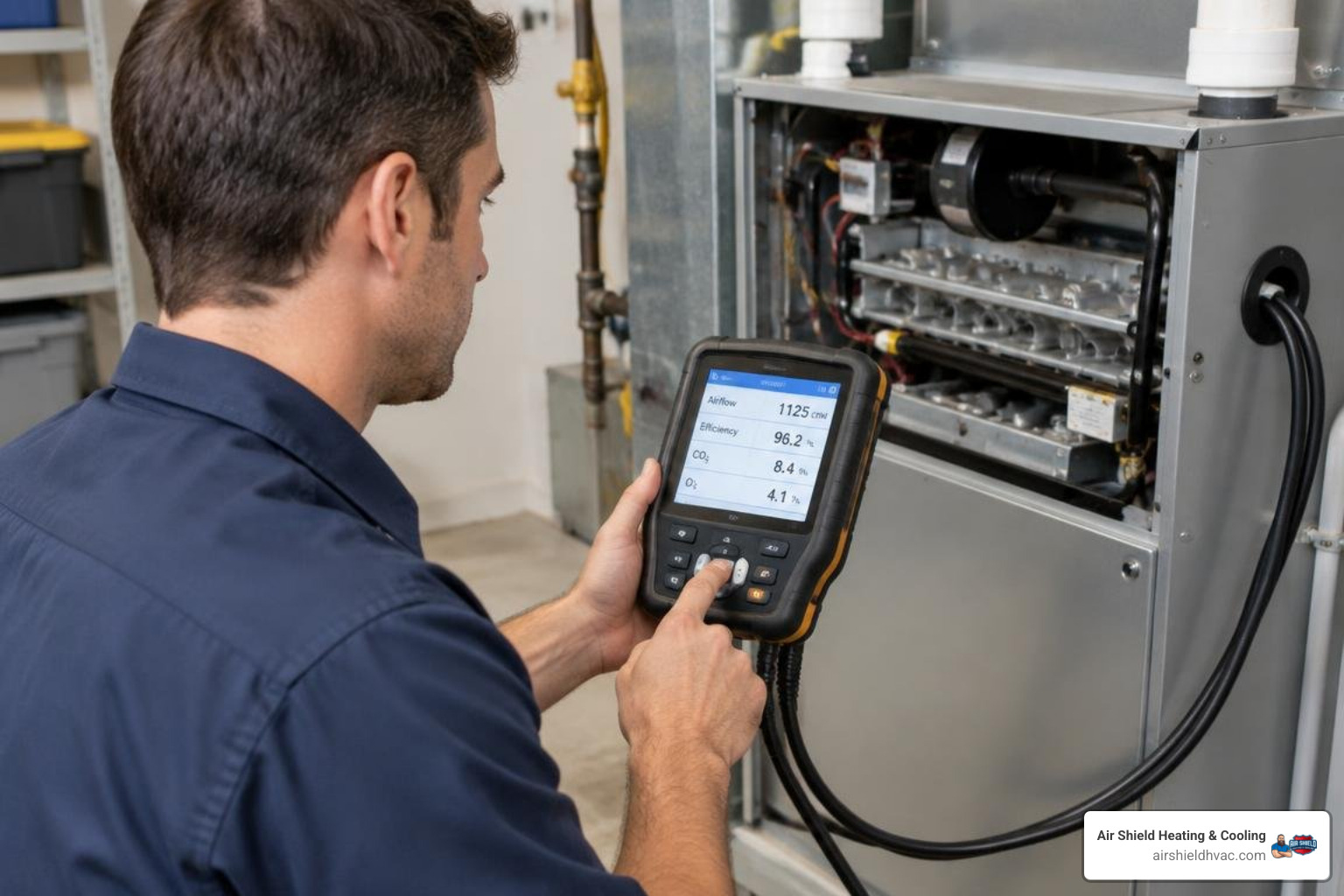
- Combustion Flue Draft and Chemistry: Using an electronic flue gas analyzer, technicians measure oxygen balance, carbon dioxide percentages, and parts per million (PPM) of carbon monoxide (CO) in the raw exhaust. Elevated CO readings point toward incomplete combustion, often caused by cracked baffles, flame impingement, or dirty burners.
- Airflow Velocity: Confirming the evaporator coil and duct connections pass adequate cubic feet per minute (CFM) prevents hot spots from developing along the metal walls.
Advanced Non-Destructive Heat Exchanger Inspection Methods
In both residential diagnostics and high-demand commercial mechanical rooms, non-destructive testing (NDT) methodologies allow technicians to examine metal integrity without dismantling or damaging equipment.
- High-Resolution Video Borescopes: Articulating digital probes equipped with adjustable LED lighting allow technicians to view tight interior radiuses that are completely invisible from the outside.
- Ultraviolet Dye Penetrant Testing: Specialized chemical penetrants applied to cleaned metal surfaces seep into sub-surface fissures. Under an ultraviolet inspection light, these dyes glow brightly, revealing hairline cracks that the naked eye would miss.
- Eddy Current Array (ECA) Testing: Used extensively in commercial process heat exchangers and large mechanical plants, eddy current testing introduces electromagnetic fields into conductive tubing to detect wall thinning, pitting, and material loss without stripping protective surface coatings. Advanced high-frequency eddy current tools can pinpoint wall degradation down to minute fractions of a millimeter.
- Internal Rotary Inspection System (IRIS): For heavy-duty fluid and gas heat exchangers, IRIS leverages an ultrasonic immersion pulse-echo probe driven by a water turbine. The rotating mirror yields complete 360-degree wall thickness mapping to quantify internal erosion and corrosion.
- High-Speed Ultrasonic Weld Scanning: Multi-probe ultrasonic scanners assess structural weld joints at high speeds, using time-of-flight acoustic reflections to locate micro-voids, root cracking, and material thinning along structural headers.
Performance Modeling, Fouling Prevention, and Maintenance Optimization
Over months of operation, particulate matter, airborne dust, household fibers, and soot build up on both the interior and exterior surfaces of a heat exchanger. This layer of contamination acts as an unwanted thermal insulator, drastically slowing the rate of heat transfer from the burning gas into the circulating air. As a result, heat that should be warming your home gets wasted up the exhaust stack.
In large-scale industrial and commercial applications, plant engineers use computational platforms such as MATLAB to perform regression modeling, solve boundary value ordinary differential equations (ODEs), and run thermal pinch analysis. These mathematical simulations plot temperature interval diagrams and track how progressive fouling decreases the overall heat transfer coefficient over time. By calculating the exact point where efficiency losses exceed the cost of downtime, facility operators can transition from reactive emergency repairs to optimized predictive maintenance.
While a homeowner in Palmetto, FL, or Lakewood Ranch, FL, won’t need to run differential equations, the underlying thermodynamic principles are identical. When dust settles on your furnace cells, burner flames can begin to impinge directly against fouled metal surfaces, creating localized hot spots that rapidly accelerate thermal fatigue. Enrolling in regular heating maintenance keeps your equipment clean, safeguards system efficiency, and resolves minor buildup before it leads to a cracked chamber.
| Inspection Method | Detection Capability | Surface Preparation Required | Primary Application Environment | Speed & Coverage |
|---|---|---|---|---|
| Standard Visual & Mirror | Large surface fractures, visible corrosion, flame rollout | Low; basic surface wiping | Residential furnaces, rooftop packaged units | Fast; limited to direct line-of-sight |
| Digital Video Borescope | Hairline cracks, internal baffle fatigue, hidden rust | Moderate; removing access panels | Residential & light commercial HVAC equipment | Moderate; thorough internal curve inspection |
| Combustion Analysis | Incomplete combustion, draft leakage, high CO output | None; tests flue gas dynamically | All fuel-burning residential & commercial furnaces | Rapid; indirect indicator of heat exchanger breach |
| Eddy Current Array (ECA) | Sub-surface cracks, localized wall thinning, pitting | High; interior tube scale must be flushed | Industrial shell-and-tube exchangers, chillers | Fast continuous scanning across conductive tubes |
| Ultrasonic IRIS Testing | Quantitative wall thickness loss, deep internal pitting | High; requires flooded tube water coupling | Power generation, heavy industrial process exchangers | Slower speed; delivers 360-degree wall thickness profile |
Repair vs. Replacement: Making the Right Decision for Your System
When an inspection reveals a cracked, severely corroded, or warped heat exchanger, homeowners face a critical question: should you repair the existing unit or invest in a full replacement?
According to standards set by the American Gas Association, any heat exchanger that exhibits a through-metal crack, visible rupture, or compromised structural weld cannot be safely repaired with field welding, high-temperature epoxies, or mechanical patches. The continuous expansion and contraction of heating cycles will inevitably compromise any topical patch, creating an immediate carbon monoxide hazard. Therefore, the only legitimate repair option is ordering and installing an entirely new factory-built heat exchanger assembly.
Making the right decision between installing a replacement heat exchanger assembly and replacing the complete furnace involves several important factors. For a newer unit with a valid warranty, a professional furnace repair visit can help determine whether a factory replacement assembly is a sensible option.
- Equipment Age: If your furnace is under 10 years old and the manufacturer provides strong heat exchanger warranty protection, a factory replacement heat exchanger may be a sensible option.
- Expected Lifespan: Residential heating systems generally deliver a reliable operational lifespan of 15 to 20 years. If your furnace is 12 to 15 years old, investing in an expensive major component rebuild is rarely practical, as the blower motor, draft inducer, and electronic control boards may also be approaching the end of their service life.
- Energy Efficiency Gains: Modern high-efficiency furnaces can offer improved efficiency and updated safety controls compared with much older equipment. A qualified technician can explain whether replacement makes sense for your system.
- Overall System Compatibility: In warm coastal regions, heating equipment is frequently paired with high-performance cooling systems. A properly matched system supports appropriate duct sizing, airflow, and year-round comfort.
Frequently Asked Questions About Furnace Safety and Maintenance
How often should a furnace heat exchanger be inspected?
A furnace heat exchanger should undergo a comprehensive professional inspection at least once every year before the winter heating season begins. Regular annual evaluations identify subtle rust deposits, clearing blockages and addressing minor burner malfunctions before they progress into hazardous structural cracks.
What are the primary signs of a cracked heat exchanger in a home?
Common indicators include persistent soot accumulation along the burner access panels, a distinct sharp or chemical odor when the furnace runs, yellow or wildly flickering burner flames instead of a stable blue flame, and frequent nuisance trips of the flame rollout switch. Frequent headaches, dizziness, or recurring physical fatigue among occupants can also indicate dangerous combustion leaks.
Can a cracked heat exchanger be repaired safely or must it be replaced?
A cracked heat exchanger cannot be safely repaired using welding, brazing, or high-temperature sealants. The extreme temperature variations that occur during normal heating cause patched areas to expand, contract, and fail quickly. Industry safety codes require either replacing the entire heat exchanger assembly or upgrading the full furnace.
What causes a heat exchanger to fail prematurely in coastal Florida?
Premature failures throughout coastal Florida are largely driven by excessive ambient humidity and airborne salt mist, which enter mechanical closets and corrode idle equipment during the long summer months. Persistent short-cycling caused by oversized systems or restricted airflow from dirty air filters also creates excessive thermal fatigue.
How do HVAC technicians test for carbon monoxide leaks during an inspection?
Technicians insert calibrated electronic combustion gas analyzers directly into the flue pipe and supply air streams to measure carbon monoxide levels in parts per million. They also utilize high-resolution optical borescopes and chemical tracer tests to spot physical breaches in the metal walls.
What is the difference between visual inspection and non-destructive testing (NDT)?
A visual inspection relies on direct line-of-sight viewing using mirrors, lights, and flexible digital borescopes to locate obvious cracks and flaking rust. Non-destructive testing incorporates advanced technological methods such as ultraviolet dye penetrants, eddy current arrays, or ultrasonic scanning to detect microscopic subsurface flaws, stress fatigue, and wall thinning without taking the equipment apart.
How does soot and mineral fouling impact furnace heating efficiency?
Soot and particulate deposits create an insulating thermal barrier along the internal chamber walls, reducing the system’s ability to transfer heat into the circulating indoor airstream. This forces the burners to run longer, elevates internal operating temperatures, wastes fuel, and accelerates structural metal fatigue.
Can computational performance modeling predict heat exchanger failure?
Yes, engineering simulation platforms can monitor operating variables such as pressure drops, inlet and outlet fluid temperatures, and fuel consumption to detect declines in the overall heat transfer coefficient. Identifying these patterns helps technicians schedule maintenance before structural failures occur.
What safety protocols must be followed before inspecting a furnace?
Technicians must always disconnect the electrical power supply via the main breaker, close the manual gas supply valve, and allow the system to cool completely. Technicians must also wear protective gear, verify that carbon monoxide monitors are active, and test the surrounding workspace for flammable gas before beginning any hands-on inspection work.
When is it more cost-effective to replace the entire furnace rather than just the heat exchanger?
Replacing the complete furnace is generally the better investment if the current system is more than 10 to 12 years old, requires out-of-warranty replacement parts, or operates at a low AFUE efficiency rating. Installing a new system provides updated safety features, full manufacturer warranty coverage, and lower ongoing operating costs.
Safe and Reliable Heating Performance
Taking a proactive approach to furnace safety protects your family from indoor air hazards while keeping your heating system operating smoothly through the winter months. By identifying microscopic cracks, removing corrosive soot deposits, and optimizing combustion performance, routine inspections deliver dependable comfort, lower utility bills, and long-term peace of mind.
For trusted, family-owned heating and cooling care across Manatee County, turn to Air Shield Heating & Cooling. Whether you need an in-depth safety check, seasonal maintenance, or advice on your heating equipment, contact our professional heat exchanger inspection technicians today.