
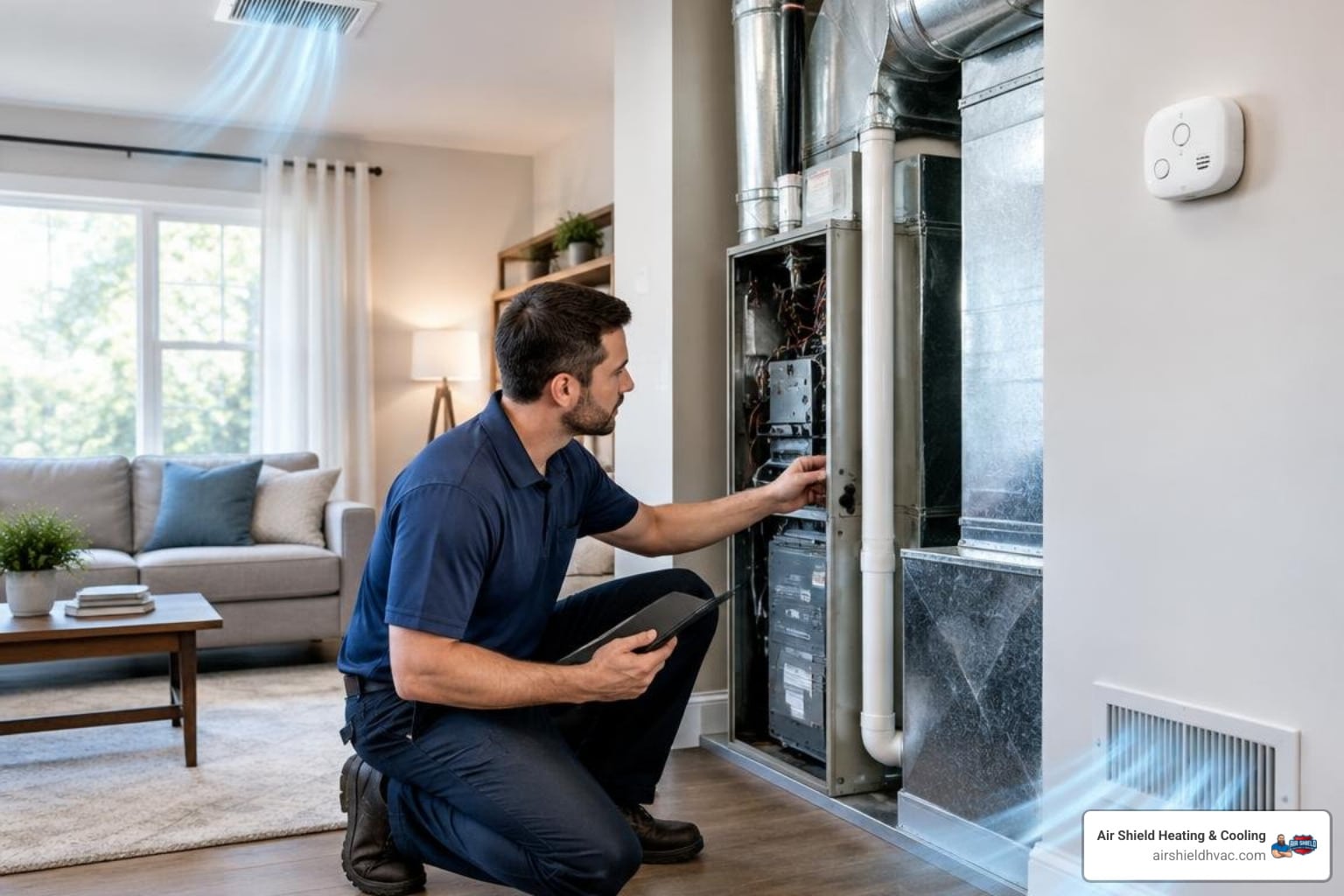
Understanding the Role of a Carbon Monoxide Detector HVAC System Setup
A carbon monoxide detector HVAC setup protects your home by monitoring the air circulating through your forced-air heating and cooling system. When a furnace develops a crack in its heat exchanger or a venting fault occurs, toxic carbon monoxide can enter the ductwork. Integrated detectors sample this moving air and trigger an immediate blower shutdown, preventing the gas from spreading into bedrooms and living areas. For comprehensive safety, homeowners should combine duct-mounted sensors with in-room point detectors, test all units monthly, and schedule annual professional inspections.
When fuel-burning appliances operate, they rely on a precise balance of oxygen and fuel to generate warmth safely. When this combustion process is disrupted, incomplete combustion occurs, producing carbon monoxide (CO). In homes with central heating systems, this toxic byproduct presents a serious risk because the air handler actively pulls air through return grilles and distributes it into every occupied room.
Understanding this dynamic is crucial for every homeowner. A furnace generates heat inside a sealed metal chamber called a heat exchanger. Air from your home blows across the outside of this metal surface, absorbing warmth before traveling through the ductwork. As long as the combustion gases remain inside the exchanger and vent safely outside through the flue pipe, your indoor air stays safe. However, recognizing the early signs of heating trouble can help you identify developing hazards before toxic exhaust escapes into your living space.
How Heating Systems Produce Carbon Monoxide
Carbon monoxide is not produced when a system is running properly. It occurs when mechanical failures disrupt normal operation. The most common cause in residential forced-air systems is a cracked or corroded heat exchanger. Over years of thermal expansion and contraction, metal components can develop micro-fractures or rust holes. When the indoor blower turns on, the pressure difference can pull poisonous exhaust gases directly into the circulating air stream.
Other major contributors include:
- Blocked or improperly pitched flue exhaust pipes
- Backdrafting caused by negative air pressure in tight mechanical rooms
- Misaligned or dirty burners that starve the flame of combustion air
- Failing exhaust draft inducer motors that fail to push fumes outdoors
Homeowners facing common furnace issues in Bradenton, FL often overlook these combustion dynamics because our mild winters mean heating systems sit idle for months, allowing soot, rust, or even pest nests to accumulate in flue pipes before the first cold snap.
Why a Carbon Monoxide Detector HVAC Integration Is Vital for Early Warning
Standard point detectors mounted on hallway walls serve an important role, but integrating detection directly into your HVAC ductwork or system controls adds a powerful layer of life safety. A duct-mounted detector samples the rapid air current moving through the supply or return plenum.
When dangerous combustion gas accumulation is identified within the airflow, specialized integrated controls can immediately open safety relays. This triggers an automated air handler shutdown, stopping the blower fan from circulating contaminated air throughout your bedrooms and living areas. Engineering standards outline strict criteria for gas detection systems to ensure commercial and residential facilities stop hazardous airflow at the first sign of trouble.
Types of Carbon Monoxide Detectors for Heating and Cooling Systems
Choosing the right detection hardware depends on your home layout, the type of heating equipment you use, and whether you want localized or system-wide protection.
| Detector Type | Primary Location | Sensing Technology | System Interaction | Best Application |
|---|---|---|---|---|
| Duct-Mounted Detector | Supply or Return Ductwork | Electrochemical Cell with Sampling Tube | Automated Blower Shutdown & Gas Valve Cutoff | Central forced-air systems, commercial spaces, dual-fuel setups |
| In-Room Point Detector | Hallways, Bedrooms, Living Rooms | Electrochemical or Metal-Oxide Sensor | Audible 85 dB Alarm, Digital PPM Display | Residential sleeping areas, multi-story living spaces |
| Dual Toxic Gas Sensor | Mechanical Rooms, Attached Garages | Multi-gas Electrochemical Array | BMS / Control Board Alert & Ventilation Boost | Facilities with gas heating, vehicles, or multi-fuel appliances |
Duct-Mounted CO Detectors and Airflow Probes
Duct-mounted detectors use specialized sampling tubes that extend across the width of your supply or return ductwork. As air flows through the duct at speeds between 100 and 4,000 feet per minute, small intake holes capture a continuous sample and direct it across an internal electrochemical sensor.
These advanced units measure both instantaneous spikes and the Time Weighted Average (TWA) of gas concentrations. When dangerous levels are detected, internal relays switch instantly. This cuts power to the heating equipment, closes automatic emergency gas valves, and stops the circulation blower. If your system encounters mechanical failure requiring electrical or combustion troubleshooting, scheduling professional furnace repair services ensures safety switches and burner assemblies are inspected by certified technicians.
In-Room Point Detectors vs. Integrated HVAC Sensors
Standalone in-room detectors are essential life-safety devices designed to wake sleeping occupants. They monitor local ambient air in specific zones like hallways and bedrooms. However, an in-room detector only reacts after gas has already traveled through the HVAC ductwork, filled the room, and reached the sensor threshold.
By contrast, integrated HVAC duct sensors provide upstream detection at the source. Combining both systems offers the strongest defense:
- Integrated HVAC sensors catch combustion leaks inside the air stream and stop mechanical distribution.
- In-room point detectors offer direct audible alerts where people sleep and gather.
Understanding the importance of heating system repairs allows you to maintain both your physical heating equipment and the monitoring sensors that keep your household secure.
Strategic Placement and Installation Standards for CO Detection
Proper placement determines whether a detector provides timely warning or fails to alert your family during an emergency. Carbon monoxide has a vapor density similar to ambient air, meaning it mixes evenly throughout living spaces rather than settling near the floor or rising directly to the ceiling.
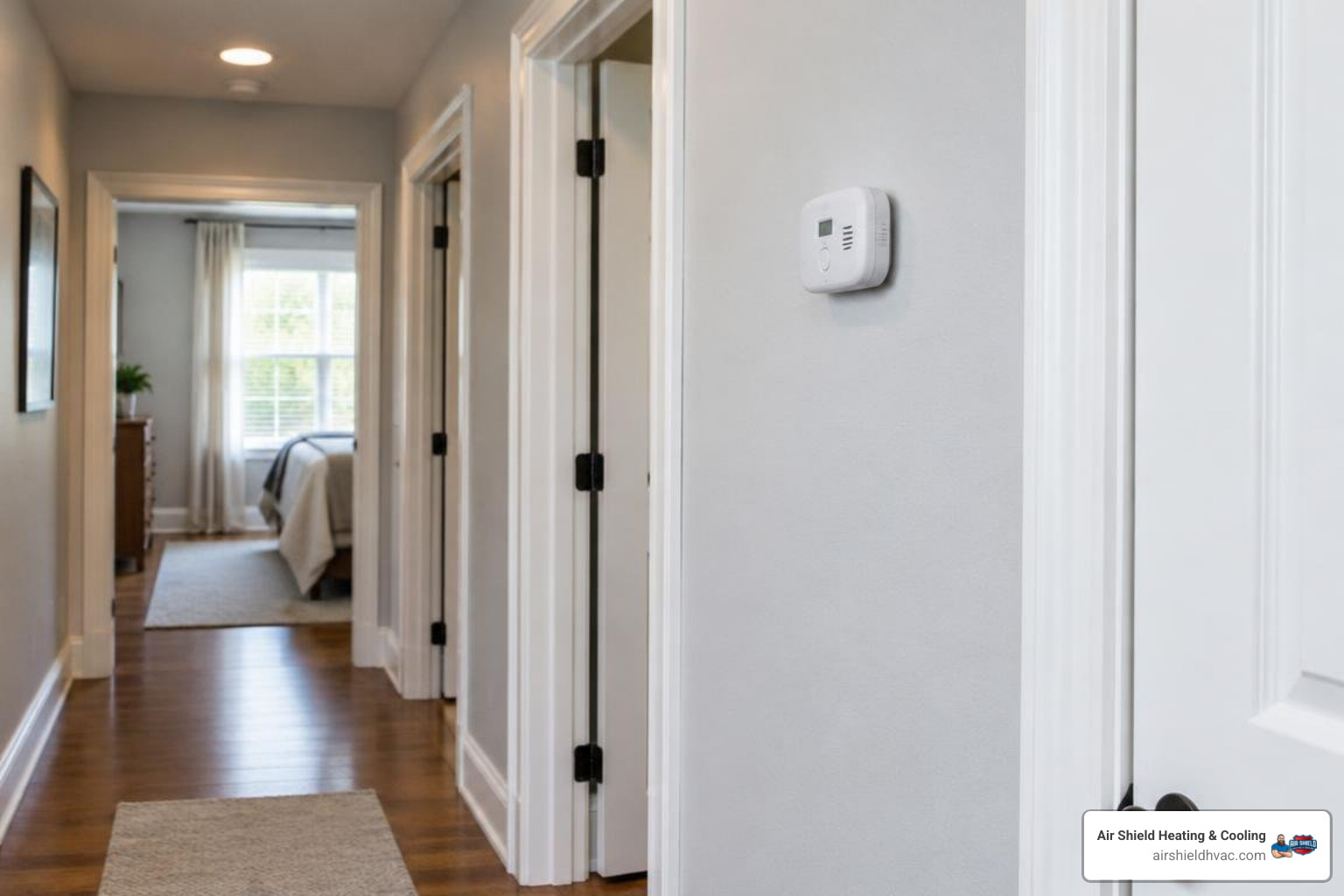
Proper Locations on Every Floor and Near Combustion Equipment
To comply with building codes and ensure comprehensive protection, detectors should be positioned strategically across your floor plan:
- Outside Every Sleeping Area: Mount a detector within 10 to 15 feet of all bedroom doors so the alarm can easily awaken occupants.
- On Every Habitable Level: Install at least one detector on every floor of the home, including finished basements and attics used as living space.
- Near Mechanical Rooms: Place detectors roughly 15 to 20 feet away from gas furnaces, water heaters, or boilers. Placing them too close can cause nuisance alarms from harmless combustion traces during startup.
- Avoid Dead Air Spaces: Never install sensors within 12 inches of corners, directly beside openable windows, or immediately next to high-velocity supply grilles where drafts can blow contaminated air away from the sensor head.
If you are upgrading to an energy-efficient system, pairing your setup with a new furnace installation guarantees that all venting, flue clearances, and detection systems meet modern building codes from day one.
Installing and Calibrating a Carbon Monoxide Detector HVAC Unit Correctly
Installing duct-mounted probes or commercial-grade sensors requires technical precision. When placing duct probes, technical standards such as commercial duct probe specifications recommend orienting the probe with the sintered sensing head pointing vertically downward to prevent condensation or airborne dust from clogging the sensing element.
Key installation best practices include:
- Running low-voltage 24V or 4-20mA signal wiring through dedicated conduits, completely separated from high-voltage AC power lines to eliminate electrical interference.
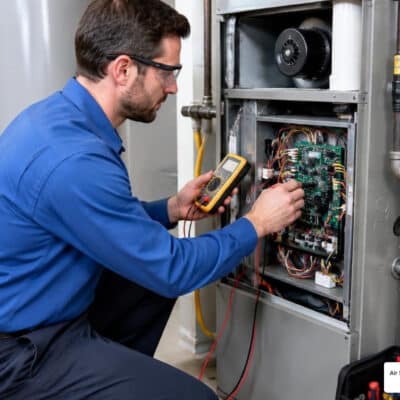
- Verifying supply voltage with a digital multimeter before energizing the control board.
- Performing calibration checks using manufacturer-certified bump test gas rather than uncalibrated combustion sources, which can poison electrochemical cells.
When working with comprehensive heating configurations, involving a licensed technician ensures all control relays integrate seamlessly with your blower safety circuits.
Preventing CO Leaks Through Proactive HVAC Maintenance and Inspection
While detection devices serve as your critical safety net, proactive mechanical care prevents carbon monoxide hazards from developing in the first place. A well-maintained system operates cleanly, efficiently, and safely throughout its operating life.
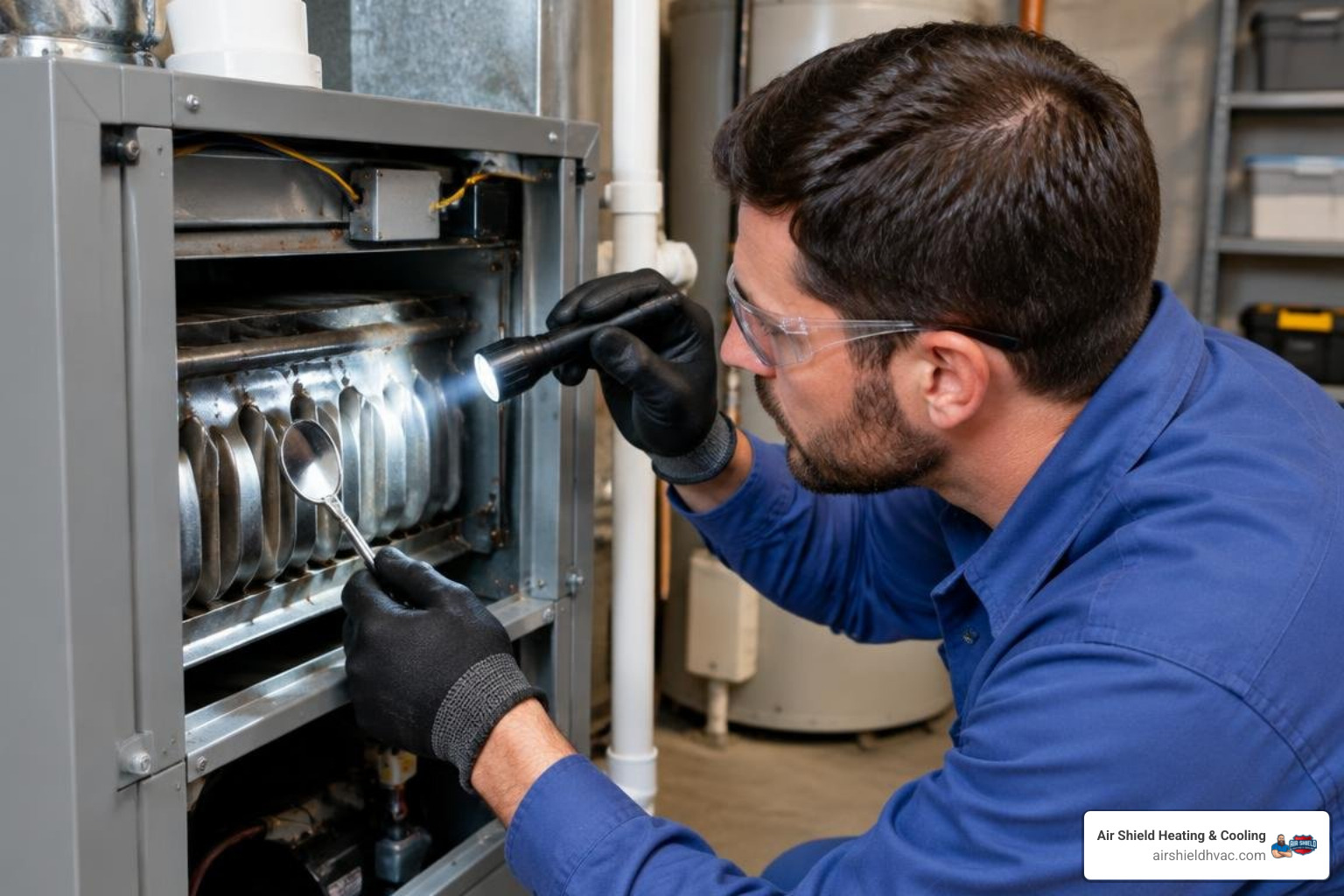
Detecting Heat Exchanger Cracks and Vent Blockages
During a professional inspection, technicians evaluate internal components that homeowners cannot safely access. Using combustion analyzers, infrared cameras, and static pressure gauges, a certified specialist checks for:
- Soot and Discoloration: Black carbon accumulation around burner ports or access doors indicates improper fuel combustion.
- Flame Appearance: Burners should produce a steady, crisp blue flame. A flickering, lazy, or bright yellow flame indicates oxygen starvation or incomplete combustion.
- Corrosion on Flue Connections: Rusting exhaust pipes or white powdery mineral deposits point to corrosive flue gas condensation or drafting problems.
- Exhaust Clearances: Flue terminals outside the home must maintain a 4-foot minimum clearance from windows, fresh air intakes, and doors to prevent exhaust from re-entering the building.
For residents using hybrid heating, addressing heat pump heating repair in Sarasota, FL helps ensure that electric reversing systems and secondary gas backup modules switch between heating modes safely without backdrafting risks.
Routine Maintenance and Replacement Cycles for CO Detectors
Detectors do not last indefinitely. The internal electrochemical sensing components naturally degrade over time due to ambient humidity, airborne particles, and chemical oxidation. A professional heating maintenance visit can also help identify combustion and venting concerns before the heating season begins.
Protect your home by following this maintenance schedule:
- Monthly: Press the manual test button on every detector to confirm audible sounder operation and battery strength.
- Semi-Annually: Replace standard alkaline batteries during seasonal time changes, or inspect the status lights on hardwired units.
- Annually: Schedule professional heating tune-ups before the cold season to have your heat exchanger, draft inducer, and safety switches inspected.
- Every 5 to 7 Years: Replace complete detector units. Modern alarms produce an end-of-life chirp when their internal sensor cell expires. Never ignore an end-of-life signal. Always contact a certified professional if safety concerns arise or if heating equipment shows signs of combustion failure.
Emergency Response: What to Do When Your CO Detector Sounds
An sounding carbon monoxide alarm is an immediate emergency. Carbon monoxide molecules bind to hemoglobin in the human bloodstream over 200 times more effectively than oxygen, depriving vital organs of oxygen before you realize you are in danger.
Immediate Evacuation and Calling for Help
If your alarm sounds or anyone in the home exhibits symptoms such as headaches, dizziness, nausea, confusion, or unexplained fatigue:
- Evacuate Immediately: Gather all family members and pets and step outdoors into fresh air right away.
- Do Not Search for the Source: Do not waste time opening windows, searching for leaks, or turning off individual appliances from inside the home.
- Call 911: Once outside at a safe distance, call emergency services. Inform the dispatcher that your carbon monoxide alarm has activated.
- Remain Outside: Do not re-enter the property for any reason until first responders have tested the indoor atmosphere with calibrated instruments and declared the structure safe.
Post-Alarm Inspection and System Clearing
After emergency personnel clear the building, do not turn fuel-burning appliances back on until a licensed HVAC contractor inspects the system. A certified technician must perform a full combustion analysis, inspect the heat exchanger for structural failures, verify chimney draft, and resolve any underlying equipment issues.
If your home relies on dual-fuel equipment or heat pumps, troubleshooting heat pump warming issues with an expert ensures that auxiliary heating strips and combustion elements operate safely under full load.
Frequently Asked Questions About Carbon Monoxide Detector HVAC Safety
Where is the best place to install a carbon monoxide detector in relation to an HVAC system?
Install detectors in central hallways outside every sleeping area, on every habitable level of your home, and at least 15 to 20 feet away from combustion appliances. For duct-mounted units, install sampling probes directly in the primary supply or return air plenum upstream of branch runs. Avoid placing wall units within 3 feet of supply registers to prevent moving air from dispersing gas before the sensor can detect it.
Can an HVAC system spread carbon monoxide throughout a house?
Yes. When a furnace heat exchanger cracks or flue gases leak near an air intake, the central air handler pulls the poisonous fumes into the return ducts. The blower fan then distributes the toxic gas across every supply register in the building within minutes.
How does a duct-mounted carbon monoxide detector work?
A duct-mounted detector uses a metal sampling tube inserted into the HVAC ductwork. Air moving through the system enters the tube and passes across an electrochemical sensor. If gas levels exceed safety thresholds, the device signals the HVAC control board to shut down the blower fan immediately, preventing the spread of dangerous fumes.
Do heat pumps produce carbon monoxide?
Standard all-electric heat pumps transfer heat using refrigerant and electricity without burning fuel, meaning they produce zero carbon monoxide. However, dual-fuel hybrid heat pumps paired with a natural gas or propane furnace can produce carbon monoxide if the combustion portion develops a cracked heat exchanger or venting fault.
What level of carbon monoxide triggers an HVAC detector alarm?
Under UL 2034 residential standards, alarms must trigger within 60 to 240 minutes at 70 ppm, within 10 to 50 minutes at 150 ppm, and within 4 to 15 minutes at 400 ppm. Specialized commercial duct sensors can trigger automated equipment shutdowns immediately at 300 ppm or respond to low-level continuous exposures over an 8-hour time-weighted average.
How often should HVAC-integrated carbon monoxide detectors be tested and calibrated?
Perform a manual push-button test on all detectors monthly. Commercial and integrated duct sensors should undergo functional testing using calibrated bump test gas every six months, followed by an annual inspection by a licensed HVAC professional.
What is the difference between a CO2 sensor and a carbon monoxide detector in HVAC systems?
A CO2 sensor measures carbon dioxide to manage ventilation rates and fresh air intake for comfort and energy efficiency. A carbon monoxide detector monitors toxic, lethal carbon monoxide produced by fuel combustion. They serve entirely different purposes, and a CO2 sensor will not protect your home against carbon monoxide poisoning.
Can a dirty HVAC air filter cause carbon monoxide buildup?
A severely clogged air filter restricts airflow across the furnace heat exchanger, causing the unit to overheat. Repeated overheating cycles cause excessive expansion and contraction of the metal exchanger walls, leading to stress fractures that allow combustion exhaust to leak into your home.
What should I do if my carbon monoxide alarm sounds during heating operation?
Evacuate everyone, including pets, out of the house into fresh air immediately. Call 911 from a safe location outside. Do not open windows or attempt to troubleshoot the equipment yourself, and never re-enter the home until emergency responders confirm the building is safe.
How long do HVAC carbon monoxide detector sensors typically last?
Most residential and commercial carbon monoxide sensors have an operating lifespan of 5 to 7 years. Over time, the internal chemical reaction depletes the sensing gel. Modern detectors emit an end-of-life audible chirp or visual error code when the unit needs complete replacement.
Conclusion: Protecting Your Home with Dependable CO Safety and HVAC Care
Maintaining reliable carbon monoxide detection and high-performing heating equipment is essential for protecting your family year after year. By combining strategic in-room detector placement, duct-level monitoring, and scheduled seasonal tune-ups, you can rest easy knowing your home is shielded against silent combustion hazards.
Whenever you need reliable maintenance, safety evaluations, or emergency heating assistance, trust our dedicated team at Air Shield Heating & Cooling. For personalized advice or emergency heating assistance, contact our professional carbon monoxide safety technicians to arrange a system evaluation and keep your heating equipment operating safely and efficiently all season long.