Why Seasonal Heating Maintenance Matters in Palmetto, FL
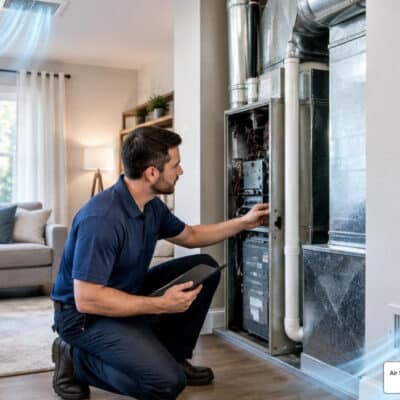
A complete electric furnace maintenance checklist starts with replacing or cleaning the air filter, clearing supply and return registers, and visually inspecting the cabinet and thermostat. Before heating season, homeowners should also schedule a deeper inspection of heating elements, contactors, sequencers, limit switches, and the blower assembly. On the Gulf Coast, heating systems in Palmetto, FL, Bradenton, FL, and Parrish, FL often sit completely dormant from March through October. During those warm, humid months, ambient moisture and indoor dust settle deep inside the cabinet, across the heating coils, and over the blower assembly.
When that first genuine cold front sweeps across Manatee County, FL, turning on an unserviced electric furnace can lead to unpleasant surprises. Dust that has accumulated on the resistance coils burns off, creating alarming odors throughout your living spaces. More importantly, continuous coastal humidity accelerates the oxidation of high-voltage electrical terminals, contactors, and relays. A system that ran smoothly last winter might suddenly struggle with loose electrical connections, faulty contact points, or reduced airflow across the coil bank.
Routine upkeep prevents winter short cycling, protects sensitive electronics from power surges, and ensures steady comfort during sudden temperature drops. Electric furnaces draw substantial amperage, and even minor component wear can lead to dramatic spikes in monthly utility bills or sudden system lockouts. Following preventive maintenance guidance before the temperature drops can reduce strain on your home’s electrical system and help keep winter operation efficient. For more complex diagnostics, scheduling thorough heating maintenance with a certified technician provides the deep diagnostic inspection your system needs to run safely all winter.
Essential Safety Protocols and Tools for Electric Furnace Upkeep
Working on an electric furnace requires strict adherence to safety protocols. Unlike gas units that rely on combustion venting and fuel lines, an electric furnace utilizes high-voltage circuits, often drawing 240 volts across multiple dedicated breakers. Mishandling these internal components presents serious electrical shock risks and potential fire hazards.
Before attempting any maintenance or inspection, gather the proper tools and implement clear safety procedures:
- Lockout and Tagout Procedures: Always shut off the primary circuit breakers supplying the furnace inside your main electrical panel. If your unit features a local service disconnect box on or near the air handler cabinet, pull the disconnect handle. Place a lockout tag on the breaker panel to ensure no one accidentally flips the power back on while you are inspecting the unit.
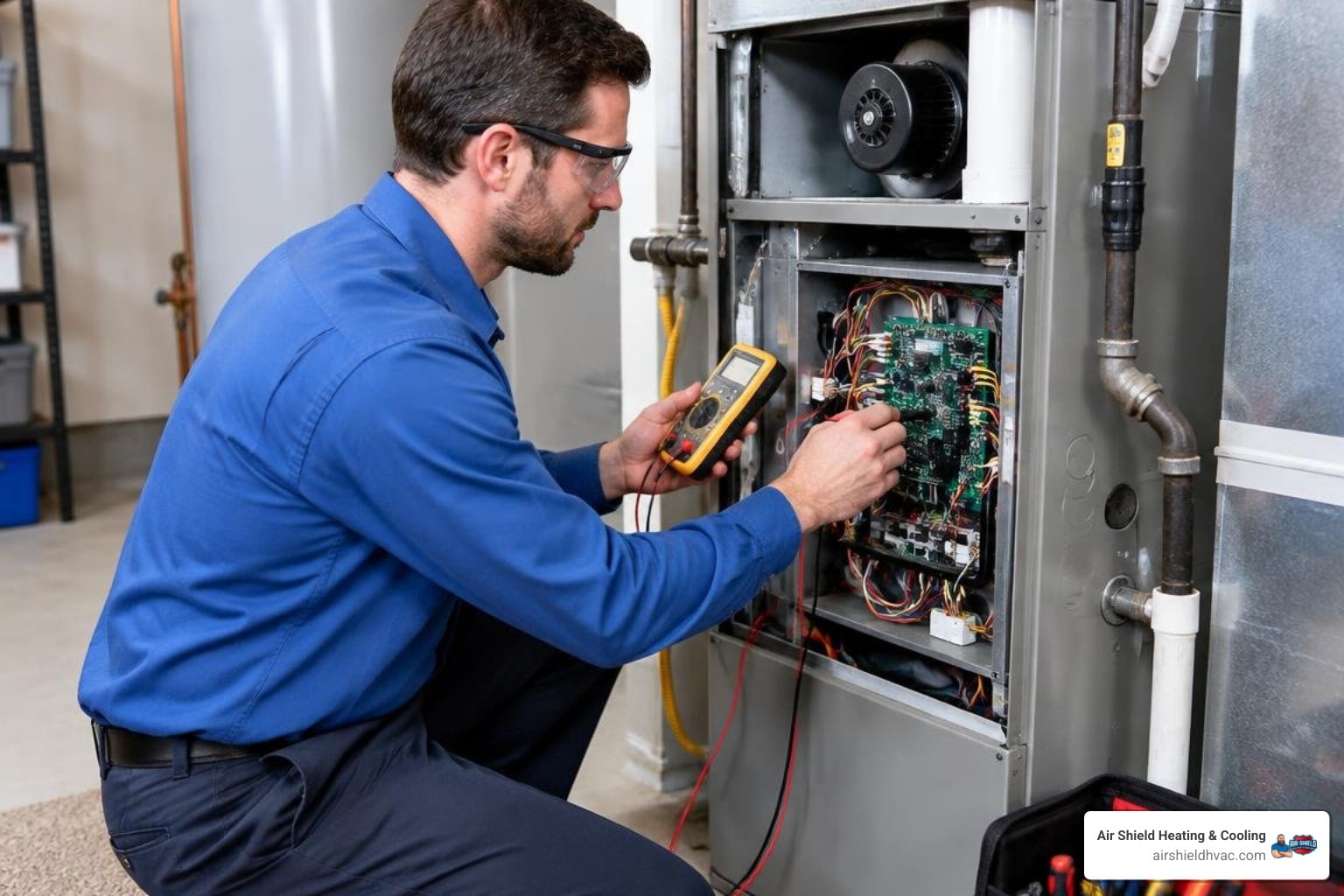
- Voltage Verification Tools: Never assume the power is disconnected simply because a switch was flipped. Use a reliable digital multimeter or a calibrated non-contact voltage tester to verify zero voltage at the incoming terminal blocks and individual heating element feeds before touching any wiring or interior components.
- Insulated Hand Tools: Utilize screwdrivers, pliers, and nut drivers rated for electrical safety, featuring insulated handles rated up to 1,000 volts to prevent accidental short circuits.
- Personal Protective Equipment (PPE): Wear safety glasses to shield your eyes from electrical flash or loose debris, insulated work gloves to protect your hands against sharp sheet metal edges, and a dust mask if the interior cabinet has accumulated substantial lint.
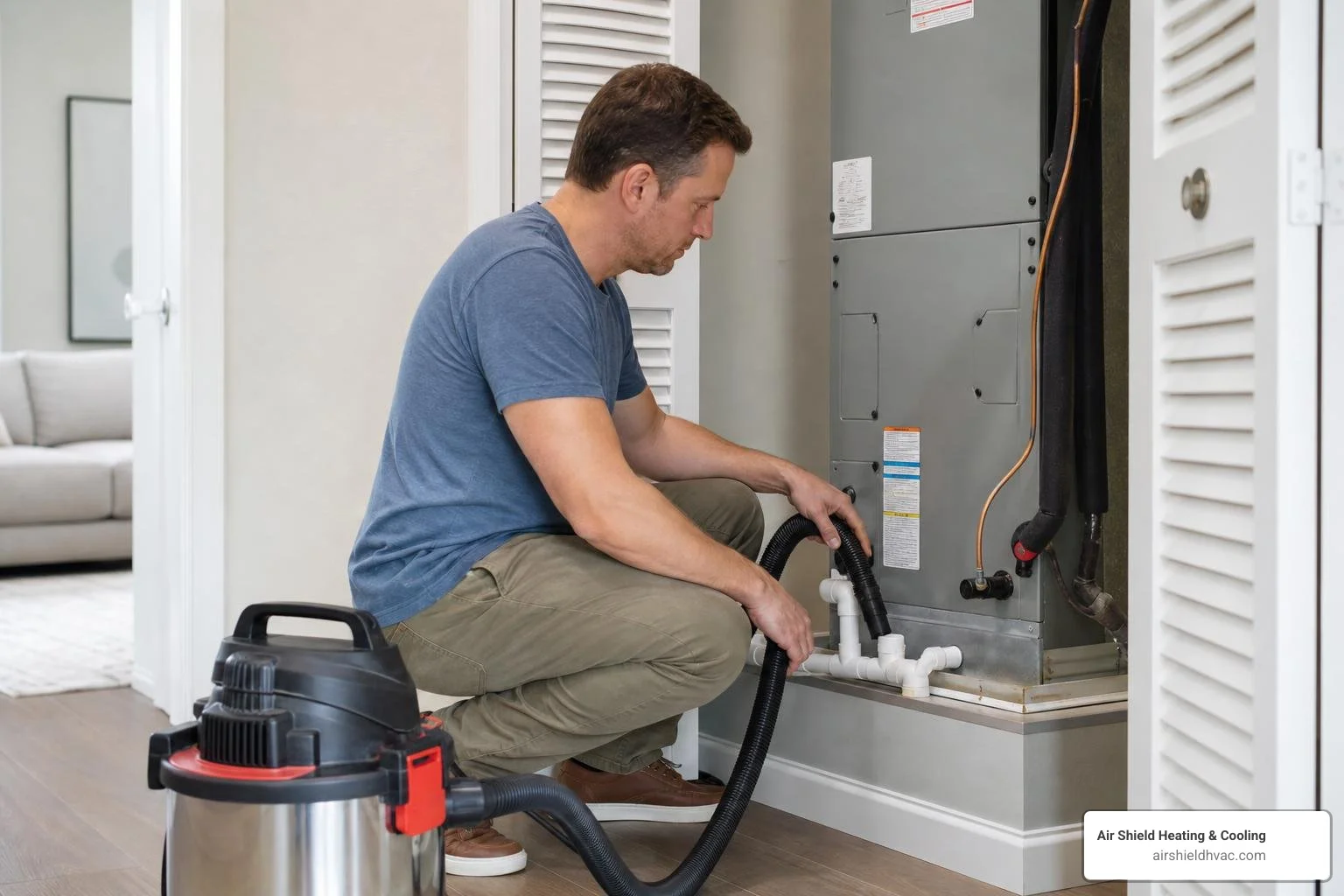
- Cleaning Supplies: Keep a shop vacuum with a soft brush attachment, lint-free microfiber cloths, and an approved electrical contact cleaner nearby for clearing debris from non-electrical surfaces.
Always remember that safety comes first. Homeowners should explicitly contact a professional if safety concerns arise, specialized tools are required, HVAC or electrical systems are involved, or you are unsure about performing any maintenance task correctly. If you ever encounter frayed wiring, scorch marks, or complex internal circuits that require live electrical diagnostics, stop immediately and contact a certified technician.
The Complete DIY Electric Furnace Maintenance Checklist
A structured approach to seasonal upkeep ensures no critical component gets overlooked. Electric heating systems rely on an interconnected sequence of airflow, control voltages, and resistive heating elements. Organizing your inspection by component keeps the process manageable, safe, and thorough.
Monthly Homeowner Electric Furnace Maintenance Checklist Tasks
As a homeowner, you can perform several high-impact tasks each month during the heating season to keep your system running smoothly. For complementary cooling-season routines, this DIY AC maintenance checklist for Florida homeowners explains practical tasks that support year-round HVAC care:
- Inspect and Replace Air Filters: Check the air filter every 30 days. In coastal Florida homes, indoor humidity can cause airborne dust to cling tightly to filter fibers, restricting airflow much faster than in dry climates. A clean filter also helps your AC system perform better when cooling season returns.
- Clear Supply and Return Air Registers: Ensure return air grilles and room supply vents across your home are unobstructed by rugs, drapes, or furniture. Proper air circulation prevents heat buildup inside the furnace cabinet and eliminates uneven room temperatures.
- Check Cabinet Clearances: Maintain at least three feet of open clearance around the indoor air handler or furnace cabinet. Remove stored boxes, paint cans, and cleaning chemicals from the utility closet or garage space to maintain proper ventilation and fire safety.
- Inspect the Cabinet Exterior: Look for signs of moisture, rust, physical cabinet damage, or loose access doors. A loose panel can allow conditioned air to escape into unconditioned spaces like attics or garages while drawing in unconditioned, humid outdoor air.
- Test Thermostat Responsiveness: Replace thermostat batteries annually. Switch the thermostat to heat mode, raise the target temperature two degrees above room temperature, and verify that the system responds promptly by engaging the blower and delivering warm air.
- Listen for Unusual Noises: During a heating cycle, note any rattling, buzzing, or grinding sounds that could indicate loose components, failing motor bearings, or electrical arcing within the blower assembly or heating elements.
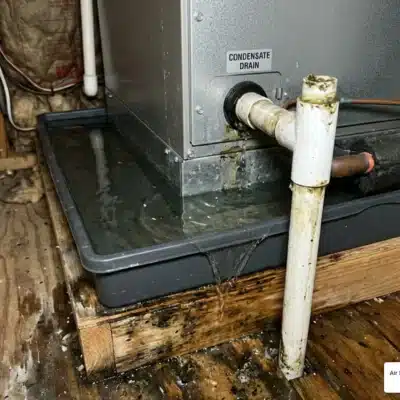
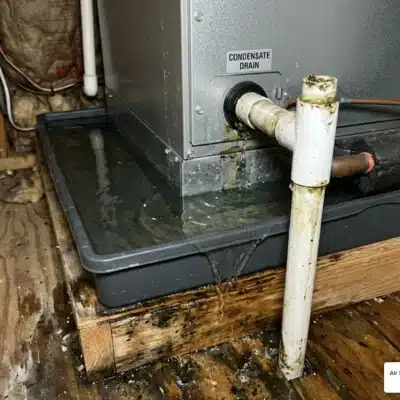
- Monitor Condensate Drain Lines: Electric furnaces with integrated cooling coils may produce condensate during humid weather. Check accessible drain lines and pans for algae buildup or standing water that could affect indoor air quality.
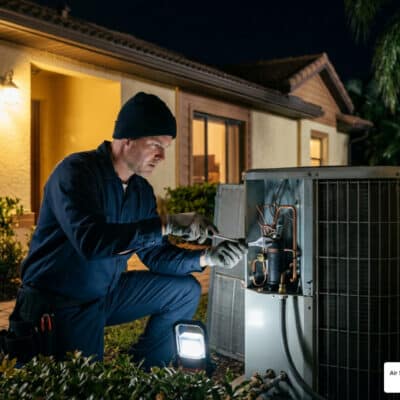
- Keep Outdoor Units Clear: If your home uses a heat pump paired with an electric backup air handler, clear leaves, grass clippings, and debris from around the outdoor cabinet to maintain unrestricted airflow during both heating and cooling modes.
Step-by-Step Electrical and Heating Element Maintenance Checklist
The heart of an electric furnace is its resistance heating assembly. When the thermostat calls for heat, sequencers and contactors route electricity to individual heating elements in stages, preventing massive electrical surges. Inspecting these components ensures each stage functions properly without overheating.
When inspecting the electrical compartment with the power completely disconnected, look closely for signs of thermal stress, contact degradation, and terminal looseness.
| Component / Metric | Normal Operating Condition | Degraded Condition Requiring Service |
|---|---|---|
| Heating Elements | Clean nickel-chromium coils, straight alignment, zero sagging, consistent resistance | Sagging coils, physical breaks, heavy pitting, open circuit (infinite resistance) |
| Contactor Contacts | Smooth metallic surfaces, minimal discoloration, free mechanical movement | Severe pitting, carbon buildup, welded contact points, visible arc burns |
| Terminal Connections | Tight screws torqued to manufacturer specification, bright copper or silver finish | Loose terminal lugs, oxidized wiring, melted insulation, heat discoloration |
| Sequencers & Relays | Smooth timed staging between heating banks, intact switch housings | Stuck closed contacts, failed internal heaters, immediate full-amp power surges |
| Thermal Limit Switches | Closed circuit under normal temps, opens smoothly at factory temperature limit | Nuisance tripping, physical scorching, failure to reset after cooling down |
Heating elements expand and contract as they heat and cool. Over time, this thermal cycling can cause terminal screws to loosen. During HVAC maintenance, a technician ensures all terminal connections match the manufacturer torque ratings. Loose connections dramatically increase electrical resistance, causing wires to overheat and potentially melt their protective insulation.
Before reassembling the cabinet, inspect the blower motor wiring harness and control board connections for signs of overheating. If you see discoloration or brittle insulation around any wire, contact a professional for electrical panel and HVAC service. These indicators often point to deeper circuit issues that require professional diagnosis.
Blower Assembly and Airflow Maintenance Routine
Restricted airflow is the leading cause of premature component failure in electric furnaces. Keeping up with AC filter changes in Florida homes can also help support cleaner airflow when cooling season returns. When air cannot move freely across the heating coils, the internal cabinet temperature spikes rapidly, forcing high-limit safety switches to trip and shut down the system.
- Blower Wheel Cleaning: Disconnect power and inspect the curved blades of the squirrel-cage blower wheel. Dust and pet dander accumulate on the concave side of the blades, reducing airflow output by up to 30 percent. Use a soft brush and vacuum to clear away all buildup.
- Motor Inspection: Listen for unusual grinding, squeaking, or rattling noises when the blower runs. Older motors with oil ports require a few drops of non-detergent motor oil annually, while modern sealed-bearing motors should be inspected for shaft play and physical resistance.
- Ductwork Integrity: Examine accessible duct connections near the unit in your attic, closet, or crawl space. Seal any visible gaps with professional mastic or foil-backed tape to prevent conditioned air loss.
- Vibration Dampening: Check that the motor mounts, housing brackets, and cabinet isolators are securely tightened to eliminate harmonic vibrations through your living areas.
- Blower Motor Capacitor Testing: A failing capacitor can cause the blower motor to start slowly or not at all. Technicians measure capacitor microfarad values and replace units that fall outside the manufacturer acceptable range. If you are unfamiliar with capacitor testing, leave this task to a qualified HVAC technician.
- Airflow Verification: After cleaning and reassembling the blower assembly, run the system briefly and feel for consistent air delivery from every register. Rooms with weak airflow may have duct restrictions or damper issues that require further investigation.
Professional Servicing vs. DIY: When to Call Certified Technicians
While basic visual inspections and filter replacements are great DIY tasks, deep electrical testing and mechanical calibration require specialized diagnostic equipment and advanced technical training.
A comprehensive professional heating checkup covers complex operational testing that goes far beyond visual checks. During a routine visit, technicians measure the exact operating amperage of each heating element stage using calibrated clamp meters, comparing those numbers directly against equipment nameplate specifications. Technicians evaluate total external static pressure in the ductwork, test the microfarad ratings of blower capacitors, and check the 24VAC transformer output under load.
Furthermore, high-voltage electric heating systems rely on intricate thermal limit switches and multi-stage sequencers that must open and close within precise timing windows. A sequencer that fails in the closed position keeps a heating bank energized continuously, wasting substantial electricity and creating a serious fire risk. A certified technician carries specialized instruments to test safety controls under active load, verify high-voltage safety margins, and ensure internal resistance readings meet factory tolerances.
If your system short cycles repeatedly, trips double-pole breakers, emits burning plastic odors, or fails to heat evenly throughout your home, it is time to schedule professional heating services. Certified HVAC professionals carry the specialized diagnostic instruments needed to isolate faulty sequencers, test safety limit controls, and prevent high-voltage hazards before they cause system breakdowns. Homeowners throughout Bradenton, FL and surrounding communities can depend on experienced technicians for a complete seasonal inspection.
Frequently Asked Questions
What should be included in an electric furnace maintenance checklist?
A complete checklist includes replacing the air filter, inspecting heating element coils for physical damage, checking electrical contactors for pitting, clearing dust from the blower wheel, verifying safety limit switch operation, testing thermostat calibration, and tightening high-voltage electrical terminals.
How often should I inspect or replace the heating elements in my electric furnace?
Heating elements should receive a thorough visual and electrical resistance inspection once a year before the start of the heating season. Individual elements do not require replacement on a fixed schedule; they are replaced when they show physical sagging, broken coils, or resistance readings that deviate from manufacturer specifications.
How do I safely shut down an electric furnace before performing maintenance?
Turn off the system at the thermostat, switch off the dedicated double-pole circuit breakers in your main electrical panel, and pull the handle on the local service disconnect box near the furnace. Always use a calibrated multimeter to verify zero voltage at the incoming power lugs before touching any internal components.
What are the most common signs of a failing contactor or relay in an electric furnace?
Common signs include audible chattering or buzzing noises when the system starts, visible black carbon buildup or pitting across the contact points, failure of the heating elements to disengage after the thermostat is satisfied, or intermittent heating cycles caused by poor electrical connectivity.
How does routine electric furnace maintenance reduce energy bills in Florida?
Clean blower wheels and clear air filters allow maximum airflow across the heating elements, transferring heat into your living spaces quickly and efficiently. Tight electrical connections and properly staged sequencers prevent unnecessary power surges and keep the system from running extended cycles.
Can neglecting electric furnace maintenance cause fire hazards?
Yes. Neglecting regular maintenance can lead to loose terminal connections, which generate intense resistance heat and melt wire insulation. Additionally, thick layers of dust and lint inside an uncleaned cabinet can ignite if they contact red-hot resistance coils during startup.
How often should air filters be changed on an electric furnace in Palmetto, FL?
Air filters should be checked every 30 days and replaced at least every 30 to 90 days. Homes with pets, higher occupancy, or elevated indoor humidity often require more frequent replacements to maintain unobstructed airflow across the heating coils.
What is the standard lifespan of a residential electric furnace with proper maintenance?
With consistent seasonal maintenance and timely component replacements, a residential electric furnace typically lasts between 15 and 20 years. Regular upkeep protects the blower motor from strain and prevents premature element burnouts.
When should I call a professional instead of performing DIY furnace maintenance?
Call a certified professional if you detect persistent burning odors, notice scorched wires or pitted contactors, experience recurring circuit breaker trips, observe uneven room temperatures, or feel uncomfortable working around high-voltage 240V electrical connections.
How do I properly test and calibrate my thermostat during a fall tune-up?
Set the thermostat to heat mode and adjust the setpoint a few degrees higher than the current room temperature. Check that the furnace turns on smoothly, confirm that warm air flows from the registers, and verify that the system shuts off once the setpoint is reached. Replace backup batteries and dust the internal temperature sensor gently.
Reliable Heating Care for Your Florida Home
Keeping your electric heating system in peak operating condition ensures your home stays warm and comfortable through every cold snap. Routine seasonal inspections protect your equipment, lower power consumption, and provide total peace of mind for you and your family. For dependable, thorough system tune-ups across Palmetto, FL, Lakewood Ranch, FL, and surrounding communities, contact our professional heating maintenance technicians at Air Shield Heating & Cooling to keep your HVAC system performing safely all winter long.